Generational Legacy: The Story of Seth and Enos
“And Seth lived an hundred and five years, and begat Enos:” — Genesis 5:6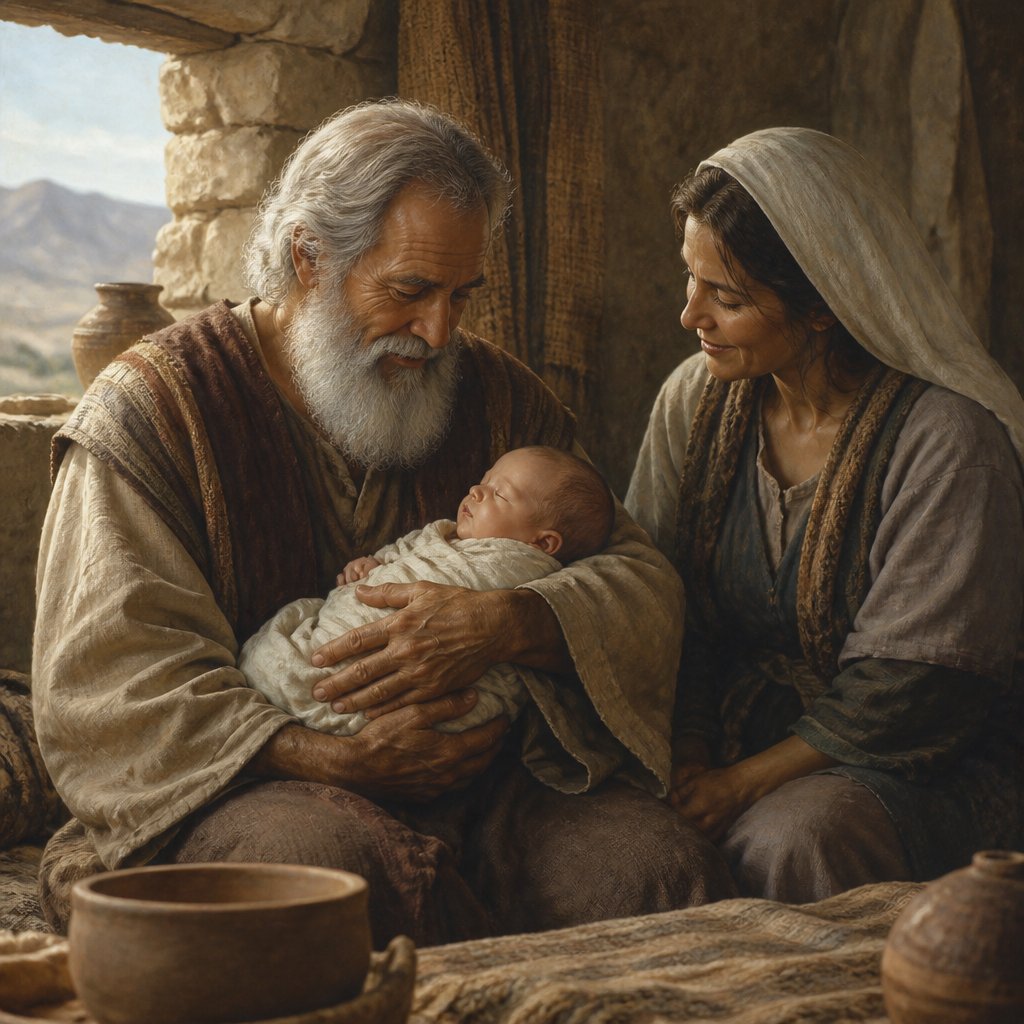
In Genesis 5:6, we read, "And Seth lived an hundred and five years, and begat Enos." At first glance, this verse may seem like a mere fact, a simple record in the genealogy of humankind. However, nestled within these words is a profound reflection on legacy, the importance of lineage, and the continuation of faith through generations.
Seth, the third son of Adam and Eve, was born after the tragic loss of Abel, who was murdered by Cain. This context casts a lengthy shadow on Seth’s life and his role in God’s plan. In a world marred by sin and separation from God, Seth emerges as a pivotal figure. His name means “appointed,” and it signifies both a restoration and a hope. When Eve gave birth to Seth, she proclaimed that God had appointed another seed for her, highlighting the divine recognition of the need for a righteous line.
Seth’s lineage is crucial; it is a direct line leading to Noah and, ultimately, to Jesus Christ. Therefore, as we examine this brief but impactful statement about Seth begetting Enos, we see more than a chronological account; we witness the unfolding of God’s redemptive purposes through family lines.
The name Enos, meaning “mortal man” or “weak,” signifies the human condition, a reminder of our frailty and the necessity for divine mercy. This genealogy of which Seth is the father ultimately leads to the realization of humanity's need for a savior—echoing through the centuries, culminating in the birth of Christ, who is the ultimate fulfillment of every promise God made.
As we reflect on the life of Seth and the birth of Enos, we are directed to consider the legacies we are creating in our own lives. Each of us stands as a link in the generational chain, shaping not only the spiritual environment for those who follow us but also influencing their understanding of God’s character. Are we living lives worthy of imitation? Are we intentionally demonstrating faith, trust, and love in our homes?
It may feel overwhelming when considering the enormity of this responsibility. Yet, it’s vital to remember that God operates within the framework of our limitations. Seth lived 105 years, and his life was marked by direct relationships with God. He walked in the footsteps of his father Adam and learned the value of worshiping the Creator. In doing so, he became a pace-setter for future generations. Imagine the conversations that took place in Seth's household—the lessons learned, the stories shared, and the prayers offered for Enos.
Moreover, the significance of Enos’s birth should not be overlooked; it birthed a new generation that acknowledged God's presence. Genesis 4:26 states, "Then began men to call upon the name of the LORD." This pivotal moment marks a revival of awareness of God amongst humanity. Seth’s faith was transferred to Enos, who grew up in a household where calling upon God was a normal practice. Thus, we see that Seth's legacy wasn't just about physical offspring; it was about spiritual inheritance.
In our busy lives, we often forget the enduring impact we can make through daily actions. In every teaching moment, every prayer whispered, and every act of kindness, we sow seeds into the hearts of the generations to come. Children, grandchildren, and even those whom we mentor in faith are all influenced by how we choose to live out our beliefs.
As we internalize the message from Genesis 5:6, may we strive to build legacies that reflect God's goodness, ensuring that our families and communities recognize and call upon the Lord. May our lives, like Seth's, lead to the birth of Enos-like faith—a faith that acknowledges our weakness and embraces the strength of our Creator.
In closing, let us ask ourselves: What legacy are we building? How can we better nurture the spiritual growth of those who will follow us? With intentionality, let us be conduits of God’s grace so that generations flourish in the knowledge of God.
Get our apps


Artwork for Genesis 5:6

Genesis 5:6 - "And Seth lived an hundred and five years, and begat Enos:"
"And Seth lived an hundred and five years, and begat Enos:" - Genesis 5:6

Genesis 6:5 - "¶ And GOD saw that the wickedness of man was great in the earth, and that every imagination of the thoughts of his heart was only evil continually."
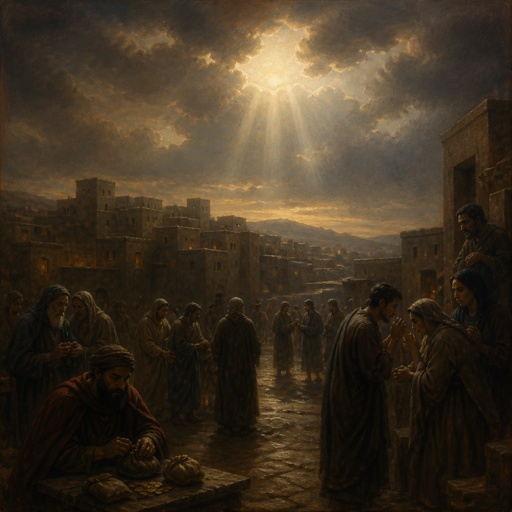
"¶ And GOD saw that the wickedness of man was great in the earth, and that every imagination of the thoughts of his heart was only evil continually." - Genesis 6:5

Genesis 1:6-8

Genesis 1:6-8

Genesis 24:5

Genesis 27:5

Genesis 17:5

Genesis 20-5

Genesis 11:5

Genesis 22-5

Genesis 1:5

Genesis 11:5

Genesis 11:5

Genesis 23-5

Genesis 25:5

Genesis 29-6

Genesis 18-6

Genesis 19-6

Genesis 17:6

Genesis 23-6

Genesis 18-6

Genesis 21-5

Genesis 16:5

Genesis 11:5

Genesis 1:5

Genesis 19-5

Genesis 29-5

Genesis 1:5