The Divine Design of Creation
“They, and every beast after his kind, and all the cattle after their kind, and every creeping thing that creepeth upon the earth after his kind, and every fowl after his kind, every bird of every sort.” — Genesis 7:14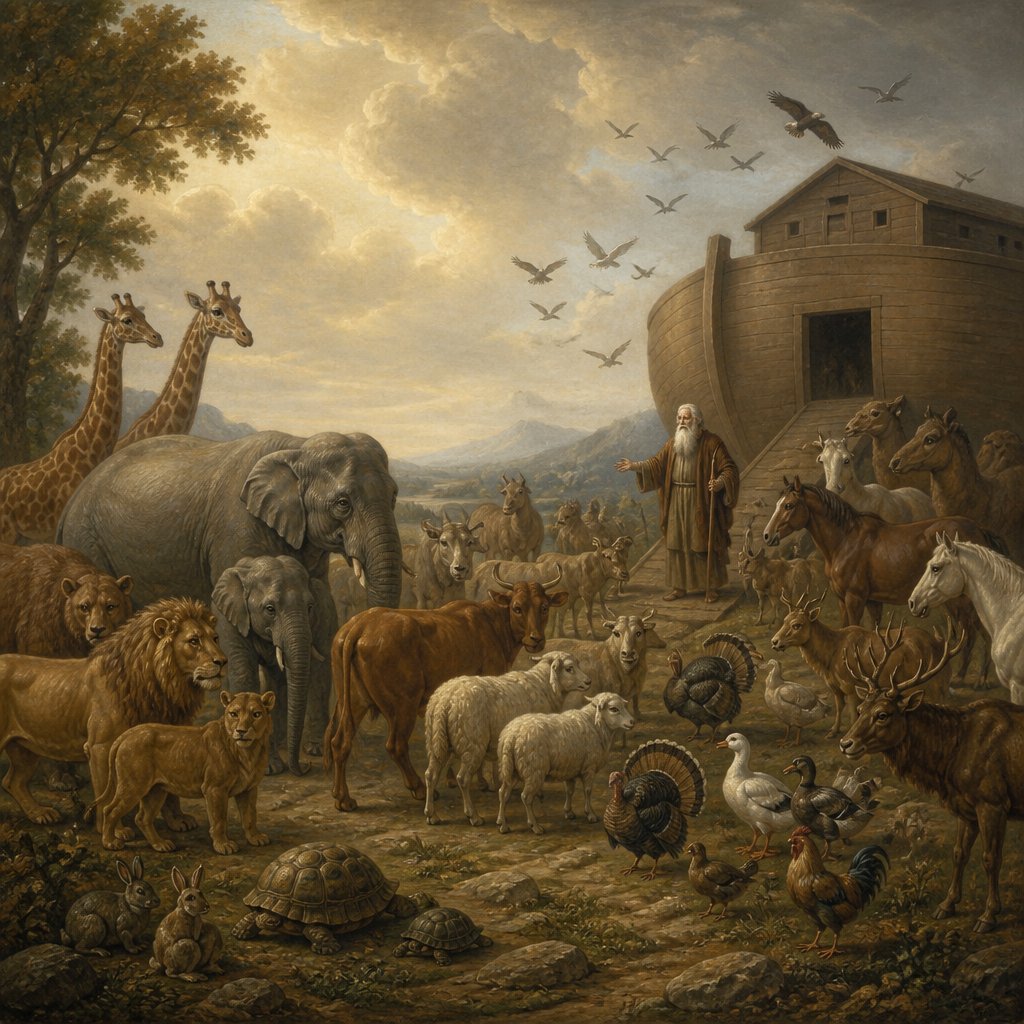
As I reflect on Genesis 7:14, where it states, "They, and every beast after his kind, and all the cattle after their kind, and every creeping thing that creepeth upon the earth after his kind, and every fowl after his kind, every bird of every sort," I am drawn to the incredible plan that God had in place from the beginning of creation. This verse from the King James Version speaks volumes not only about the diversity of life but also about the intentionality behind God's creation.
In this moment amidst the flood's impending arrival, the Lord's command to Noah carries significant weight. He is gathering the animals, every creature uniquely designed and ordered, to preserve life in the midst of chaos. What’s striking is the phrase "after his kind." This reiterates the divine blueprint that God established — each creature is distinct in its purpose and function within the ecosystem. It is a reminder that from the tiniest insect to the majestic elephant, God's craftsmanship is evident.
The world today often grapples with the concept of evolution and the origins of life. Yet, Genesis offers an account filled with purpose. The phrase "after his kind" suggests that God created each species with intrinsic value and unique characteristics. This can lead us to a profound understanding of our own lives; like the animals gathered on the ark, we too are designed with specific qualities and purposes that contribute to the entirety of God's work.
This passage invites us to consider our relationship with God's creation. Each day, we are surrounded by diverse forms of life that can sometimes be taken for granted. From the birds chirping outside our windows to the squirrels scurrying across our lawns, each creature plays a role in the intricate tapestry of life that God has woven. Jesus, in Matthew 10:29, reminds us that "Are not two sparrows sold for a farthing? And one of them shall not fall on the ground without your Father." Such awareness should lead us to a deeper appreciation and stewardship of the natural world around us.
Furthermore, Genesis 7:14 aligns beautifully with the overarching theme of salvation found throughout Scripture. Just as Noah was called to save the animals, God offers salvation to us through His Son, Jesus Christ. In the ark, we see a foreshadowing of the salvation offered to humanity — a rescue plan that reflects God’s desire to save and redeem. Each creature entering that ark symbolizes life preserved for a future that God has meticulously planned. We are also invited into that plan.
As we meditate on this verse, let us not overlook the inclusiveness of God’s creation. He did not choose just a few kinds of animals but every beast, fowl, and creeping thing. How humbling it is to know that the Creator of the universe values all forms of life and desires for them to thrive. This should inspire us to welcome diversity in our own lives and communities, reflecting God's heart that encompasses all creation, showing kindness and compassion towards every living being.
Finally, Genesis 7:14 serves as a reminder that God is sovereign and in control of all aspects of creation. No flood, no matter how devastating, can thwart His plans. As we traverse through storms in our own lives, we can rest assured that God’s design is perfect and purposeful. He sees us, knows our kind, and holds our future in His hands.
May we, therefore, commit to honoring God’s creation, appreciating His unique designs, and living out His purposes for our lives, just as every animal was created to do. Amen.
Get our apps


Artwork for Genesis 7:14

Genesis 7:14 - "They, and every beast after his kind, and all the cattle after their kind, and every creeping thing that creepeth upon the earth after his kind, and every fowl after his kind, every bird of every sort."
"They, and every beast after his kind, and all the cattle after their kind, and every creeping thing that creepeth upon the earth after his kind, and every fowl after his kind, every bird of every sort." - Genesis 7:14

Genesis 14:7 - "And they returned, and came to En-mishpat, which is Kadesh, and smote all the country of the Amalekites, and also the Amorites, that dwelt in Hazezon-tamar."

Genesis 14:7 And they returned, and came to En–mishpat, which is Kadesh, and smote all the country of the Amalekites, and also the Amorites, that dwelt in Hazezon–tamar.

Genesis 22 14

Genesis 19-14

Genesis 21:14

Genesis 15:14

Genesis 22-14

Genesis 25-14

Genesis 23-14

Genesis 24-14

Genesis 17-14

Genesis 16:14

Genesis 20-14

Genesis 28-14

Genesis 18-14

Genesis 25:14 - "And Mishma, and Dumah, and Massa,"
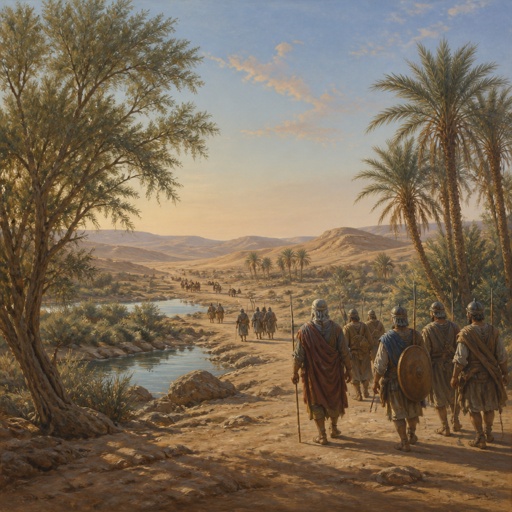
"And they returned, and came to En-mishpat, which is Kadesh, and smote all the country of the Amalekites, and also the Amorites, that dwelt in Hazezon-tamar." - Genesis 14:7

Genesis 18:9-14

Genesis 1:10-14

Genesis 18:1-14

Genesis 14:1-2

Genesis 18:11-14

Genesis 22:1-14

Genesis 24-7

Genesis 25-7

Genesis 20-7

Genesis 22-7

Genesis 23-7