The Weight of a Curse: Lessons from Genesis 9:25
“And he said, Cursed be Canaan; a servant of servants shall he be unto his brethren.” — Genesis 9:25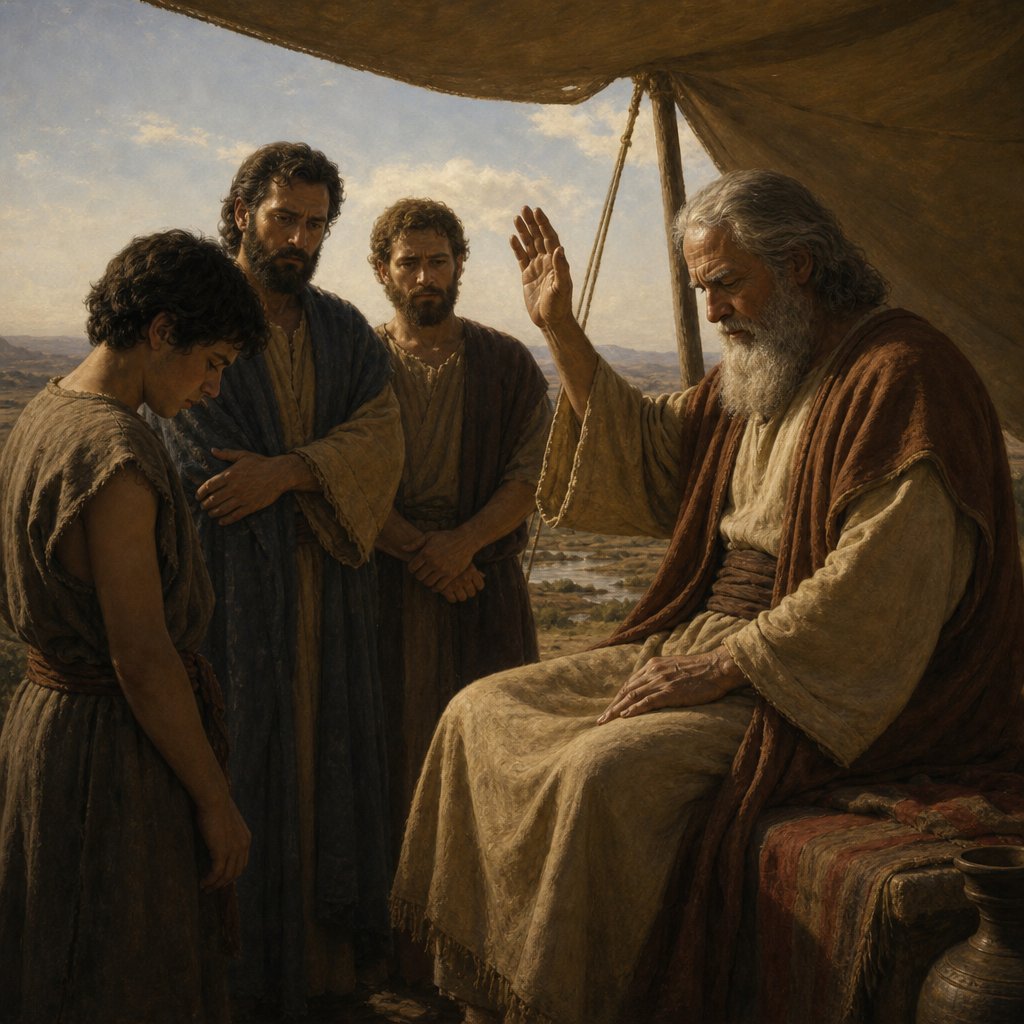
In the narrative of Genesis 9:25, we encounter a solemn proclamation made by Noah: "And he said, Cursed be Canaan; a servant of servants shall he be unto his brethren." This verse comes after a profound moment in the life of Noah, a man who, having weathered the flood and witnessed the promises of God, finds himself faced with a family crisis that brings about a weighty generational curse.
To fully comprehend the implications of this curse, we must delve deeper into the context. After the flood, Noah planted a vineyard and became intoxicated from its fruit. In a state of drunkenness, he lay uncovered within his tent. Ham, one of Noah's sons, saw his father’s nakedness and told his two brothers, Shem and Japheth, who then took a garment and covered their father. Upon awakening, Noah learned of Ham's actions and pronounced his curse upon Ham's son, Canaan. This act of cursing carries a profound weight that reaches into the future, impacting not just Canaan but also the dynamics of family, legacy, and relationships.
The curse placed upon Canaan serves as a powerful reminder of the consequences of sin and the serious nature of familial relationships. When Ham looked upon his father in shame, he did not attempt to cover Noah’s nakedness, but rather exposed it to his brothers. This lack of respect and honor toward his father led to a drastic consequence for his lineage. From this, we can derive a vital lesson about the importance of honoring our parents and the legacy of dignity and respect that we are called to uphold. It powerfully underscores the biblical principle that our actions can have generational consequences.
Consider how we, too, might inadvertently bring about curses upon ourselves or our children through our actions or attitudes. The choices we make in our families often reverberate far beyond the immediate moment. We must ask ourselves—do we honor our family members with our words and actions? How do we respond to weaknesses or failures within our own families? Are we quick to expose faults or are we willing to cloak them with grace, as Shem and Japheth did for their father? Our responses shape not only our immediate relationships but set a precedent for how our descendants will navigate their lives.
Noah’s curse is not merely about Canaan becoming a servant; it reflects the broken state of human relationships and the ripple effects of sin. It evokes questions about identity and role within the family structure. The statement "a servant of servants shall he be unto his brethren" speaks volumes, illustrating a hierarchy that arose from transgression and shame. In a world that often glorifies power and independence, this verse reframes our understanding of true greatness—serving others is the path toward unity and redemption.
In our own walk of faith, we must remember that while curses may arise from the decisions of our predecessors, the gospel teaches us about the possibility of breaking cycles through Christ. Just as the chains of sin can bind generations, the grace of God can liberate them. "For as by one man’s disobedience many were made sinners, so by the obedience of one shall many be made righteous" (Romans 5:19). In Christ, we find the ability to respond differently, rewrite our narratives, and transcend the cycles of sin that have plagued our families.
As we reflect on Genesis 9:25, let us carry forward the weight of responsibility that comes with our family ties. May we seek to act not in ways that bring curses upon ourselves and our descendants, but rather cultivate a legacy where love, honor, and grace abound. Let us challenge any negative generational patterns in our lives, and actively work towards a future marked by the blessings of obedience and loving relationships.
Get our apps


Artwork for Genesis 9:25

Genesis 9:25 - "And he said, Cursed be Canaan; a servant of servants shall he be unto his brethren."
"And he said, Cursed be Canaan; a servant of servants shall he be unto his brethren." - Genesis 9:25

Genesis 25-9

Genesis 9:24-25

Genesis 25:9 - "And his sons Isaac and Ishmael buried him in the cave of Machpelah, in the field of Ephron the son of Zohar the Hittite, which is before Mamre;"

Genesis 25:25

Genesis 1:1-25

Genesis 1:1-25

Genesis 1:1-25

Genesis 25-2

Genesis 25-18

Genesis 25-24

Genesis 25-7

Genesis 25-23

Genesis 25-14

Genesis 26:25

Genesis 50:25

Genesis 25:1

Genesis 21:25

Genesis 25-15

Genesis 25-26

Genesis 25-13

Genesis 50:25

Genesis 25-32

Genesis 25-6

Genesis 18-25

Genesis 25-16

Genesis 2:25

Genesis 18:25

Genesis 25-8