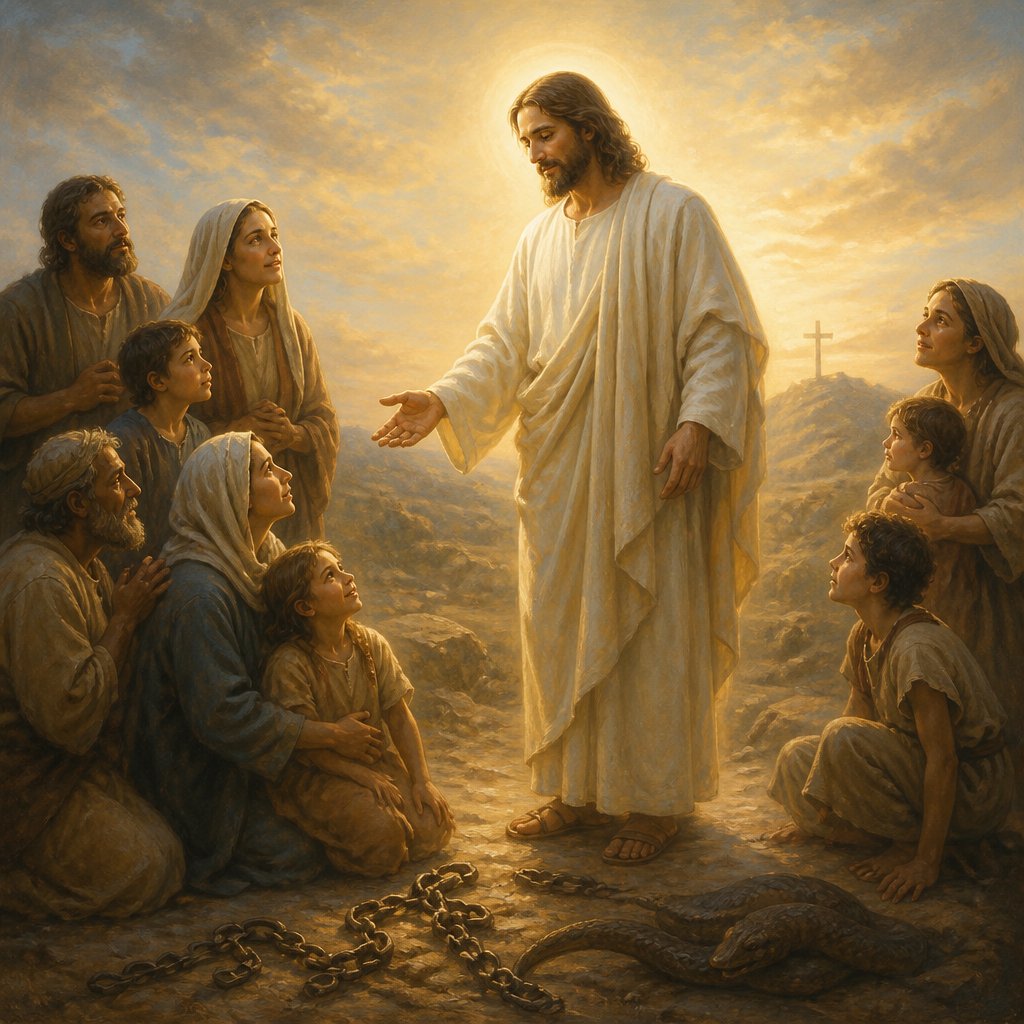
Hebrews 2:9-15 (KJV) profoundly captures the essence of Christ's humble yet majestic journey: "But we see Jesus, who was made a little lower than the angels for the suffering of death, crowned with glory and honour; that he by the grace of God should taste death for every man." What a remarkable statement! In just a few verses, the author of Hebrews lays bare the mystery of Christ's incarnation and His sovereign purpose in His suffering and death.
To understand the depth of this passage, we must first behold the striking humility of Jesus. The verse reminds us that although He is the Son of God, He was made a little lower than the angels. This statement places the Creator among His own creation, illustrating the profound lengths to which He was willing to go for our salvation. He did not remain distant or aloof; rather, He chose to enter into the human experience—embracing our frailties and suffering for us. The incarnation is the divine declaration of His profound love, mercy, and solidarity with humanity. Through this, we also glimpse the purpose behind His suffering and the weight of glory that would follow.
"Crowned with glory and honour"—this part of the verse transitions us into a celebration of Jesus' rightful place as the King of Kings. His suffering was not in vain; it served a greater purpose. He was destined to be crowned, to fulfill God's plan in bringing many sons unto glory. The suffering of Christ was necessary for His perfection as the Captain of our salvation. This speaks to an essential truth: it was through His obedience, even unto death, that Jesus was made perfect—not in His divine nature, but in His role as the Savior of mankind.
This leads us to a powerful statement: "For both he that sanctifieth and they who are sanctified are all of one: for which cause he is not ashamed to call them brethren." This is an intimate declaration of our relationship with Christ. Despite our imperfections and shortcomings, He identifies with us so completely that He can call us His siblings. This intimacy speaks volumes about His grace and the union we have in Him—marked not by judgment, but by love and shared identity. Imagine the King of the Universe choosing to be identified with you, calling you brother or sister! This profound truth reassures us of His acceptance and deep commitment to our salvation.
Moving forward, the passage continues with the declaration: "I will declare thy name unto my brethren, in the midst of the church will I sing praise unto thee." Here, we see Jesus actively sharing God’s glory among His people, affirming the vital role of worship within the community of believers. Worship is not merely a duty; it is a response to the goodness of God and an essential element in solidifying our connection to Him and to one another. When we come together to praise, we join with Christ in the proclamation of God’s name, fostering unity and strength among us as His body.
In verses 14 and 15, we encounter the crux of Christ’s mission: "Forasmuch then as the children are partakers of flesh and blood, he also himself likewise took part of the same; that through death he might destroy him that had the power of death, that is, the devil…" We find the assurance that through His death, He has triumphed over the very source of our fears—the devil. Jesus did not come to simply offer a better life; He came to obliterate the bondage of sin and death. This victory enables us to live without the fear that once held humanity captive, unlocking the freedom that only He can provide.
As you meditate on these verses today, allow the truth of Christ's suffering, His relationship with you, and His victory over death to penetrate your heart. Reflect on the great love that took Him to the cross, and let that love ignite a passion in you to cultivate a deeper relationship with Him and to proclaim His name amongst your brethren.
Get our apps


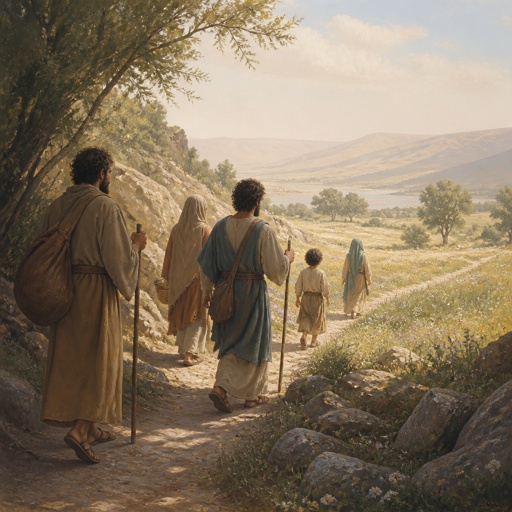
Artwork for Hebrews 2:9-15
Hebrews 2:9-15 - "But we see Jesus, who was made a little lower than the angels for the suffering of death, crowned with glory and honour; that he by the grace of God should taste death for every man. For it became him, for whom are all things, and by whom are all things, in bringing many sons unto glory, to make the captain of their salvation perfect through sufferings. For both he that sanctifieth and they who are sanctified are all of one: for which cause he is not ashamed to call them brethren, Saying, I will declare thy name unto my brethren, in the midst of the church will I sing praise unto thee. And again, I will put my trust in him. And again, Behold I and the children which God hath given me. Forasmuch then as the children are partakers of flesh and blood, he also himself likewise took part of the same; that through death he might destroy him that had the power of death, that is, the devil; And deliver them who through fear of death were all their lifetime subject to bondage."
"But we see Jesus, who was made a little lower than the angels for the suffering of death, crowned with glory and honour; that he by the grace of God should taste death for every man. For it became him, for whom are all things, and by whom are all things, in bringing many sons unto glory, to make the captain of their salvation perfect through sufferings. For both he that sanctifieth and they who are sanctified are all of one: for which cause he is not ashamed to call them brethren, Saying, I will declare thy name unto my brethren, in the midst of the church will I sing praise unto thee. And again, I will put my trust in him. And again, Behold I and the children which God hath given me. Forasmuch then as the children are partakers of flesh and blood, he also himself likewise took part of the same; that through death he might destroy him that had the power of death, that is, the devil; And deliver them who through fear of death were all their lifetime subject to bondage." - Hebrews 2:9-15

Hebrews 2:15 - "And deliver them who through fear of death were all their lifetime subject to bondage."

Hebrews 9:2 - "For there was a tabernacle made; the first, wherein was the candlestick, and the table, and the shewbread; which is called the sanctuary."
Hebrews 9:15 - "And for this cause he is the mediator of the new testament, that by means of death, for the redemption of the transgressions that were under the first testament, they which are called might receive the promise of eternal inheritance."

Hebrews 2:9 - "But we see Jesus, who was made a little lower than the angels for the suffering of death, crowned with glory and honour; that he by the grace of God should taste death for every man."
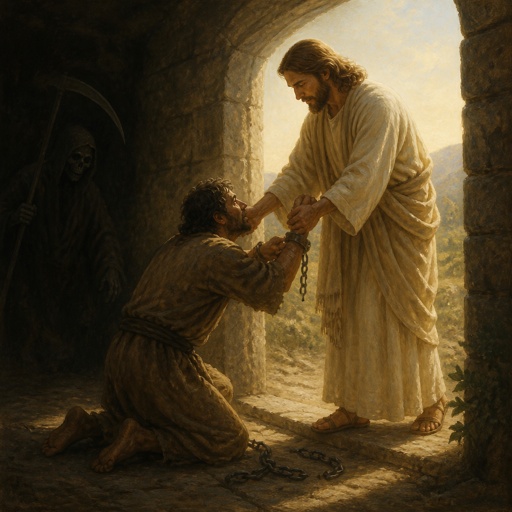
"And deliver them who through fear of death were all their lifetime subject to bondage." - Hebrews 2:15

2 Corinthians 9:15 - "Thanks be unto God for his unspeakable gift."
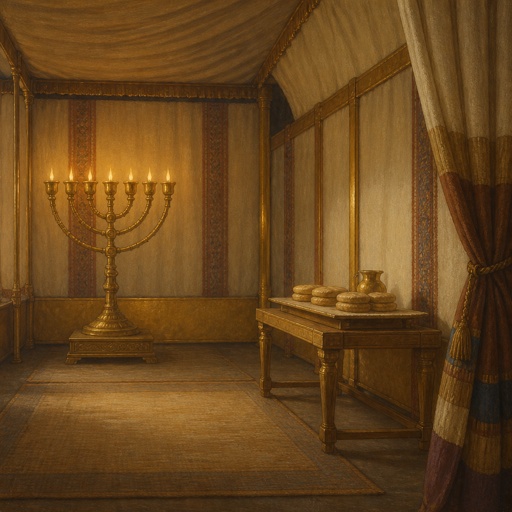
"For there was a tabernacle made; the first, wherein was the candlestick, and the table, and the shewbread; which is called the sanctuary." - Hebrews 9:2

Hebrews 4:9 - "There remaineth therefore a rest to the people of God."

2 Samuel 15:9 - "And the king said unto him, Go in peace. So he arose, and went to Hebron."

Hebrews 9:16 - "For where a testament is, there must also of necessity be the death of the testator."

Hebrews 9:18 - "Whereupon neither the first testament was dedicated without blood."

Hebrews 9:27 - "And as it is appointed unto men once to die, but after this the judgment:"

Hebrews 6:15 - "And so, after he had patiently endured, he obtained the promise."
Hebrews 10:15 - "Whereof the Holy Ghost also is a witness to us: for after that he had said before,"

Hebrews 9:3 - "And after the second veil, the tabernacle which is called the Holiest of all;"

Hebrews 7:15 - "And it is yet far more evident: for that after the similitude of Melchisedec there ariseth another priest,"

Hebrews 9:9 - "Which was a figure for the time then present, in which were offered both gifts and sacrifices, that could not make him that did the service perfect, as pertaining to the conscience;"

Hebrews 9:13 - "For if the blood of bulls and of goats, and the ashes of an heifer sprinkling the unclean, sanctifieth to the purifying of the flesh:"

Hebrews 9:20 - "Saying, This is the blood of the testament which God hath enjoined unto you."

Hebrews 9:21 - "Moreover he sprinkled with blood both the tabernacle, and all the vessels of the ministry."

Hebrews 3:15 - "While it is said, To day if ye will hear his voice, harden not your hearts, as in the provocation."

Hebrews 9:17 - "For a testament is of force after men are dead: otherwise it is of no strength at all while the testator liveth."

Hebrews 9:1 - "Then verily the first covenant had also ordinances of divine service, and a worldly sanctuary."

Hebrews 9:22 - "And almost all things are by the law purged with blood; and without shedding of blood is no remission."
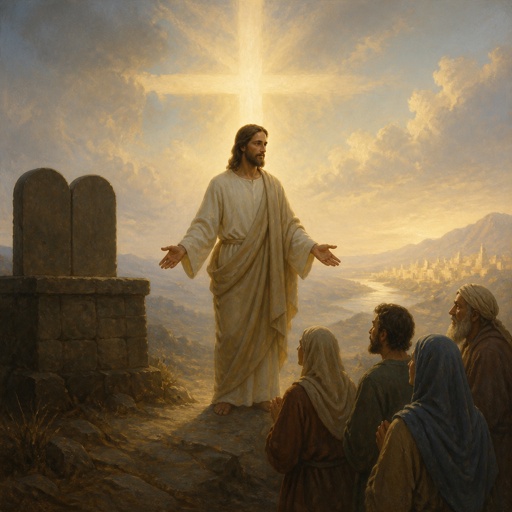
"And for this cause he is the mediator of the new testament, that by means of death, for the redemption of the transgressions that were under the first testament, they which are called might receive the promise of eternal inheritance." - Hebrews 9:15

Hebrews 3:9 - "When your fathers tempted me, proved me, and saw my works forty years."

Hebrews 9:5 - "And over it the cherubims of glory shadowing the mercyseat; of which we cannot now speak particularly."
"There remaineth therefore a rest to the people of God." - Hebrews 4:9