The Eternal Priesthood: Embracing the Melchizedekian Mystery
“Without father, without mother, without descent, having neither beginning of days, nor end of life; but made like unto the Son of God; abideth a priest continually.” — Hebrews 7:3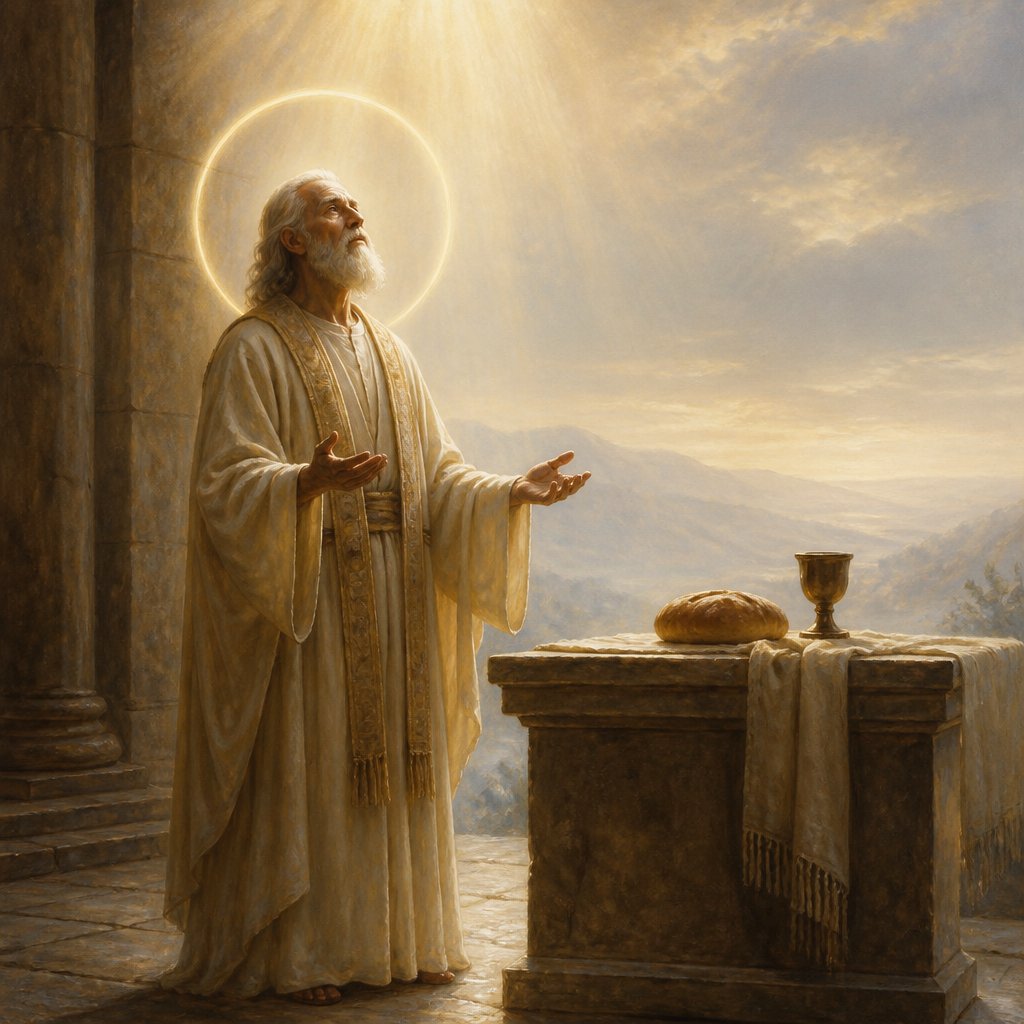
In the book of Hebrews, we find one of the most fascinating and profound portraits of Christ as depicted through the figure of Melchizedek. The author writes in Hebrews 7:3, "Without father, without mother, without descent, having neither beginning of days, nor end of life; but made like unto the Son of God; abideth a priest continually." This verse serves as a key that unlocks our understanding of not only Melchizedek’s role but also the greater priesthood of Jesus Christ in our lives.
To understand this verse and its implications, we must first delve into the enigmatic character of Melchizedek. He appears in the scriptures as a figure shrouded in mystery, with very little background given. He is introduced in Genesis 14:18 as the King of Salem and a priest of the Most High God. Melchizedek blesses Abram after his victory over the kings and receives tithes from him. It is remarkable that the Bible does not provide any information about his parentage or genealogy. By stating that he is “without father, without mother, without descent,” the author emphasizes not only Melchizedek's unique priesthood but also the eternal nature of his priestly work.
The phrase “having neither beginning of days, nor end of life” reinforces the idea of an everlasting priesthood. Unlike the Levitical priests, who had a limited time in their service and a definite lineage, Melchizedek’s priesthood is not confined by birth or death. This establishes a foreshadowing of Christ, our ultimate High Priest, who, without a beginning and without an end, reigns eternally. He is not bound by human constraints; His priesthood transcends time.
When we consider Jesus Christ as being “made like unto the Son of God,” we see that both Melchizedek and Christ embody a God-given authority that stands independent of lineage, history, or mortality. In this, we find a comforting truth: that our access to God is not determined by our earthly lineage or personal histories but through our connection to Christ Jesus, the eternal High Priest.
As we contemplate the nature of Christ’s priesthood through the lens of Melchizedek, we are reminded of our own identity in Him. The beauty of our relationship with Christ is highlighted in Hebrews 4:16: "Let us therefore come boldly unto the throne of grace, that we may obtain mercy, and find grace to help in time of need." We are invited to approach God with confidence, not hindered by the failures of our past or the mistakes of our ancestors. Christ Himself, as our eternal priest, intercedes on our behalf, demonstrating a love beyond human understanding and boundaries.
This truth brings forth a powerful dual encouragement: first, to trust in the unchanging nature of Christ’s everlasting priesthood, and second, to embrace our calling as a royal priesthood (1 Peter 2:9). Just as Melchizedek blessed Abram, we too are called to extend blessings into the lives of others, sharing the love and truth of the Gospel.
Moreover, the assurance that Christ abideth a priest continually positions us to find hope even in our darkest moments. Life may present us with trials, heartbreaks, and losses, but we serve a God who transcends these temporal struggles. He exists outside of time, interceding for us in ways we cannot fathom.
As we reflect on this divine reflection of Melchizedek's priesthood and its fulfillment in Jesus, let us allow this eternal truth to permeate our daily lives. May we draw close to this high calling, rooted in our identity as children of the Living God. In every situation, remember to seek the unending grace from our eternal High Priest, resting in the knowledge that He is the same yesterday, today, and forever (Hebrews 13:8). Let us be bold in our faith, assured of the mercies that flow from His eternal priesthood, and share that hope with all we encounter.
Get our apps


Artwork for Hebrews 7:3
Hebrews 7:3 - "Without father, without mother, without descent, having neither beginning of days, nor end of life; but made like unto the Son of God; abideth a priest continually."
"Without father, without mother, without descent, having neither beginning of days, nor end of life; but made like unto the Son of God; abideth a priest continually." - Hebrews 7:3
Hebrews 3:7 - "Wherefore (as the Holy Ghost saith, To day if ye will hear his voice,"
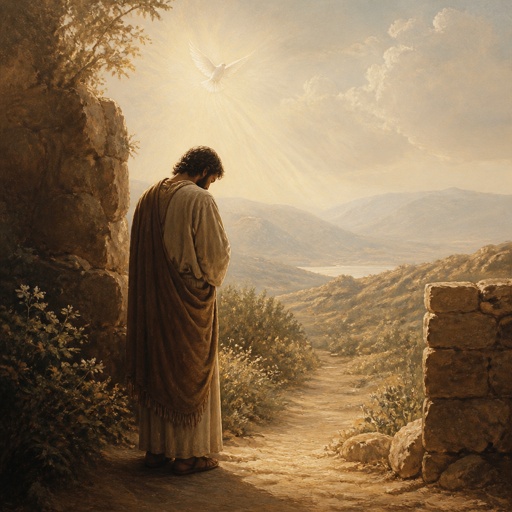
"Wherefore (as the Holy Ghost saith, To day if ye will hear his voice," - Hebrews 3:7

Hebrews 7:7 - "And without all contradiction the less is blessed of the better."

Hebrews 13:3

Hebrews 6:3 - "And this will we do, if God permit."

Hebrews 7:20 - "And inasmuch as not without an oath he was made priest:"

"And without all contradiction the less is blessed of the better." - Hebrews 7:7

Hebrews 7:12 - "For the priesthood being changed, there is made of necessity a change also of the law."

Hebrews 7:24 - "But this man, because he continueth ever, hath an unchangeable priesthood."

Hebrews 7:22 - "By so much was Jesus made a surety of a better testament."

Hebrews 3:8 - "Harden not your hearts, as in the provocation, in the day of temptation in the wilderness:"

Hebrews 3:19 - "So we see that they could not enter in because of unbelief."

Hebrews 7:17 - "For he testifieth, Thou art a priest for ever after the order of Melchisedec."

Hebrews 7:10 - "For he was yet in the loins of his father, when Melchisedec met him."

Hebrews 7:18 - "For there is verily a disannulling of the commandment going before for the weakness and unprofitableness thereof."

Hebrews 7:16 - "Who is made, not after the law of a carnal commandment, but after the power of an endless life."

Hebrews 3:18 - "And to whom sware he that they should not enter into his rest, but to them that believed not?"

Hebrews 3:11 - "So I sware in my wrath, They shall not enter into my rest.)"

"And this will we do, if God permit." - Hebrews 6:3

Hebrews 10:3 - "But in those sacrifices there is a remembrance again made of sins every year."

Hebrews 9:3 - "And after the second veil, the tabernacle which is called the Holiest of all;"

Hebrews 8:7 - "For if that first covenant had been faultless, then should no place have been sought for the second."

Hebrews 7:15 - "And it is yet far more evident: for that after the similitude of Melchisedec there ariseth another priest,"
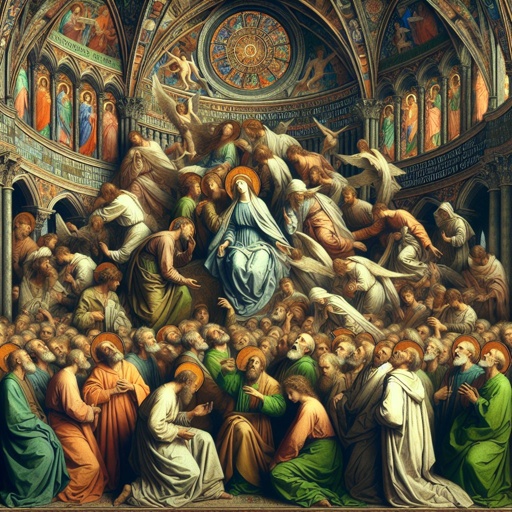
Hebrews 7:23 - "And they truly were many priests, because they were not suffered to continue by reason of death:"

Hebrews 7:8 - "And here men that die receive tithes; but there he receiveth them, of whom it is witnessed that he liveth."

Philippians 3:5 - "Circumcised the eighth day, of the stock of Israel, of the tribe of Benjamin, an Hebrew of the Hebrews; as touching the law, a Pharisee;"

jesus is the radiance of the father's glory hebrews 1:3

Hebrews 1:7 - "And of the angels he saith, Who maketh his angels spirits, and his ministers a flame of fire."