What does Hebrews 7:3 mean?
“Without father, without mother, without descent, having neither beginning of days, nor end of life; but made like unto the Son of God; abideth a priest continually.” — Hebrews 7:3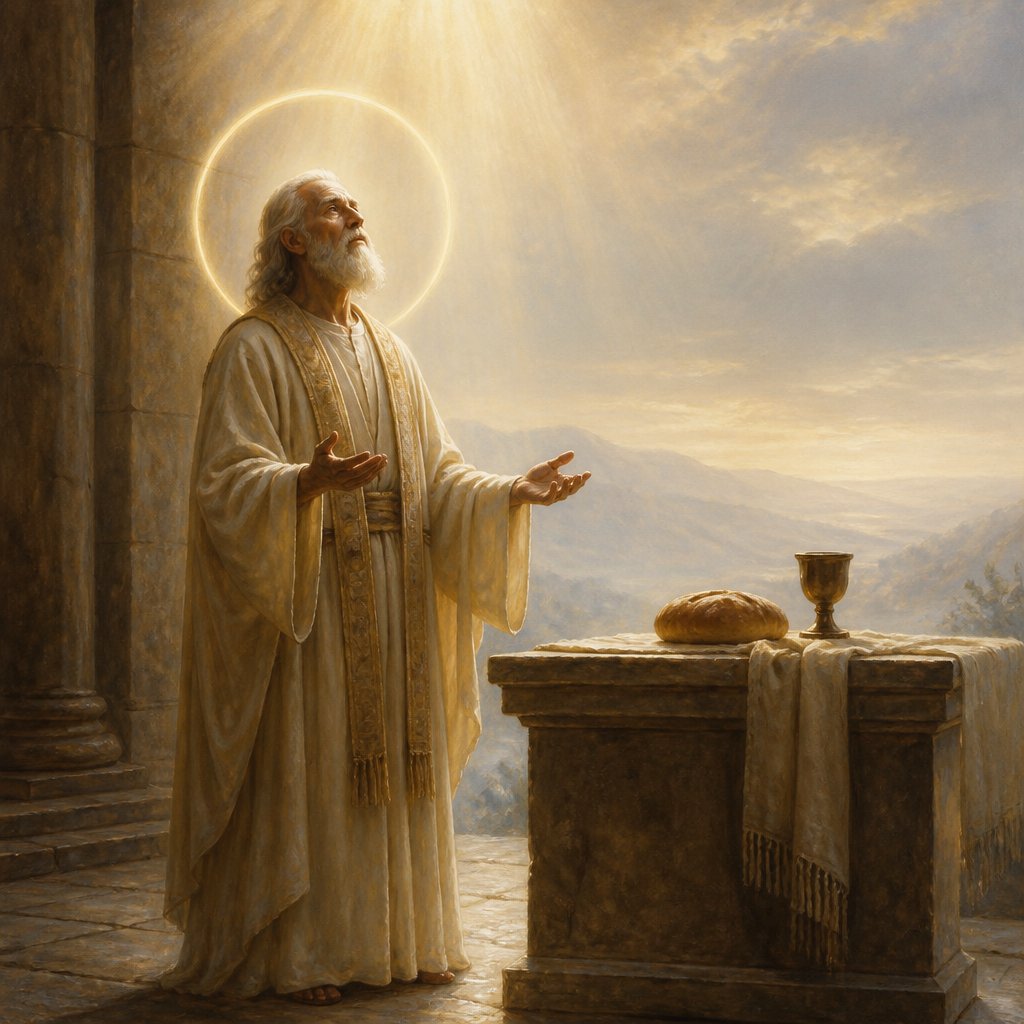
Hebrews 7:3 in the King James Version of the Bible states, "Without father, without mother, without descent, having neither beginning of days, nor end of life; but made like unto the Son of God; abideth a priest continually."
This verse is part of a larger discourse in the book of Hebrews about the role of Jesus Christ as the ultimate High Priest and the superiority of His priesthood over the Levitical priesthood. In this particular verse, the author of Hebrews is describing the mysterious and enigmatic figure of Melchizedek, who is mentioned in the Old Testament book of Genesis and later in the Psalms.
The author of Hebrews contrasts the priesthood of Melchizedek with that of the Levitical priesthood, which was established through a lineage of priests who could trace their ancestry back to Aaron, the brother of Moses. Melchizedek, on the other hand, is described as being without father, mother, or genealogy, and as having no beginning or end of days. In this sense, he is portrayed as an eternal and unchanging figure, making him a fitting type for the eternal priesthood of Jesus Christ.
The description of Melchizedek in Hebrews 7:3 is highly symbolic and has been the subject of much debate and interpretation throughout the history of Christian theology. Some have seen in Melchizedek a prefiguration of Christ himself, while others have understood him as a symbol of the priesthood in general.
One of the key themes in this verse is the eternal nature of Christ's priesthood. By likening Melchizedek to the Son of God and emphasizing his lack of genealogy or beginning and end of days, the author of Hebrews is highlighting the timeless and unchanging character of the priesthood that Christ embodies. This contrasts sharply with the Levitical priesthood, which was bound by genealogical and temporal limitations.
The context of Hebrews 7:3 is important for understanding its meaning. The author of Hebrews is writing to a group of Jewish Christians who were facing persecution and pressure to return to Judaism. In this context, the author seeks to demonstrate the supremacy of Christ as the fulfillment of the Old Testament priesthood and the ultimate High Priest who provides a new and better way of approaching God.
The symbolism in Hebrews 7:3 is rich and multifaceted. The figure of Melchizedek serves as a type or foreshadowing of Christ, highlighting aspects of His eternal priesthood and divine nature. The absence of genealogy for Melchizedek emphasizes his uniqueness and sets him apart from the Levitical priests who were limited by their ancestry. This points to the universal and timeless significance of Christ's priesthood, which transcends ethnic and temporal boundaries.
In conclusion, Hebrews 7:3 in the King James Version of the Bible is a powerful and enigmatic verse that underscores the eternal nature of Christ's priesthood. It uses the mysterious figure of Melchizedek to highlight the superiority of Christ's priesthood over the Levitical priesthood and to emphasize the timeless and unchanging character of His redemptive work. This verse is a testament to the depth and richness of biblical symbolism and serves as a profound meditation on the eternal priesthood of Christ.
Get our apps


Artwork for Hebrews 7:3
Hebrews 7:3 - "Without father, without mother, without descent, having neither beginning of days, nor end of life; but made like unto the Son of God; abideth a priest continually."
"Without father, without mother, without descent, having neither beginning of days, nor end of life; but made like unto the Son of God; abideth a priest continually." - Hebrews 7:3
Hebrews 3:7 - "Wherefore (as the Holy Ghost saith, To day if ye will hear his voice,"
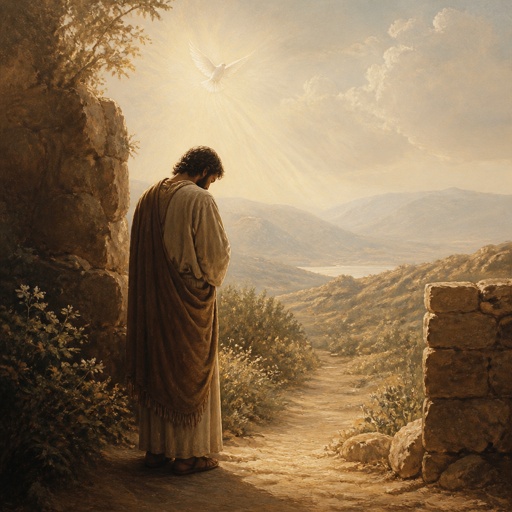
"Wherefore (as the Holy Ghost saith, To day if ye will hear his voice," - Hebrews 3:7

Hebrews 7:7 - "And without all contradiction the less is blessed of the better."

Hebrews 13:3

Hebrews 6:3 - "And this will we do, if God permit."

Hebrews 7:20 - "And inasmuch as not without an oath he was made priest:"

"And without all contradiction the less is blessed of the better." - Hebrews 7:7

Hebrews 7:12 - "For the priesthood being changed, there is made of necessity a change also of the law."

Hebrews 7:24 - "But this man, because he continueth ever, hath an unchangeable priesthood."

Hebrews 7:22 - "By so much was Jesus made a surety of a better testament."

Hebrews 3:8 - "Harden not your hearts, as in the provocation, in the day of temptation in the wilderness:"

Hebrews 3:19 - "So we see that they could not enter in because of unbelief."

Hebrews 7:17 - "For he testifieth, Thou art a priest for ever after the order of Melchisedec."

Hebrews 7:10 - "For he was yet in the loins of his father, when Melchisedec met him."

Hebrews 7:18 - "For there is verily a disannulling of the commandment going before for the weakness and unprofitableness thereof."

Hebrews 7:16 - "Who is made, not after the law of a carnal commandment, but after the power of an endless life."

Hebrews 3:18 - "And to whom sware he that they should not enter into his rest, but to them that believed not?"

Hebrews 3:11 - "So I sware in my wrath, They shall not enter into my rest.)"

"And this will we do, if God permit." - Hebrews 6:3

Hebrews 10:3 - "But in those sacrifices there is a remembrance again made of sins every year."

Hebrews 9:3 - "And after the second veil, the tabernacle which is called the Holiest of all;"

Hebrews 8:7 - "For if that first covenant had been faultless, then should no place have been sought for the second."

Hebrews 7:15 - "And it is yet far more evident: for that after the similitude of Melchisedec there ariseth another priest,"
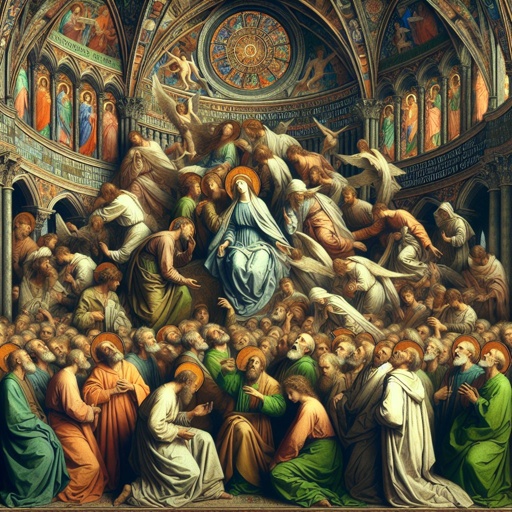
Hebrews 7:23 - "And they truly were many priests, because they were not suffered to continue by reason of death:"

Hebrews 7:8 - "And here men that die receive tithes; but there he receiveth them, of whom it is witnessed that he liveth."

Philippians 3:5 - "Circumcised the eighth day, of the stock of Israel, of the tribe of Benjamin, an Hebrew of the Hebrews; as touching the law, a Pharisee;"

jesus is the radiance of the father's glory hebrews 1:3

Hebrews 1:7 - "And of the angels he saith, Who maketh his angels spirits, and his ministers a flame of fire."