The Sanctifying Power of Sacred Sacrifice
“For if the blood of bulls and of goats, and the ashes of an heifer sprinkling the unclean, sanctifieth to the purifying of the flesh:” — Hebrews 9:13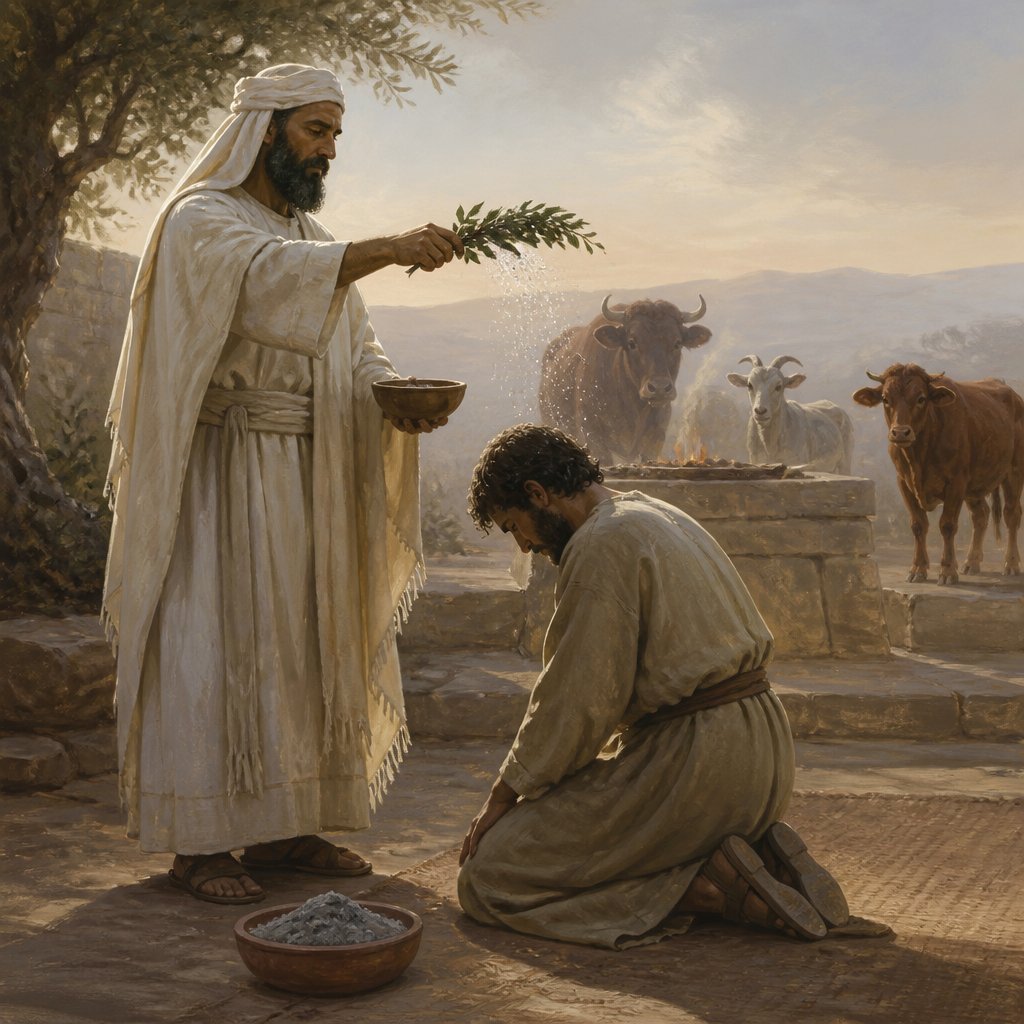
In the book of Hebrews, chapter 9, verse 13, we encounter a profound truth regarding the nature of sacrifice and purification: "For if the blood of bulls and of goats, and the ashes of an heifer sprinkling the unclean, sanctifieth to the purifying of the flesh." This verse reveals the significance of the Old Testament sacrificial system and the transition to the ultimate sacrifice made by Christ, inviting us to explore the depth of God’s redemptive plan.
To fully appreciate this verse, we must understand the context in which it was written. The author of Hebrews was addressing a group of Jewish Christians who were struggling with their identity and faith after the completion of Christ’s redemptive work on the cross. They were reminded of the rituals and sacrifices that were instrumental in their past worship, such as the offerings of bulls and goats, and the use of the ashes of the heifer in ceremonial cleansing. These practices were not merely ritualistic; they held significant symbolic weight in the connection between the sacred and the unclean.
The phrase "sanctifieth to the purifying of the flesh" highlights the ritualistic nature of these sacrifices. Under Mosaic Law, these offerings were intended to address the external aspects of sin and impurity. While they were effective in the eyes of the Old Covenant, they were ultimately insufficient for complete cleansing and reconciliation with God. The blood of bulls and goats could momentarily atone for sin, providing a temporary reprieve from guilt and ceremonial uncleanness, but did not eradicate the root issue of sin within humanity.
As we reflect on this, we see that the sacrifices served a crucial purpose—pointing us toward the greater reality of Christ’s sacrifice on the cross. Each bull and goat that was offered served as a foreshadowing of the Lamb of God, who would take away the sins of the world. The author of Hebrews continues in verse 14, stating, "How much more shall the blood of Christ, who through the eternal Spirit offered himself without spot to God, purge your conscience from dead works to serve the living God?" Here lies the crux of our faith: the blood of Christ not only purifies us externally but cleanses our very conscience and offers us the gift of eternal life.
The continual referencing of animal sacrifices speaks of a desperate need for salvation that humanity could not fulfill on its own. Each offering was an acknowledgement of human fallibility and the heavy burden of sin. Notice how the rituals required meticulousness and adherence to the Law, designed to create a sense of reverence towards God’s holiness. However, being bound to these rituals also illustrates the limitations inherent in human effort to achieve a perfect standing before God.
Moreover, the ashes of the heifer—used in the cleansing of the unclean—serve as a metaphor for death and the impermanence of life, echoing the warning of sin’s inevitable consequence. Yet, in Christ, death is transformed into life, despair into hope, and uncleanliness into sanctification.
What does this mean for us today? It means we are no longer bound by the weight of the law or the remnants of rituals dictated by the Old Covenant. The sacrifice of Christ is a definitive act of grace, enabling us to approach the throne of God without fear of condemnation. We can rejoice in our cleansing and redemption, knowing that His sacrifice is sufficient for our deepest needs and failings.
In conclusion, Hebrews 9:13 calls us to ponder the sanctifying power of sacrifice—a power that transcends the superficial and addresses the core of our beings. Just as the blood of bulls and goats served its purpose, how much greater the sacrifice of our Savior! As we meditate on this truth, let it embolden our faith, deepen our worship, and inspire our service to the living God who calls us into His presence, cleansed and renewed.
Get our apps


Artwork for Hebrews 9:13

Hebrews 9:13 - "For if the blood of bulls and of goats, and the ashes of an heifer sprinkling the unclean, sanctifieth to the purifying of the flesh:"
"For if the blood of bulls and of goats, and the ashes of an heifer sprinkling the unclean, sanctifieth to the purifying of the flesh:" - Hebrews 9:13

Hebrews 13:9 - "Be not carried about with divers and strange doctrines. For it is a good thing that the heart be established with grace; not with meats, which have not profited them that have been occupied therein."

Exodus 9:13 - "¶ And the LORD said unto Moses, Rise up early in the morning, and stand before Pharaoh, and say unto him, Thus saith the LORD God of the Hebrews, Let my people go, that they may serve me."

Hebrews 13:3

Hebrews 13:25 - "Grace be with you all. Amen."

Hebrews 13:1 - "Let brotherly love continue."

Hebrews 13:13 - "Let us go forth therefore unto him without the camp, bearing his reproach."

Hebrews 4:9 - "There remaineth therefore a rest to the people of God."

Hebrews 13:8 - "Jesus Christ the same yesterday, and to day, and for ever."

Hebrews 13:14 - "For here have we no continuing city, but we seek one to come."

Hebrews 9:16 - "For where a testament is, there must also of necessity be the death of the testator."

hebrew 13:20

Hebrews 13:16 - "But to do good and to communicate forget not: for with such sacrifices God is well pleased."

Hebrews 9:18 - "Whereupon neither the first testament was dedicated without blood."

Hebrews 9:27 - "And as it is appointed unto men once to die, but after this the judgment:"

Hebrews 10:13 - "From henceforth expecting till his enemies be made his footstool."

"Grace be with you all. Amen." - Hebrews 13:25

Hebrews 13:2 - "Be not forgetful to entertain strangers: for thereby some have entertained angels unawares."

Hebrews 13:4 - "Marriage is honourable in all, and the bed undefiled: but whoremongers and adulterers God will judge."

Hebrews 5:13 - "For every one that useth milk is unskilful in the word of righteousness: for he is a babe."

"Let brotherly love continue." - Hebrews 13:1

Hebrews 9:3 - "And after the second veil, the tabernacle which is called the Holiest of all;"

Hebrews 13:10 - "We have an altar, whereof they have no right to eat which serve the tabernacle."

Hebrews 9:9 - "Which was a figure for the time then present, in which were offered both gifts and sacrifices, that could not make him that did the service perfect, as pertaining to the conscience;"

Hebrews 13:19 - "But I beseech you the rather to do this, that I may be restored to you the sooner."

Hebrews 9:20 - "Saying, This is the blood of the testament which God hath enjoined unto you."

Hebrews 9:21 - "Moreover he sprinkled with blood both the tabernacle, and all the vessels of the ministry."

Hebrews 9:17 - "For a testament is of force after men are dead: otherwise it is of no strength at all while the testator liveth."
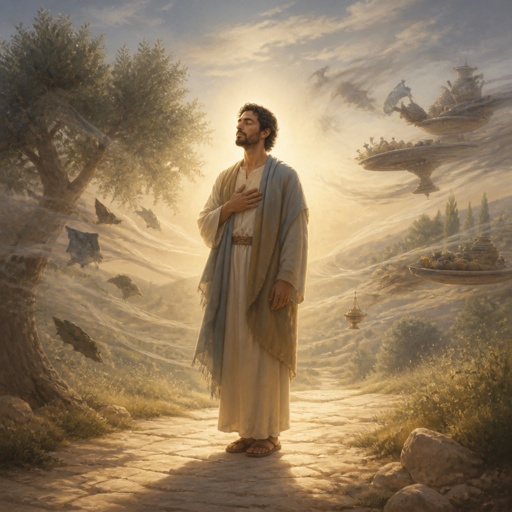
"Be not carried about with divers and strange doctrines. For it is a good thing that the heart be established with grace; not with meats, which have not profited them that have been occupied therein." - Hebrews 13:9