The Eternal Mediator: A Treasured Promise
“How much more shall the blood of Christ, who through the eternal Spirit offered himself without spot to God, purge your conscience from dead works to serve the living God? And for this cause he is the mediator of the new testament, that by means of death, for the redemption of the transgressions that were under the first testament, they which are called might receive the promise of eternal inheritance.” — Hebrews 9:14-15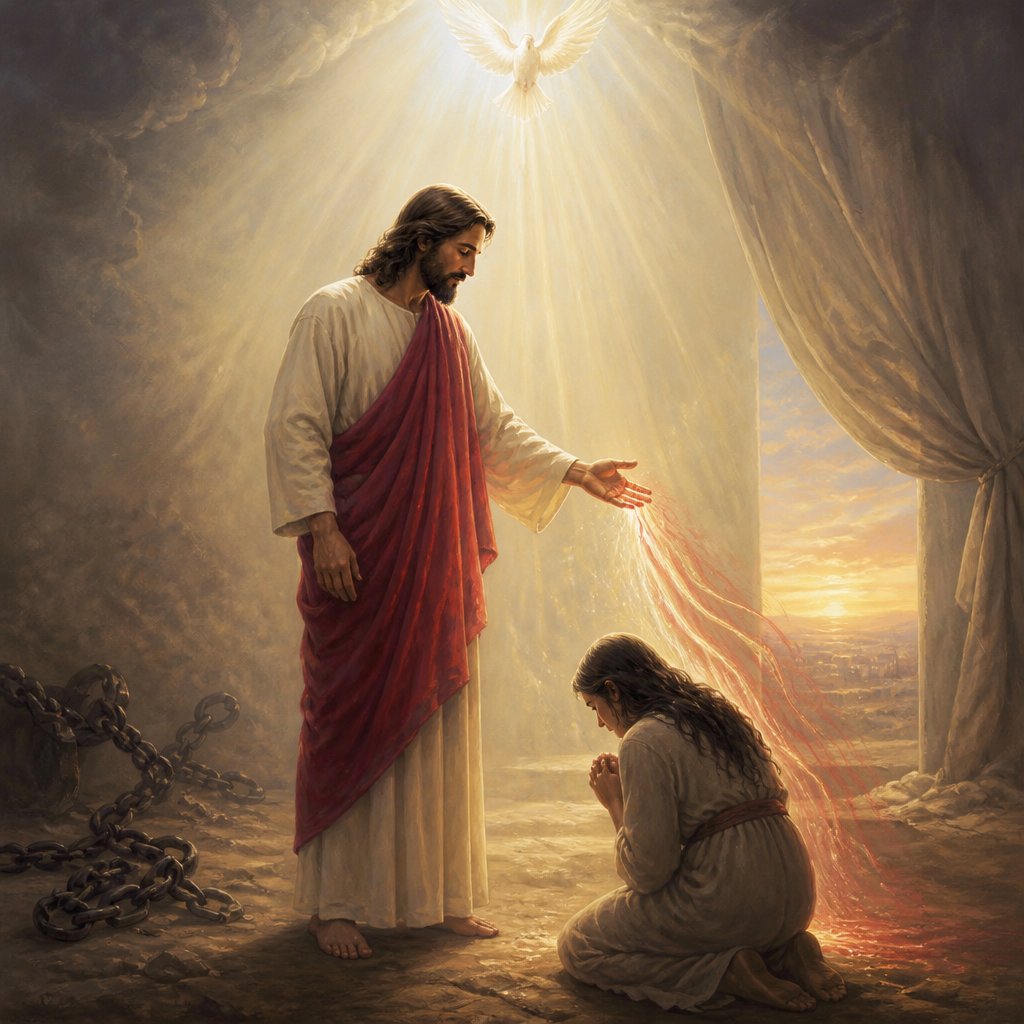
Hebrews 9:14-15 declares, "And for this cause he is the mediator of the new testament, that by means of death, for the redemption of the transgressions that were under the first testament, they which are called might receive the promise of eternal inheritance." This profound passage encompasses the essence of our faith, highlighting the pivotal role of Jesus as our mediator and the monumental significance of His sacrificial death.
To understand the depth of this scripture, we must reflect on the context of the first and the new testaments. The first testament, often referred to as the Old Covenant, was established with the children of Israel, marked by the law and sacrifices that were meant to atone for sin. However, it became evident that the blood of animals could never fully cleanse a person from sin; it could only point to the greater sacrifice that was to come. The sacrifices were a foreshadowing of Christ’s ultimate sacrifice—His death on the cross, which would serve as the final atonement for humanity’s sin.
The verse begins by establishing that Jesus is the "mediator of the new testament." A mediator is an essential figure in establishing and maintaining relationships, particularly in legal contexts. Jesus stands between God and mankind, reconciling us to the Father through His atoning sacrifice. His role as mediator does not just signify restoration, but it also embodies hope and promise for believers who navigate a world full of sin and betrayal. In a culture that often strays from God’s ways, Jesus’ mediatorial role reassures us that our transgressions are forgiven and that we are called to partake in an everlasting covenant filled with His grace.
The phrase "that by means of death, for the redemption of the transgressions..." speaks volumes about the gravity of the sacrifice. Jesus’ death was not a mere historical event; it was the fulcrum on which our salvation balances. Through His suffering, He dealt decisively with the sins that bound us. The foundation of our faith rests on the understanding that we were once captive to sin, yet through the blood of Christ, we have been set free from the penalty of that sin.
The term "redemption" encapsulates the act of being bought back, released from bondage. In Christ, we find that we are not merely freed from the chains of guilt and transgression but brought into the family of God as heirs to His kingdom. The notion that "they which are called might receive the promise of eternal inheritance" brings us to the beautiful assurance of eternal life with God. This promise is not contingent upon our works or righteousness; rather, it is a gift extended to all who respond to His calling. God desires that everyone participates in His eternal plan, and through Christ, He has made that possibility a reality.
As we meditate on this scripture, we are reminded of the depth of God’s love and mercy. Each of us has transgressed, yet we can boldly approach God’s throne of grace, knowing that we have a mediator who stands in our favor. Jesus intercedes for us, offering us access to a relationship with the Father. He is not distant or disengaged; He understands our struggles intimately and offers us His strength.
In conclusion, let us embrace the truth of Hebrews 9:14-15. In a world where promises are often broken, God’s covenant stands unshakeable. The sacrifice of Jesus reassures us of His commitment to redeem and restore. As we stand firm in this truth, let us reflect on the hope of our eternal inheritance and share the wondrous news of Jesus, our Mediator, with those around us.
Get our apps


Artwork for Hebrews 9:14-15

Hebrews 9:14-15 - "How much more, then, will the blood of Christ, who through the eternal Spirit offered himself unblemished to God, cleanse our consciences from acts that lead to death, so that we may serve the living God! For this reason Christ is the mediator of a new covenant, that those who are called may receive the promised eternal inheritance—now that he has died as a ransom to set them free from the sins committed under the first covenant."
"How much more, then, will the blood of Christ, who through the eternal Spirit offered himself unblemished to God, cleanse our consciences from acts that lead to death, so that we may serve the living God! For this reason Christ is the mediator of a new covenant, that those who are called may receive the promised eternal inheritance—now that he has died as a ransom to set them free from the sins committed under the first covenant." - Hebrews 9:14-15
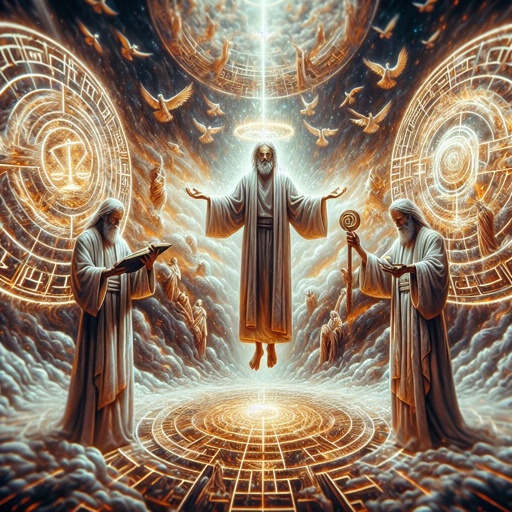
Hebrews 9:15 - "And for this cause he is the mediator of the new testament, that by means of death, for the redemption of the transgressions that were under the first testament, they which are called might receive the promise of eternal inheritance."

Hebrews 1:14

Hebrews 1:14

Hebrews 9:14 - "How much more shall the blood of Christ, who through the eternal Spirit offered himself without spot to God, purge your conscience from dead works to serve the living God?" The image should not depict explicit or offensive content but be symbolic.

Hebrews 4:9 - "There remaineth therefore a rest to the people of God."

Hebrews 2:14-15 - "Since therefore the children share in flesh and blood, he himself likewise partook of the same things, that through death he might destroy the one who has the power of death, that is, the devil, and deliver all those who through fear of death were subject to lifelong slavery."

Hebrews 11:14 - "For they that say such things declare plainly that they seek a country."

Hebrews 13:14 - "For here have we no continuing city, but we seek one to come."

Hebrews 10:14 - "For by one offering he hath perfected for ever them that are sanctified."
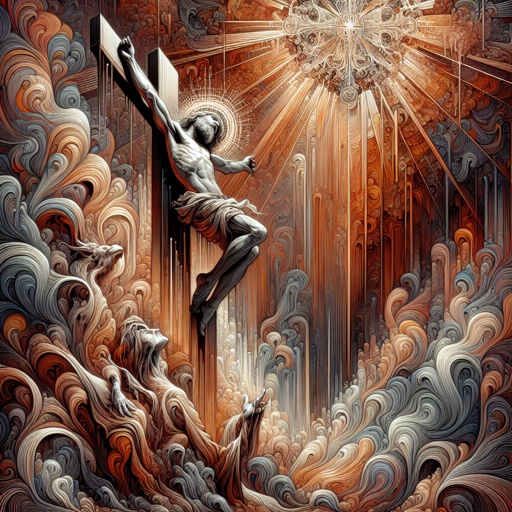
「更何況基督藉著永恆的靈 把自己毫無瑕疵地獻給上帝呢? 祂的血豈不更能洗淨我們的良心, 使我們脫離導致滅亡的行為, 以便事奉永活的上帝嗎? 」 希伯來書9:14

Hebrews 9:16 - "For where a testament is, there must also of necessity be the death of the testator."

Hebrews 9:18 - "Whereupon neither the first testament was dedicated without blood."

Hebrews 9:27 - "And as it is appointed unto men once to die, but after this the judgment:"

Hebrews 6:15 - "And so, after he had patiently endured, he obtained the promise."
Hebrews 10:15 - "Whereof the Holy Ghost also is a witness to us: for after that he had said before,"

Hebrews 9:3 - "And after the second veil, the tabernacle which is called the Holiest of all;"

Hebrews 7:15 - "And it is yet far more evident: for that after the similitude of Melchisedec there ariseth another priest,"

Hebrews 9:14 ”how much more shall the blood of Christ, who through the eternal Spirit offered himself without spot to God, purge your conscience from dead works to serve the living God?“

Hebrews 9:9 - "Which was a figure for the time then present, in which were offered both gifts and sacrifices, that could not make him that did the service perfect, as pertaining to the conscience;"

Hebrews 1:14 - "Are they not all ministering spirits, sent forth to minister for them who shall be heirs of salvation?"

Hebrews 6:14 - "Saying, Surely blessing I will bless thee, and multiplying I will multiply thee."

Hebrews 9:13 - "For if the blood of bulls and of goats, and the ashes of an heifer sprinkling the unclean, sanctifieth to the purifying of the flesh:"

Hebrews 9:20 - "Saying, This is the blood of the testament which God hath enjoined unto you."

Hebrews 9:21 - "Moreover he sprinkled with blood both the tabernacle, and all the vessels of the ministry."

Hebrews 3:15 - "While it is said, To day if ye will hear his voice, harden not your hearts, as in the provocation."

Hebrews 2:15 - "And deliver them who through fear of death were all their lifetime subject to bondage."

Hebrews 12:14 - "Follow peace with all men, and holiness, without which no man shall see the Lord:"

Hebrews 9:17 - "For a testament is of force after men are dead: otherwise it is of no strength at all while the testator liveth."