The Weight of Divine Purpose: Lessons from Hosea 10:11
“And Ephraim is as an heifer that is taught, and loveth to tread out the corn; but I passed over upon her fair neck: I will make Ephraim to ride; Judah shall plow, and Jacob shall break his clods.” — Hosea 10:11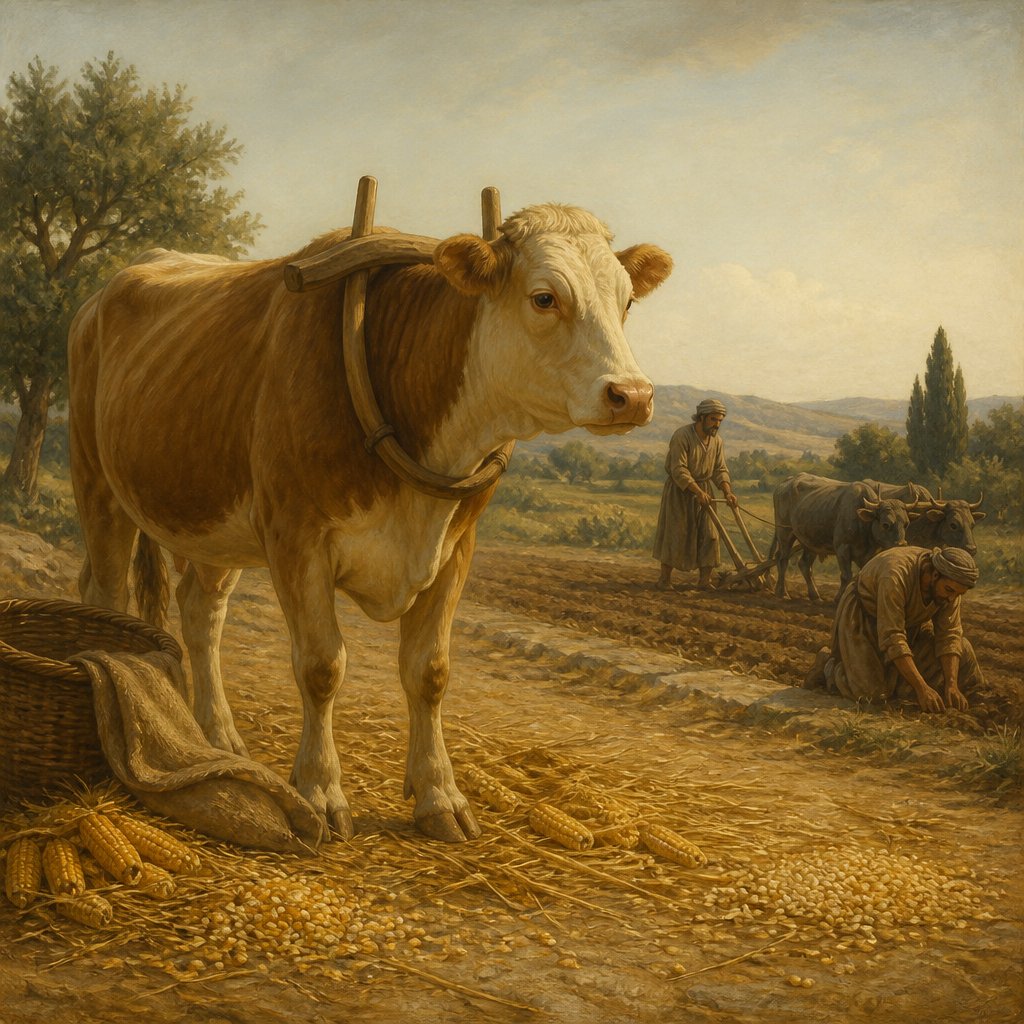
In the book of Hosea, the Lord uses the imagery of agricultural life to convey profound truths about His people. Hosea 10:11 reads: "And Ephraim is as an heifer that is taught, and loveth to tread out the corn; but I passed over upon her fair neck: I will make Ephraim to ride; Judah shall plow, and Jacob shall break his clods." This verse is rich in meaning, revealing both the beauty of divine purpose and the responsibility that comes with it.
To understand the depth of this message, one must first consider the symbolism of Ephraim as an ‘‘heifer that is taught.’’ In ancient agricultural societies, a heifer, or young cow, represented strength, potential, and fertility. Treading out corn was a task of significant importance, turning ripe grain into food. This illustrates Ephraim’s privileges and abilities; they were chosen and nurtured by God to be productive and fruitful. However, being ‘taught’ implies that there was a process of instruction, guidance, and preparation.
The heifer, while capable and loved for its role, must also submit to the authority of the farmer. Here God identifies Himself as the one ‘passing over upon her fair neck’, symbolizing authority, passage, and the anointing of purpose. This reflects a biblical theme: those who are blessed with great potential must also learn to bear the weight of their calling. Ephraim had been cultivated to bear the fruit of righteousness, yet God highlights a more significant truth: He desires them to ride—implying a shift from mere labor to leadership.
When God states, "I will make Ephraim to ride," it represents a divine elevation. It is an invitation to rise above mere activity into the fullness of purpose. It is as if God is saying, "You have been taught; now it is time to take on greater responsibilities.” Riding, in this context, signifies being chosen for leadership. The metaphor showcases a transformation, where Ephraim is called not only to labor in the fields but also to lead and guide. It is a beautiful picture of God’s desire for His people to be active participants in His kingdom work.
Next, we encounter the phrase, “Judah shall plow, and Jacob shall break his clods.” This introduces an important dynamic in how God distributes tasks. While Ephraim is being set up for elevation, Judah and Jacob (which often represents the whole house of Israel) are called to foundational work. Plowing and breaking clods symbolize hard work, preparation, and humility. They serve as an essential reminder that no role in God’s kingdom is insignificant. Each part—whether it is plowing or riding—is vital for the overall success of the harvest.
As we meditate on this passage, it prompts us to reflect on our roles within the community of believers. Have we recognized our potential and the calling God has placed on our lives? Are we willing to be taught and to submit to God's guidance as He prepares us for transformation? Furthermore, do we appreciate the roles of others who labor in prayer, service, and humility to pave the way for those in leadership?
God’s desire is for us to grow, to bear fruit, and to embrace our responsibilities. We must seek His guidance every day, allowing the Holy Spirit to teach us and direct our paths. In this kingdom, every action—whether plowing or riding—is essential in making strides for the harvest of souls. Let’s embrace our divine purpose today, whether it be in nurturing, leading, or supporting each other in our walks with Christ. May we never forget that true elevation in God’s eyes comes with the willingness to serve and to labor in love. Amen.
Get our apps


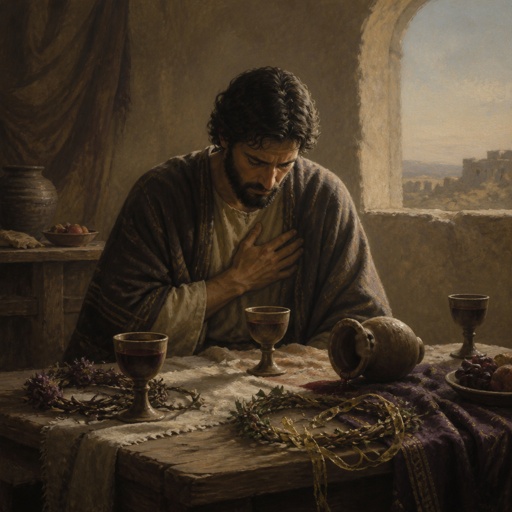
Artwork for Hosea 10:11
Hosea 10:11 - "And Ephraim is as an heifer that is taught, and loveth to tread out the corn; but I passed over upon her fair neck: I will make Ephraim to ride; Judah shall plow, and Jacob shall break his clods."
"And Ephraim is as an heifer that is taught, and loveth to tread out the corn; but I passed over upon her fair neck: I will make Ephraim to ride; Judah shall plow, and Jacob shall break his clods." - Hosea 10:11

Hosea 11:10 - "They shall walk after the LORD: he shall roar like a lion: when he shall roar, then the children shall tremble from the west."

Hosea 11:11 - "They shall tremble as a bird out of Egypt, and as a dove out of the land of Assyria: and I will place them in their houses, saith the LORD."

Hosea 10:7 - "As for Samaria, her king is cut off as the foam upon the water."

Hosea 10:10 - "It is in my desire that I should chastise them; and the people shall be gathered against them, when they shall bind themselves in their two furrows."

Hosea 7:11 - "¶ Ephraim also is like a silly dove without heart: they call to Egypt, they go to Assyria."

Hosea 5:11 - "Ephraim is oppressed and broken in judgment, because he willingly walked after the commandment."

Hosea 8:11 - "Because Ephraim hath made many altars to sin, altars shall be unto him to sin."

Hosea 11:3 - "I taught Ephraim also to go, taking them by their arms; but they knew not that I healed them."

Hosea 13:11 - "I gave thee a king in mine anger, and took him away in my wrath."

Hosea 11:1 - "When Israel was a child, then I loved him, and called my son out of Egypt."

Hosea 9:11 - "As for Ephraim, their glory shall fly away like a bird, from the birth, and from the womb, and from the conception."

Hosea 11:5 - "¶ He shall not return into the land of Egypt, but the Assyrian shall be his king, because they refused to return."

Hosea 12:11 - "Is there iniquity in Gilead? surely they are vanity: they sacrifice bullocks in Gilgal; yea, their altars are as heaps in the furrows of the fields."
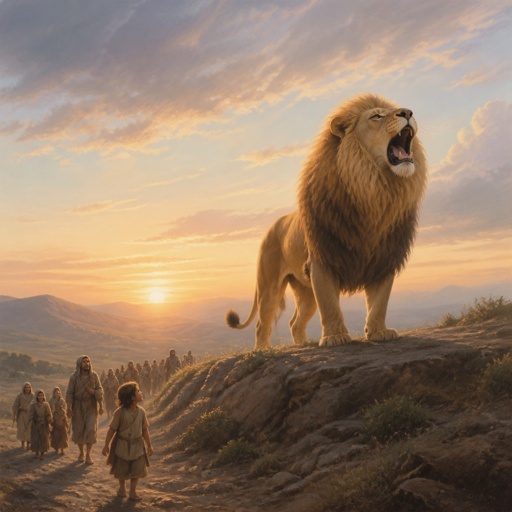
"They shall walk after the LORD: he shall roar like a lion: when he shall roar, then the children shall tremble from the west." - Hosea 11:10

Hosea 11:2 - "As they called them, so they went from them: they sacrificed unto Baalim, and burned incense to graven images."

Hosea 7:10 - "And the pride of Israel testifieth to his face: and they do not return to the LORD their God, nor seek him for all this."

Hosea 12:10 - "I have also spoken by the prophets, and I have multiplied visions, and used similitudes, by the ministry of the prophets."

Hosea 11:6 - "And the sword shall abide on his cities, and shall consume his branches, and devour them, because of their own counsels."

Hosea 6:11 - "Also, O Judah, he hath set an harvest for thee, when I returned the captivity of my people."

Hosea 11:12 - "Ephraim compasseth me about with lies, and the house of Israel with deceit: but Judah yet ruleth with God, and is faithful with the saints."

Hosea 2:10 - "And now will I discover her lewdness in the sight of her lovers, and none shall deliver her out of mine hand."

Hosea 10:4 - "They have spoken words, swearing falsely in making a covenant: thus judgment springeth up as hemlock in the furrows of the field."

Hosea 8:10 - "Yea, though they have hired among the nations, now will I gather them, and they shall sorrow a little for the burden of the king of princes."

Hosea 10:3 - "For now they shall say, We have no king, because we feared not the LORD; what then should a king do to us?"

Hosea 10:2 - "Their heart is divided; now shall they be found faulty: he shall break down their altars, he shall spoil their images."
"Whoredom and wine and new wine take away the heart." - Hosea 4:11

Hosea 11:7 - "And my people are bent to backsliding from me: though they called them to the most High, none at all would exalt him."

Hosea 10:9 - "O Israel, thou hast sinned from the days of Gibeah: there they stood: the battle in Gibeah against the children of iniquity did not overtake them."