The Heart of a Deceiver: A Call to Genuine Faithfulness
“Ephraim compasseth me about with lies, and the house of Israel with deceit: but Judah yet ruleth with God, and is faithful with the saints.” — Hosea 11:12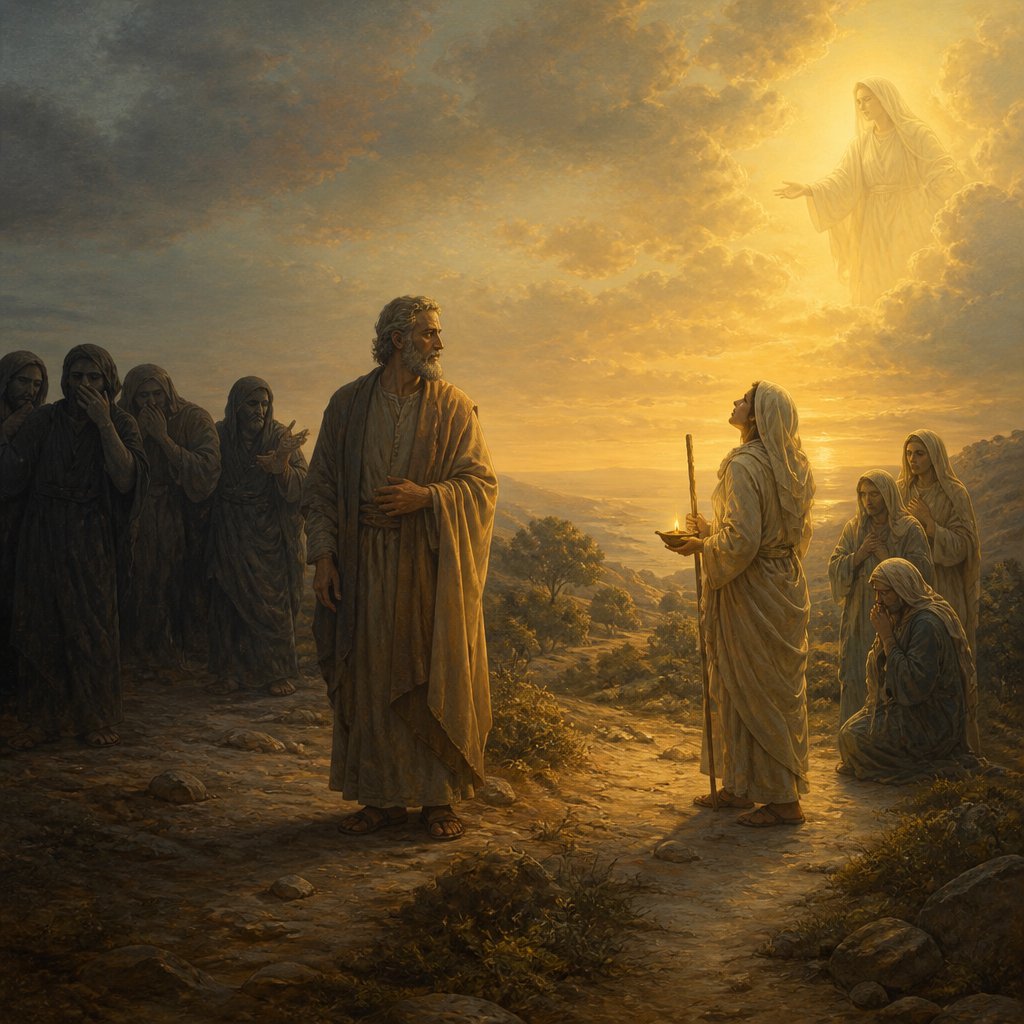
The words of Hosea 11:12 resonate with a deeply rooted message about the human condition and our relationship with God: "Ephraim compasseth me about with lies, and the house of Israel with deceit: but Judah yet ruleth with God, and is faithful with the saints." In this verse, we find a profound reflection on the nature of spirituality and fidelity in our worship.
The context of this text reveals not just a historical account of Israel’s separation from God but also an ongoing struggle that persists in human hearts today. Hosea was writing during a tumultuous time for his people—a period marked by betrayal, sin, and a blatant disregard for the covenant they had made with the Almighty. Ephraim, representing the northern kingdom and often synonymous with the larger population of Israel, is highlighted as resorting to lies and deceit. The imagery evokes a stark contrast between tepid faith and genuine devotion.
To "compass about with lies" is to besiege or surround oneself with untruths. This suggests an ever-encroaching deception that smothers the reality of God’s truth. It’s easy to reflect on ancient Israel’s actions, critiquing them for their unfaithfulness. Yet, upon a closer examination, we see echoes of their behavior in our modern-day lives. How often do we, too, surround our hearts with dishonesty? Lies might manifest in the form of justifying sinful behavior, giving empty praise, or pretending to seek God while our actions tell a different story. In doing so, we become like Ephraim—failing to be authentic in our relationship with God.
The contrast introduced in this verse, ``but Judah yet ruleth with God, and is faithful with the saints``, provides a glimmer of hope and a model of genuine allegiance. Judah symbolizes the southern kingdom that remained somewhat faithful to God during a period when the northern tribes turned away. This faithfulness often came at a personal cost—as witnesses of God’s wrath, they were challenged to remain steadfast in their loyalty.
Faithfulness requires more than mere adherence to religious protocols; it involves a deep-seated integrity that flows from our love for God. Judah’s loyalty teach us that authenticity in worship is paramount. Are we willing to be the Judahs of our time, remaining faithful amidst a culture that many times revels in falsehood?
Such fidelity involves self-examination and repentance. Living in truth necessitates reflection on where we have allowed deceit to infiltrate our lives—be it through unconfessed sin, half-hearted worship, or superficial relationships within the church. Re-evaluating our connections with the divine and the body of believers should stir us toward a resolution to pursue a genuine faith.
In meditating on the state of our hearts, we can transform our deceitful tendencies into displays of divine grace through repentance and reconciliation. Hosea is not merely a warning but also an invitation to dwell in God’s mercy. The prophetic account of corruption gives way to the everlasting promise of restoration through Jesus Christ, the ultimate faithful witness.
As we navigate our spiritual journey, let us heed the call of Christ, who invites us into truth and life. Consider Judah’s faithfulness as a model; embrace fellowship with the saints as a community where we hold each other accountable to live lives that reflect integrity and honesty. Denounce the lies that surrounding our lives and instead, speak the truth in love. We thrive not by compassing ourselves with deceit but by rallying around God’s faithfulness and the support of our brothers and sisters in Christ.
Let this verse tug at our hearts throughout the day: Are we more like Ephraim, surrounding ourselves with lies, or can we embody the character of Judah, choosing faithfulness with God and His people? May we strive to cultivate a spirit of integrity, rooted in the unshakeable truth of God's word.
Get our apps


Artwork for Hosea 11:12

Hosea 11:12 - "Ephraim compasseth me about with lies, and the house of Israel with deceit: but Judah yet ruleth with God, and is faithful with the saints."
"Ephraim compasseth me about with lies, and the house of Israel with deceit: but Judah yet ruleth with God, and is faithful with the saints." - Hosea 11:12

Hosea 12:11 - "Is there iniquity in Gilead? surely they are vanity: they sacrifice bullocks in Gilgal; yea, their altars are as heaps in the furrows of the fields."
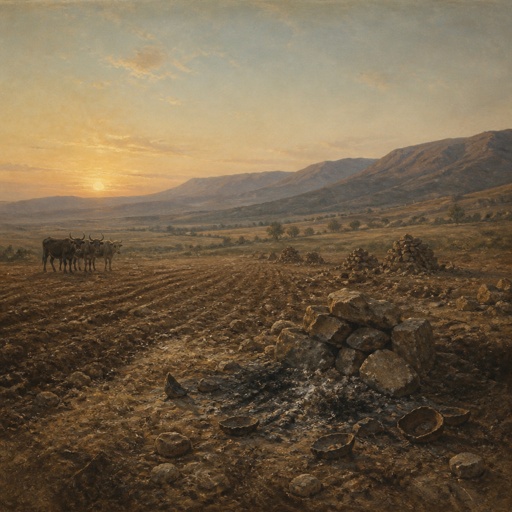
"Is there iniquity in Gilead? surely they are vanity: they sacrifice bullocks in Gilgal; yea, their altars are as heaps in the furrows of the fields." - Hosea 12:11

Hosea 12:12 - "And Jacob fled into the country of Syria, and Israel served for a wife, and for a wife he kept sheep."

Hosea 12:5 - "Even the LORD God of hosts; the LORD is his memorial."

Hosea 5:12 - "Therefore will I be unto Ephraim as a moth, and to the house of Judah as rottenness."

Hosea 13:12 - "The iniquity of Ephraim is bound up; his sin is hid."

Hosea 11:11 - "They shall tremble as a bird out of Egypt, and as a dove out of the land of Assyria: and I will place them in their houses, saith the LORD."

Hosea 12:13 - "And by a prophet the LORD brought Israel out of Egypt, and by a prophet was he preserved."

Hosea 7:11 - "¶ Ephraim also is like a silly dove without heart: they call to Egypt, they go to Assyria."

Hosea 5:11 - "Ephraim is oppressed and broken in judgment, because he willingly walked after the commandment."

Hosea 8:11 - "Because Ephraim hath made many altars to sin, altars shall be unto him to sin."

Hosea 11:3 - "I taught Ephraim also to go, taking them by their arms; but they knew not that I healed them."

Hosea 12:3 - "¶ He took his brother by the heel in the womb, and by his strength he had power with God:"

Hosea 13:11 - "I gave thee a king in mine anger, and took him away in my wrath."

Hosea 11:1 - "When Israel was a child, then I loved him, and called my son out of Egypt."

Hosea 9:11 - "As for Ephraim, their glory shall fly away like a bird, from the birth, and from the womb, and from the conception."

Hosea 8:12 - "I have written to him the great things of my law, but they were counted as a strange thing."

Hosea 12:6 - "Therefore turn thou to thy God: keep mercy and judgment, and wait on thy God continually."

Hosea 11:5 - "¶ He shall not return into the land of Egypt, but the Assyrian shall be his king, because they refused to return."

Hosea 12:10 - "I have also spoken by the prophets, and I have multiplied visions, and used similitudes, by the ministry of the prophets."

Hosea 11:2 - "As they called them, so they went from them: they sacrificed unto Baalim, and burned incense to graven images."

Hosea 11:6 - "And the sword shall abide on his cities, and shall consume his branches, and devour them, because of their own counsels."

Hosea 6:11 - "Also, O Judah, he hath set an harvest for thee, when I returned the captivity of my people."
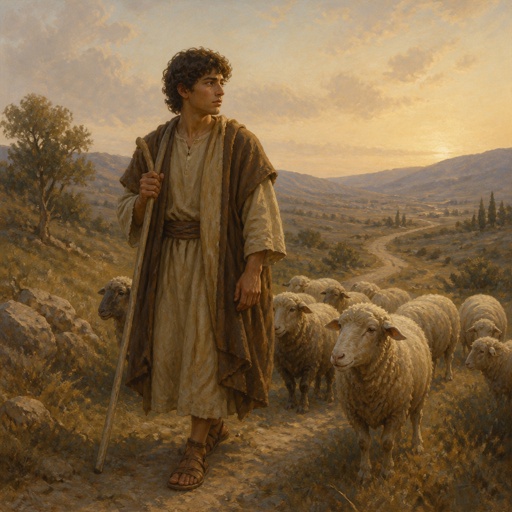
"And Jacob fled into the country of Syria, and Israel served for a wife, and for a wife he kept sheep." - Hosea 12:12

Hosea 12:9 - "And I that am the LORD thy God from the land of Egypt will yet make thee to dwell in tabernacles, as in the days of the solemn feast."

Hosea 12:2 - "The LORD hath also a controversy with Judah, and will punish Jacob according to his ways; according to his doings will he recompense him."
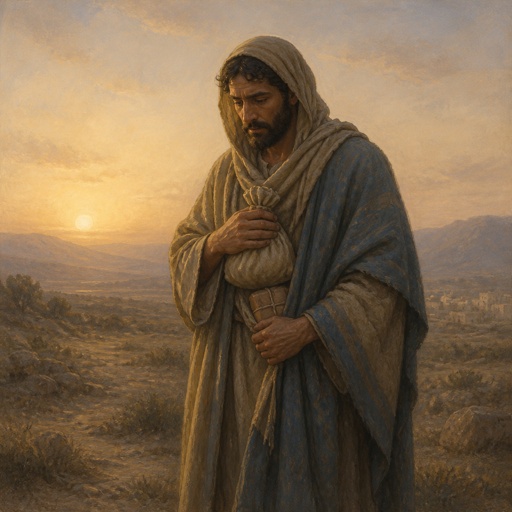
"The iniquity of Ephraim is bound up; his sin is hid." - Hosea 13:12

"Even the LORD God of hosts; the LORD is his memorial." - Hosea 12:5