Turning from False Security to True Mercy
“Asshur shall not save us; we will not ride upon horses: neither will we say any more to the work of our hands, Ye are our gods: for in thee the fatherless findeth mercy.” — Hosea 14:3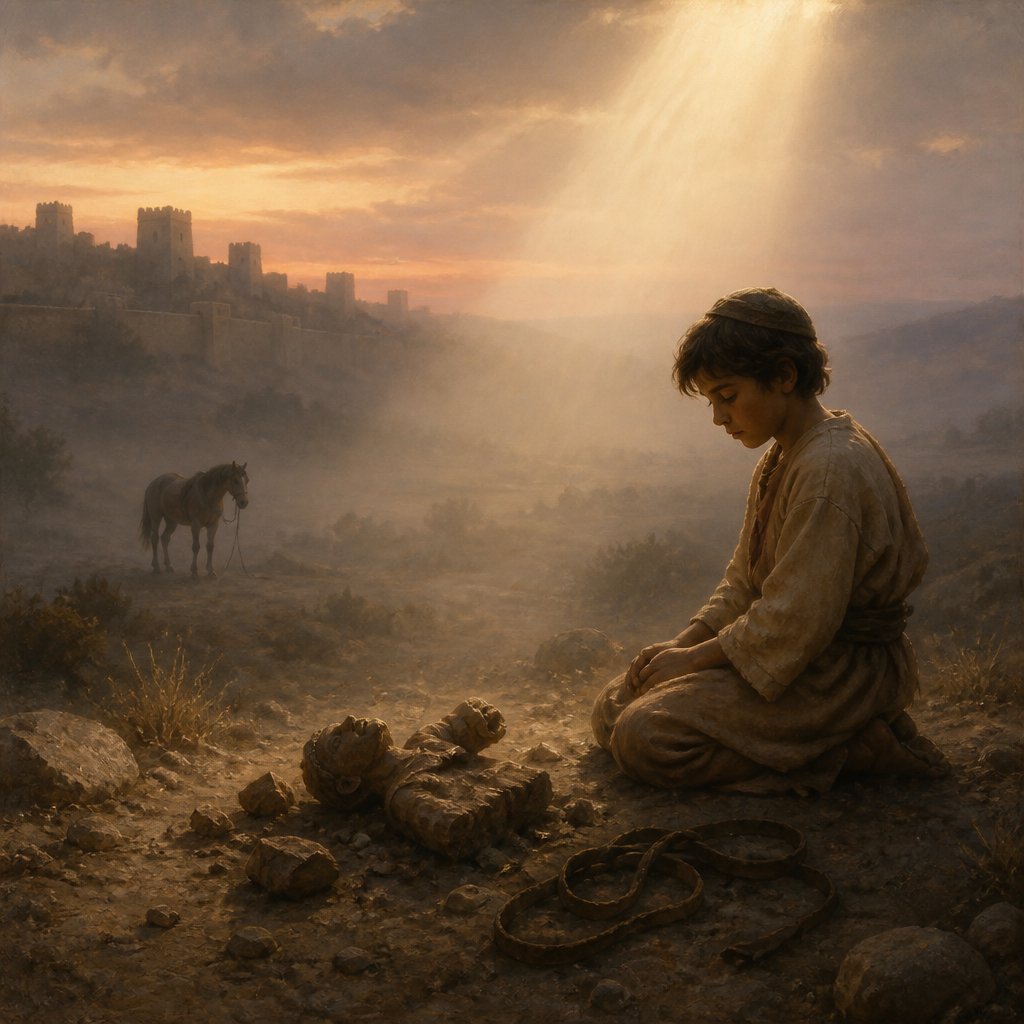
The book of Hosea is a poignant reflection of God’s unwavering love for His people amidst their infidelity and disobedience. In Hosea 14:3, we encounter a profound declaration: "Asshur shall not save us; we will not ride upon horses: neither will we say any more to the work of our hands, Ye are our gods: for in thee the fatherless findeth mercy." This verse encapsulates the theme of repentance, recognition of false idols, and the restoration of trust in God.
In a historical context, Asshur refers to the Assyrian empire, a significant power during the days of the Prophets. The Israelites often looked to foreign nations for security and protection, placing their trust in military alliances and the might of their horses. This verse, however, significantly marks a turning point. The acknowledgment that their reliance on Assyria for salvation was futile demonstrates a critical shift from false security to genuine reliance upon God.
The phrase, "we will not ride upon horses" symbolizes a rejection of pride and self-reliance. Horses often portrayed strength and military power in ancient times. By deciding not to "ride upon horses," the Israelites were choosing to forsake their trust in earthly strength and prowess. This reflects a deep understanding that true deliverance does not come from human capabilities but from the grace of God alone.
The latter part of the verse reveals a profound insight into the nature of God’s mercy. The Israelites declare, "neither will we say any more to the work of our hands, Ye are our gods." This acknowledgment marks a radical departure from idolatry and a commitment to honor the true God. Idols often represent our attempts to control our destinies, relying on what we can create or achieve. The people recognized that their own creations could not provide the hope and salvation they sought, for these were mere reflections of their effort, devoid of divine power.
Our modern idols may not resemble golden statues or carved images, but they manifest in various forms—wealth, status, careers, and even relationships. We must each examine our hearts, identifying those areas where we may put our trust above God. In doing so, we can echo the sentiments of Hosea, repenting of our reliance on these false gods.
The culmination of the verse, "for in thee the fatherless findeth mercy," encapsulates the core of God’s character—He is a merciful father to those who have no protector. In biblical times, the fatherless were among the most vulnerable, with no strength or safety apart from the community and God's grace. In God, the fatherless find not just a reluctant mercy but an abundant and encompassing grace that cradles the brokenhearted and the abandoned.
This verse beckons us into a deeper understanding of God’s love and mercy. No matter where we have placed our trust, whether in human endeavors or material security, there is an invitation to return to God. God desires relationship, not relinquishment of our gifts and efforts, but rather a redirection of our hope. He longs for us to recognize our limitations and lean into His unending love.
As we reflect on Hosea 14:3, may we take the time to confront our own false securities. Let us renounce the things that distract us from acknowledging God as our only true source of salvation. In the stillness of repentance, may we find the tender mercy of our Heavenly Father, who welcomes us back into His embrace, offering us strength when we are weak and guidance when we are lost. In the face of our vulnerabilities, may we confidently declare: "In Thee, O Lord, I find my rest and refuge."
Thus, binding our hearts to the merciful character of God, we can stand firm in the assurance that He is our salvation and our strength, guiding us gently, as a father does for his children.
Get our apps


Artwork for Hosea 14:3

Hosea 14:3 - "Asshur shall not save us; we will not ride upon horses: neither will we say any more to the work of our hands, Ye are our gods: for in thee the fatherless findeth mercy."
"Asshur shall not save us; we will not ride upon horses: neither will we say any more to the work of our hands, Ye are our gods: for in thee the fatherless findeth mercy." - Hosea 14:3

Hosea 3:1

Hosea 3:1-5

Hosea 14:5-6 – "I will be like the dew to Israel; he will blossom like a lily."

Hosea 1:2-11;2:14;3:5

Hosea 7:3 - "They make the king glad with their wickedness, and the princes with their lies."

Hosea 14:1 - "O Israel, return unto the LORD thy God; for thou hast fallen by thine iniquity."

Hosea 2:14 - "¶ Therefore, behold, I will allure her, and bring her into the wilderness, and speak comfortably unto her."

Hosea 14:4 - "¶ I will heal their backsliding, I will love them freely: for mine anger is turned away from him."

Hosea 14:6 - "His branches shall spread, and his beauty shall be as the olive tree, and his smell as Lebanon."

Hosea 8:3 - "Israel hath cast off the thing that is good: the enemy shall pursue him."

Hosea 14:5 - "I will be as the dew unto Israel: he shall grow as the lily, and cast forth his roots as Lebanon."

Hosea 2:14-15 – "Therefore I am now going to allure her; I will lead her into the wilderness and speak tenderly to her."
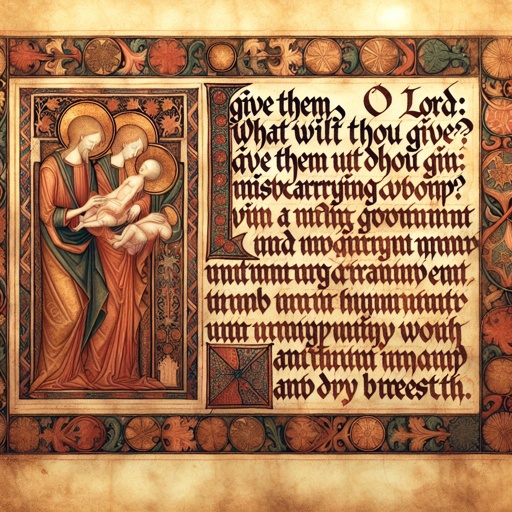
Hosea 9:14 - "Give them, O LORD: what wilt thou give? give them a miscarrying womb and dry breasts."

Hosea 2:14-15 – "Therefore I am now going to allure her; I will lead her into the wilderness and speak tenderly to her."

Hosea 12:3 - "¶ He took his brother by the heel in the womb, and by his strength he had power with God:"

Hosea 11:3 - "I taught Ephraim also to go, taking them by their arms; but they knew not that I healed them."

Hosea 9:3 - "They shall not dwell in the LORD'S land; but Ephraim shall return to Egypt, and they shall eat unclean things in Assyria."

Hosea 3:2 - "So I bought her to me for fifteen pieces of silver, and for an homer of barley, and an half homer of barley:"
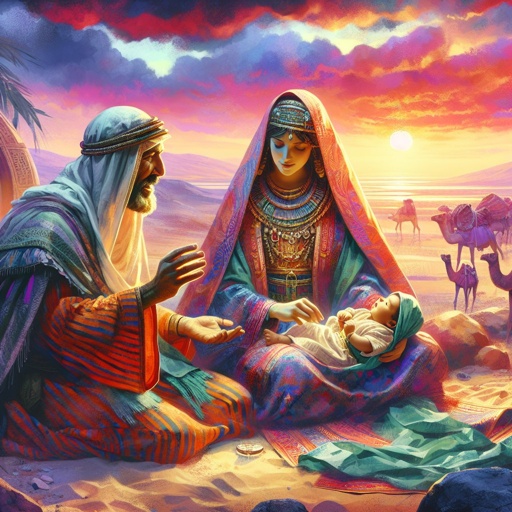
Hosea 1:3 - "So he went and took Gomer the daughter of Diblaim; which conceived, and bare him a son."
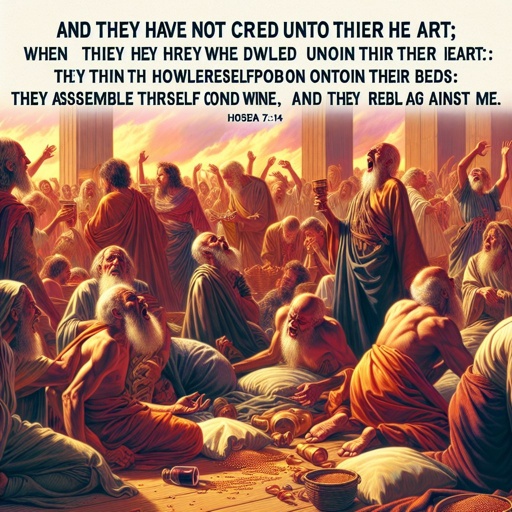
Hosea 7:14 - "And they have not cried unto me with their heart, when they howled upon their beds: they assemble themselves for corn and wine, and they rebel against me."
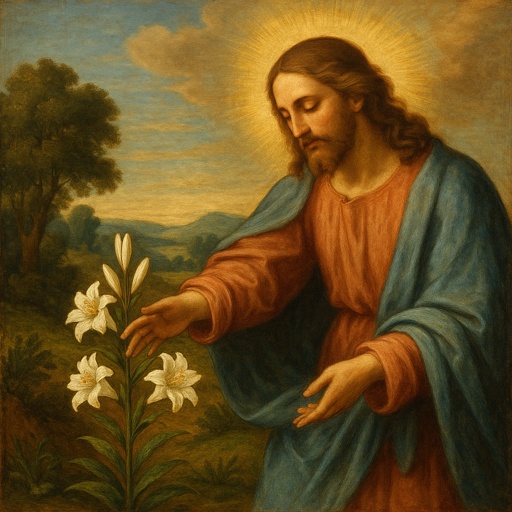
"I will be as the dew unto Israel: he shall grow as the lily, and cast forth his roots as Lebanon." - Hosea 14:5
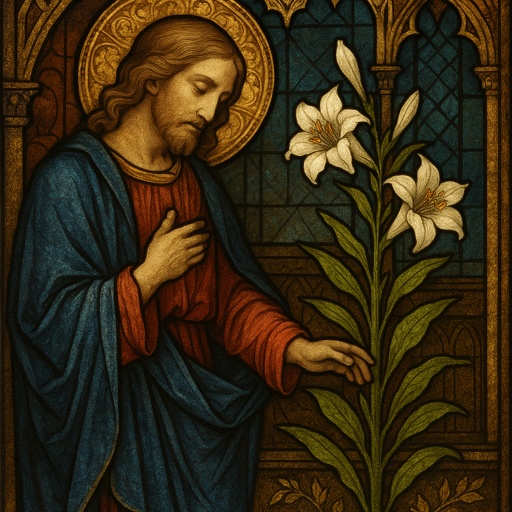
"I will be as the dew unto Israel: he shall grow as the lily, and cast forth his roots as Lebanon." - Hosea 14:5

Hosea 14:7 - "They that dwell under his shadow shall return; they shall revive as the corn, and grow as the vine: the scent thereof shall be as the wine of Lebanon."
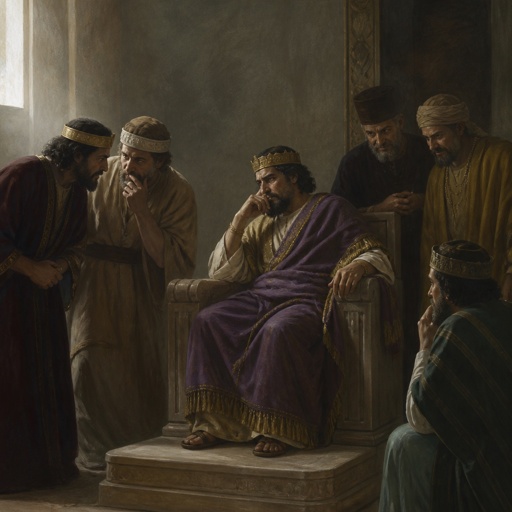
"They make the king glad with their wickedness, and the princes with their lies." - Hosea 7:3
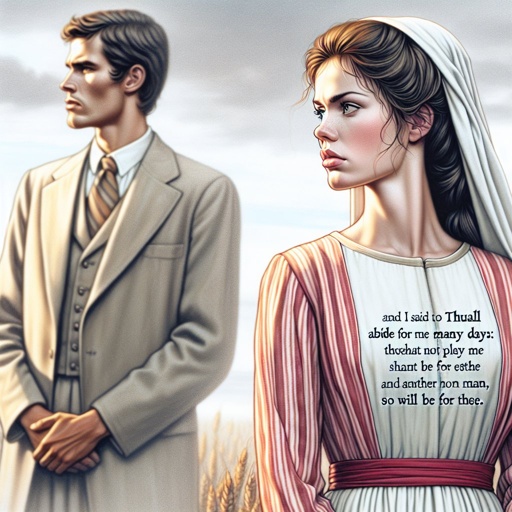
Hosea 3:3 - "And I said unto her, Thou shalt abide for me many days; thou shalt not play the harlot, and thou shalt not be for another man: so will I also be for thee."

Hosea 5:3 - "I know Ephraim, and Israel is not hid from me: for now, O Ephraim, thou committest whoredom, and Israel is defiled."

Hosea 10:3 - "For now they shall say, We have no king, because we feared not the LORD; what then should a king do to us?"

Hosea 14:2 - "Take with you words, and turn to the LORD: say unto him, Take away all iniquity, and receive us graciously: so will we render the calves of our lips."