The Promise of Harvest: Hope and Restoration in Hosea 6:11
“Also, O Judah, he hath set an harvest for thee, when I returned the captivity of my people.” — Hosea 6:11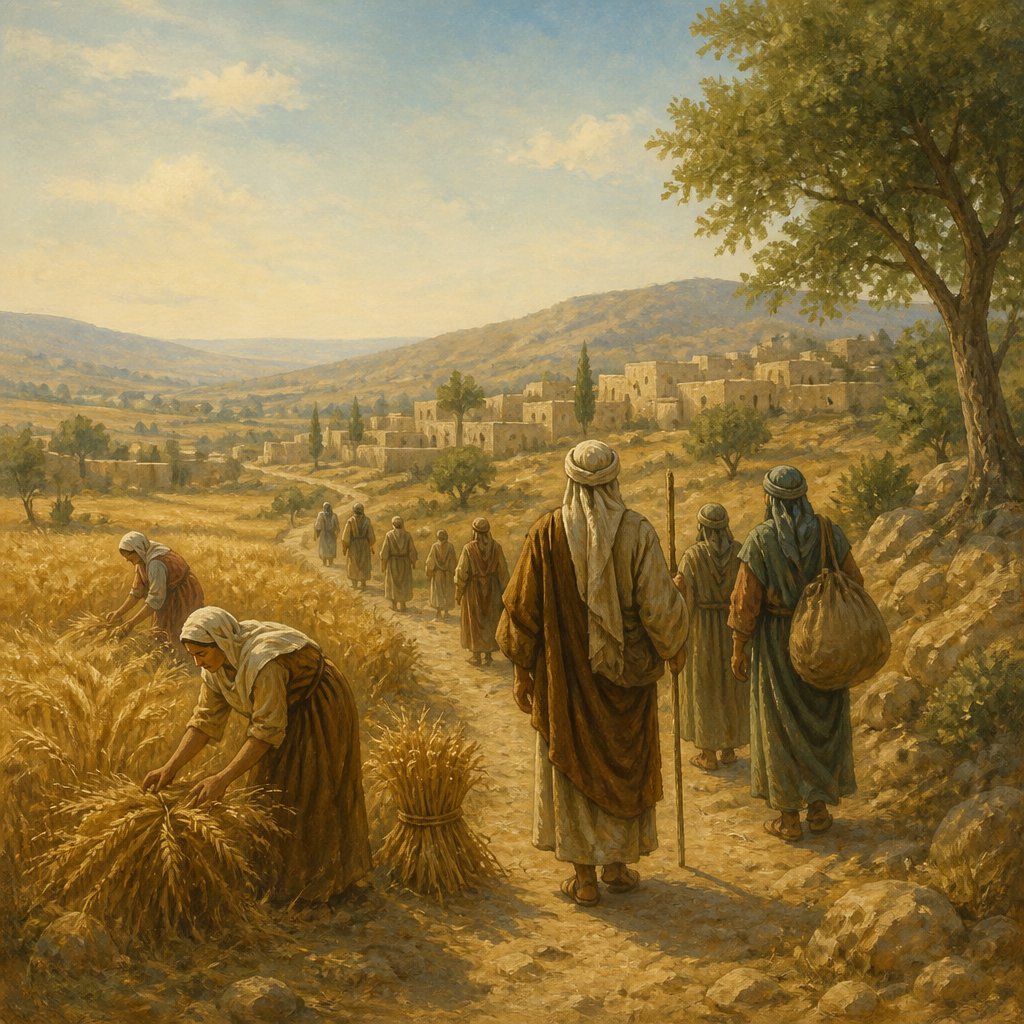
The book of Hosea unfolds a poignant narrative of love, betrayal, and divine faithfulness. Within these pages, God's passionate plea for His people reverberates with the echo of grace and judgment, depicting the intricate relationship between humanity and the Divine. In the midst of such turmoil and rebellion, the Lord issues a powerful proclamation in Hosea 6:11: "Also, O Judah, he hath set an harvest for thee, when I returned the captivity of my people." This powerful verse encapsulates hope—a hope that blooms amidst desolation and offers restoration to His people.
As we examine the context of Hosea, we must consider the historical backdrop of Israel's insubordination. The nation was grappling with idolatry and moral decay, having turned away from the worship of the true God. Yet, despite their waywardness, God’s heart burns with a desire for reconciliation. He speaks directly to Judah, indicating not just a promise but a profound commitment to their future. When we view our lives through the lens of hopelessness, God’s message is a compelling reminder that He remains sovereign and that His grace is unending.
The phrase "he hath set a harvest for thee" is rich with imagery and significance. Harvest traditionally symbolizes abundance, fruitfulness, and reward. In an agricultural society like that of ancient Israel, the harvest was a time of great celebration; it meant survival, provision, and the fulfillment of God’s promises. For Judah, the promise of harvest signifies not only a return to physical bounty but also a revitalization of their relationship with God. It serves as a metaphor for spiritual renewal following a period of judgment.
In our lives, how often do we find ourselves in seasons that feel barren? Times when we experience spiritual dryness or due to circumstances, feel trapped in a cycle of despair? Yet, akin to the dry valley of bones in Ezekiel 37, God desires to breathe life into our circumstances. This harvesting metaphor becomes a reminder that God, in His faithfulness, brings forth life from death and hope from despair. Through Christ, we understand that this promise of harvest is not just for the Jews alone but extends to all who believe in Him, where we too can partake in His gracious blessings.
The latter part of the verse—"when I returned the captivity of my people"—provides a deeper layer of meaning. This return from captivity is not just a physical liberation but also a profound spiritual recovery. It speaks of God’s initiative to bring His people back from a state of separation caused by sin. In the New Testament, we find this analogy perfectly fulfilled in Jesus’ work on the cross, liberating us from the bondage of sin and inviting us into a relationship characterized by His love.
As we reflect on this passage, there are several applications we can extract for our lives today:
1. **Embrace God’s Promises**: When we face challenges, we must hold onto His words and trust in His timing for restoration.
2. **Seek Spiritual Renewal**: Just as Judah was encouraged to return to God after their rebellion, we should continually seek ways to strengthen our relationship with Him, knowing that He stands ready to restore us.
3. **Participate in the Harvest**: Let us be active participants in God’s kingdom work, sharing the hope of the Gospel and acting as conduits of His grace for others, ensuring that His harvest extends into the lives of those around us.
In closing, Hosea 6:11 serves as a beacon of hope that transcends time. Just as Judah was called to expect a harvest following their repentance, we too are assured of the transformative restoration God promises through Christ. Let us prepare our hearts for that harvest, cultivating a spirit of expectation, gratitude, and active faith as we await His abundant blessings.
Get our apps


Artwork for Hosea 6:11

Hosea 6:11 - "Also, O Judah, he hath set an harvest for thee, when I returned the captivity of my people."
"Also, O Judah, he hath set an harvest for thee, when I returned the captivity of my people." - Hosea 6:11

Hosea 11:6 - "And the sword shall abide on his cities, and shall consume his branches, and devour them, because of their own counsels."

Hosea 6:6 - "For I desired mercy, and not sacrifice; and the knowledge of God more than burnt offerings."

"And the sword shall abide on his cities, and shall consume his branches, and devour them, because of their own counsels." - Hosea 11:6

Hosea 11:11 - "They shall tremble as a bird out of Egypt, and as a dove out of the land of Assyria: and I will place them in their houses, saith the LORD."

Hosea 6:8 - "Gilead is a city of them that work iniquity, and is polluted with blood."

Hosea 14:5-6 – "I will be like the dew to Israel; he will blossom like a lily."

Hosea 7:11 - "¶ Ephraim also is like a silly dove without heart: they call to Egypt, they go to Assyria."

Hosea 5:11 - "Ephraim is oppressed and broken in judgment, because he willingly walked after the commandment."

Hosea 6:7 - "But they like men have transgressed the covenant: there have they dealt treacherously against me."

Hosea 8:11 - "Because Ephraim hath made many altars to sin, altars shall be unto him to sin."

Hosea 11:3 - "I taught Ephraim also to go, taking them by their arms; but they knew not that I healed them."

Hosea 13:11 - "I gave thee a king in mine anger, and took him away in my wrath."

Hosea 11:1 - "When Israel was a child, then I loved him, and called my son out of Egypt."

Hosea 9:11 - "As for Ephraim, their glory shall fly away like a bird, from the birth, and from the womb, and from the conception."

Hosea 11:5 - "¶ He shall not return into the land of Egypt, but the Assyrian shall be his king, because they refused to return."

Hosea 12:11 - "Is there iniquity in Gilead? surely they are vanity: they sacrifice bullocks in Gilgal; yea, their altars are as heaps in the furrows of the fields."

Hosea 8:6 - "For from Israel was it also: the workman made it; therefore it is not God: but the calf of Samaria shall be broken in pieces."

Hosea 6:9 - "And as troops of robbers wait for a man, so the company of priests murder in the way by consent: for they commit lewdness."

Hosea 11:2 - "As they called them, so they went from them: they sacrificed unto Baalim, and burned incense to graven images."

Hosea 14:6 - "His branches shall spread, and his beauty shall be as the olive tree, and his smell as Lebanon."

Hosea 12:6 - "Therefore turn thou to thy God: keep mercy and judgment, and wait on thy God continually."

Hosea 13:6 - "According to their pasture, so were they filled; they were filled, and their heart was exalted; therefore have they forgotten me."

Hosea 11:12 - "Ephraim compasseth me about with lies, and the house of Israel with deceit: but Judah yet ruleth with God, and is faithful with the saints."
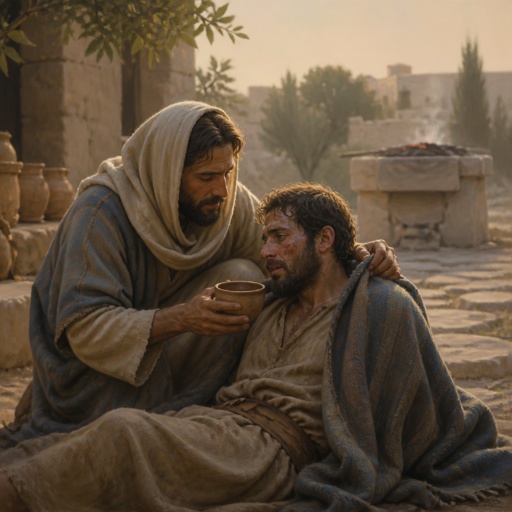
"For I desired mercy, and not sacrifice; and the knowledge of God more than burnt offerings." - Hosea 6:6

Hosea 2:6 - "¶ Therefore, behold, I will hedge up thy way with thorns, and make a wall, that she shall not find her paths."

Hosea 5:6 - "They shall go with their flocks and with their herds to seek the LORD; but they shall not find him; he hath withdrawn himself from them."
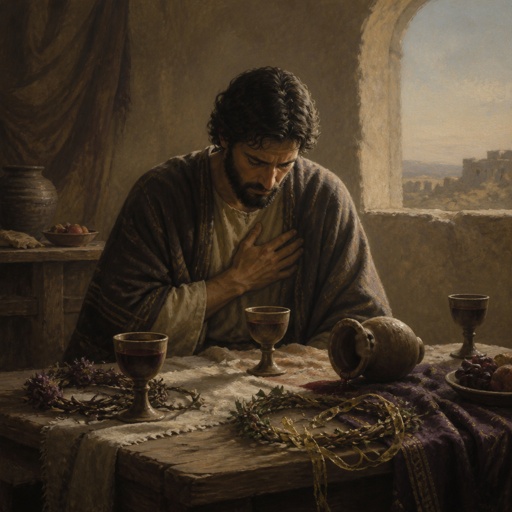
"Whoredom and wine and new wine take away the heart." - Hosea 4:11

Hosea 11:7 - "And my people are bent to backsliding from me: though they called them to the most High, none at all would exalt him."