The Fleeting Beauty of Goodness
“O Ephraim, what shall I do unto thee? O Judah, what shall I do unto thee? for your goodness is as a morning cloud, and as the early dew it goeth away.” — Hosea 6:4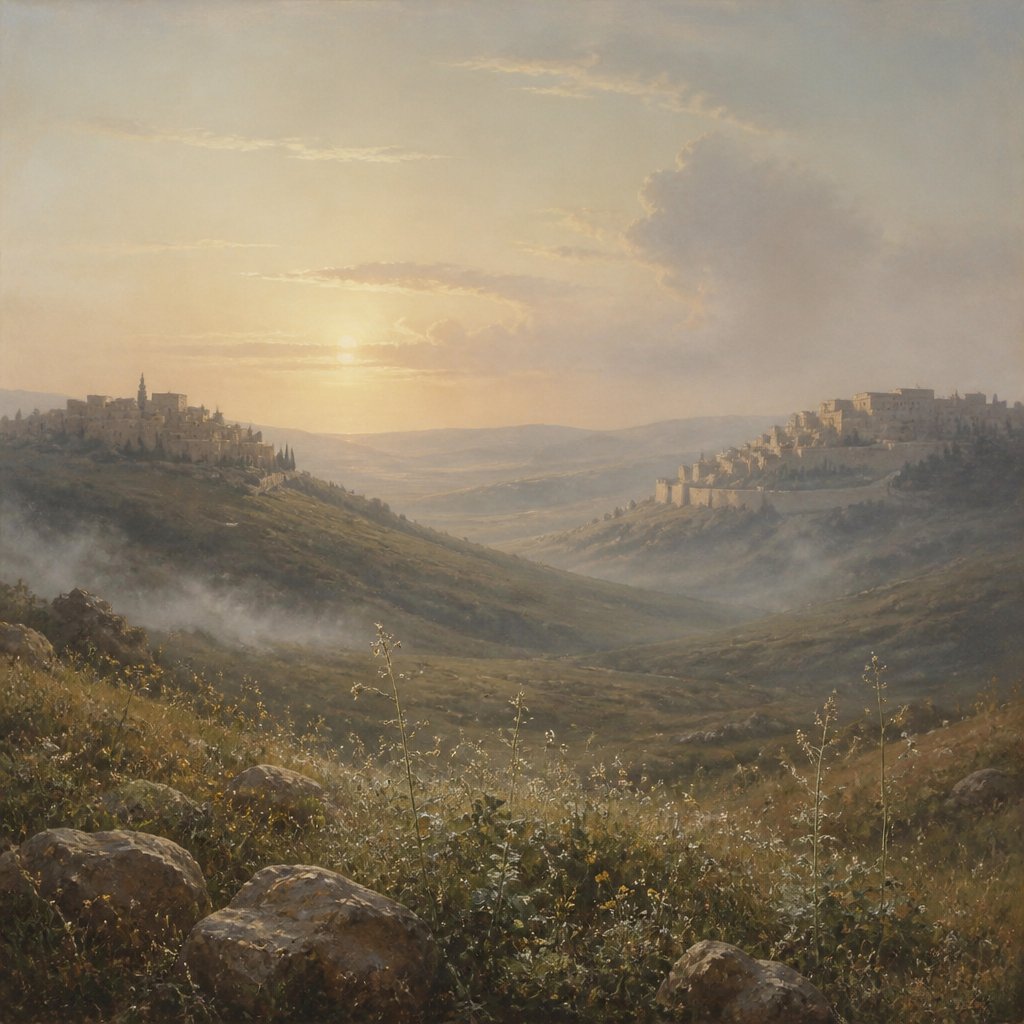
Hosea 6:4 in the King James Version echoes a poignant lament from the heart of God: "O Ephraim, what shall I do unto thee? O Judah, what shall I do unto thee? for your goodness is as a morning cloud, and as the early dew it goeth away." This verse encapsulates a profound truth about human nature—the fleeting and often superficial quality of our goodness when it is not rooted in a genuine relationship with God.
As we delve into the historical context, we find that Hosea was a prophet in ancient Israel, speaking during a time of moral decline and spiritual infidelity. The nation of Israel, represented by Ephraim, and Judah were caught in a cycle of turning away from God, engaging in idolatry and sin. God’s relationship with His people was marred by their unfaithfulness, yet His desire for reconciliation remained steadfast. The imagery of "morning cloud" and "early dew" conjures up a transient beauty—moments that appear promising but evaporate before they can nourish or sustain.
Consider the morning cloud; it brings an initial sense of hope and refreshment, yet it often dissipates as the sun rises, leaving the earth dry once more. Similarly, the "early dew" kisses the grass and flowers with a delicate touch but vanishes with the first light of day. God uses this metaphor to express His disappointment in the quick and insubstantial nature of Israel’s goodness, suggesting that their piety was not rooted in a profound relationship with Him but rather a superficial appearance of righteousness.
How does this verse resonate with us today? In our contemporary environment, we can easily identify with the patterns of behavior described by Hosea. Many of us can recall moments of conviction, when we may have actively pursued goodness, kindness, and righteousness. But how quickly do these moments fade? How often do we allow distractions, weariness, or the cares of life to overshadow our initial fervor for worship and righteousness?
This transient goodness raises crucial questions about the deeper nature of our motives. Are we performing acts of kindness because we seek to honor God or simply to receive praise from others? Are our good deeds a reflection of a heart aligned with God’s will, or are they merely superficial attempts to appease our conscience? The challenge set before us through Hosea’s words is to examine the consistency and depth of our relationship with God.
In contrast to the fleeting nature of our goodness, we are called to cultivate a faith that can endure. The Bible teaches us in James 1:17 that every good gift and perfect gift is from above, coming down from the Father of lights, with whom is no variableness, neither shadow of turning. When we rely on God’s strength and goodness rather than our own, we can produce lasting fruit in our lives. It is only through intimacy with Him—through prayer, scripture, and community—that our goodness can become a covenantal commitment rather than a temporary show.
God’s question, “What shall I do unto thee?” is not merely rhetorical; it poignantly reflects His longing for a responsive people. It invites us to contemplate how we can engage more deeply with Him, to move from fleeting acts of goodness to a lifestyle that faithfully mirrors His character. God is ever willing to restore. The key lies in our willingness to turn our hearts back to Him, to deepen our commitment, and to allow His love to transform us from the inside out.
Today, let us reflect on our own goodness. Is it fragile like the morning cloud or rooted in the steadfast love of Christ? May we seek not only to do good but to be good, empowered by the Holy Spirit, ensuring that our goodness remains steadfast like the sun that rises each day, illuminating the world with His light.
Get our apps


Artwork for Hosea 6:4

Hosea 6:4 - "¶ O Ephraim, what shall I do unto thee? O Judah, what shall I do unto thee? for your goodness is as a morning cloud, and as the early dew it goeth away."
"¶ O Ephraim, what shall I do unto thee? O Judah, what shall I do unto thee? for your goodness is as a morning cloud, and as the early dew it goeth away." - Hosea 6:4

Hosea 6:6 - "For I desired mercy, and not sacrifice; and the knowledge of God more than burnt offerings."

Hosea 4:6 - "¶ My people are destroyed for lack of knowledge: because thou hast rejected knowledge, I will also reject thee, that thou shalt be no priest to me: seeing thou hast forgotten the law of thy God, I will also forget thy children."

Hosea 4:4 - "Yet let no man strive, nor reprove another: for thy people are as they that strive with the priest."

Hosea 6:8 - "Gilead is a city of them that work iniquity, and is polluted with blood."

Hosea 14:5-6 – "I will be like the dew to Israel; he will blossom like a lily."

Hosea 4:17 - "Ephraim is joined to idols: let him alone."

Hosea 2:4 - "And I will not have mercy upon her children; for they be the children of whoredoms."

Hosea 6:7 - "But they like men have transgressed the covenant: there have they dealt treacherously against me."

Hosea 4:8 - "They eat up the sin of my people, and they set their heart on their iniquity."

Hosea 6:9 - "And as troops of robbers wait for a man, so the company of priests murder in the way by consent: for they commit lewdness."

Hosea 8:6 - "For from Israel was it also: the workman made it; therefore it is not God: but the calf of Samaria shall be broken in pieces."

Hosea 4:19 - "The wind hath bound her up in her wings, and they shall be ashamed because of their sacrifices."

Hosea 4:2 - "By swearing, and lying, and killing, and stealing, and committing adultery, they break out, and blood toucheth blood."

Hosea 14:6 - "His branches shall spread, and his beauty shall be as the olive tree, and his smell as Lebanon."

Hosea 12:6 - "Therefore turn thou to thy God: keep mercy and judgment, and wait on thy God continually."

Hosea 13:6 - "According to their pasture, so were they filled; they were filled, and their heart was exalted; therefore have they forgotten me."

Hosea 4:7 - "As they were increased, so they sinned against me: therefore will I change their glory into shame."
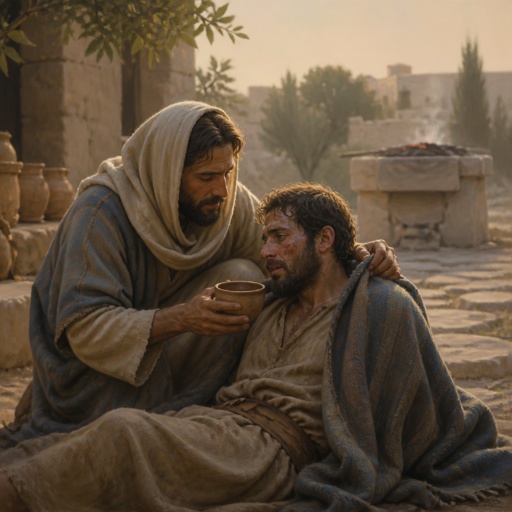
"For I desired mercy, and not sacrifice; and the knowledge of God more than burnt offerings." - Hosea 6:6

Hosea 4:16 - "For Israel slideth back as a backsliding heifer: now the LORD will feed them as a lamb in a large place."

Hosea 4:9 - "And there shall be, like people, like priest: and I will punish them for their ways, and reward them their doings."

Hosea 14:4 - "¶ I will heal their backsliding, I will love them freely: for mine anger is turned away from him."

Hosea 5:6 - "They shall go with their flocks and with their herds to seek the LORD; but they shall not find him; he hath withdrawn himself from them."

Hosea 2:6 - "¶ Therefore, behold, I will hedge up thy way with thorns, and make a wall, that she shall not find her paths."

Hosea 11:6 - "And the sword shall abide on his cities, and shall consume his branches, and devour them, because of their own counsels."

Hosea 6:11 - "Also, O Judah, he hath set an harvest for thee, when I returned the captivity of my people."
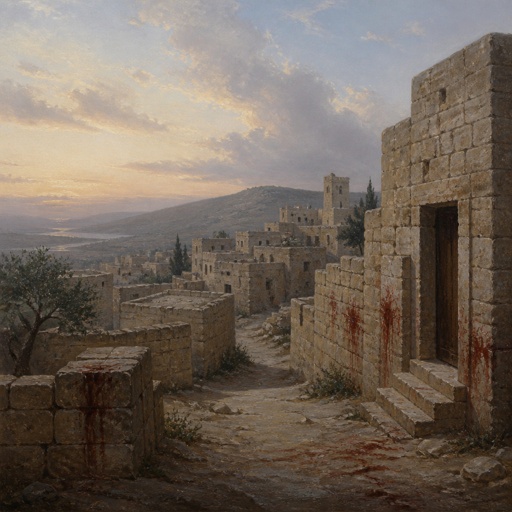
"Gilead is a city of them that work iniquity, and is polluted with blood." - Hosea 6:8
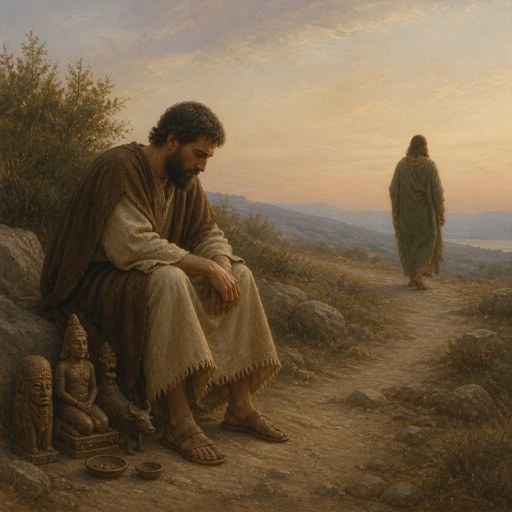
"Ephraim is joined to idols: let him alone." - Hosea 4:17

Hosea 10:4 - "They have spoken words, swearing falsely in making a covenant: thus judgment springeth up as hemlock in the furrows of the field."