The Solemnity of Our Feasts: Reflecting on Hosea 9:5
“What will ye do in the solemn day, and in the day of the feast of the LORD?” — Hosea 9:5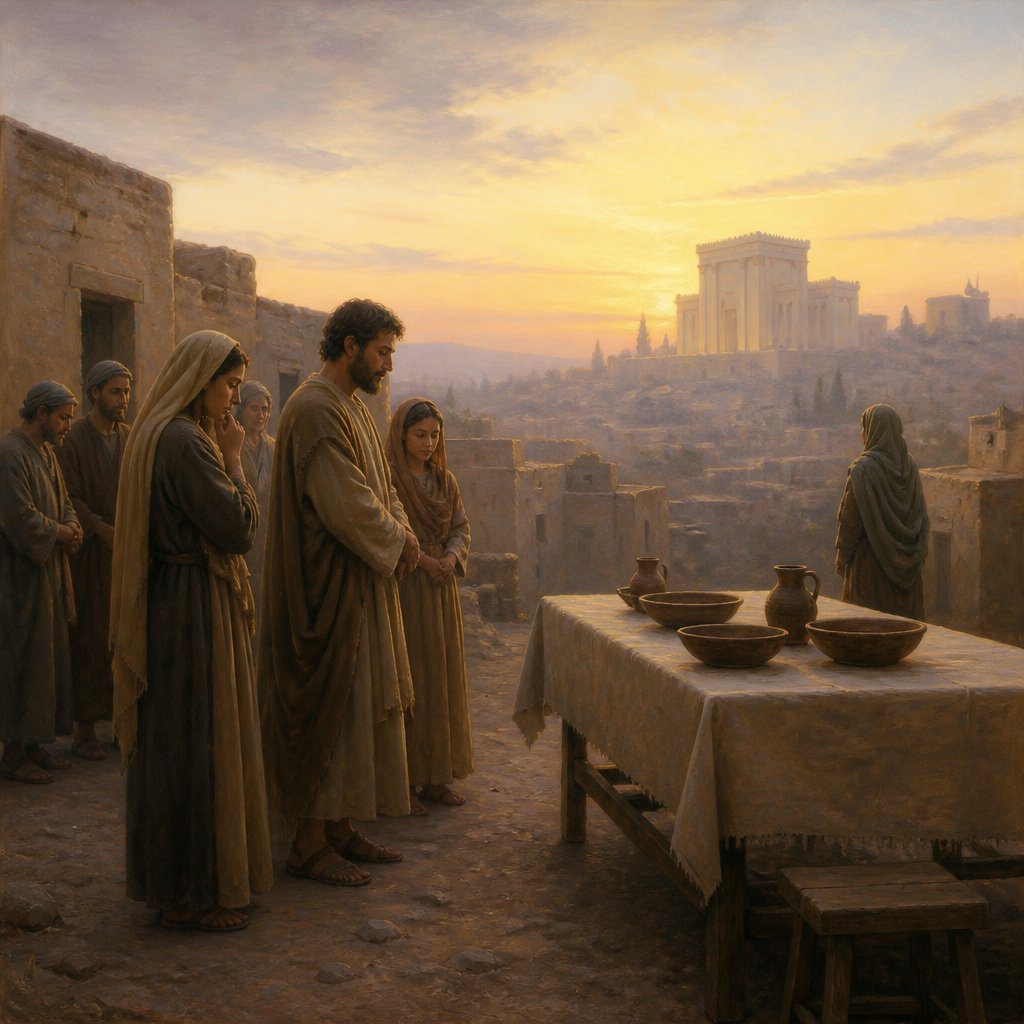
In the Book of Hosea, the prophet cries out to the people of Israel, urging them to return to the Lord amidst their unfaithfulness and rebellion. His poignant question in Hosea 9:5 resonates through the ages: "What will ye do in the solemn day, and in the day of the feast of the LORD?" This verse invites us to consider the depth of our commitments to God, especially during times of worship and celebration, and challenges us to examine our hearts regarding the sincerity of our relationship with Him.
To fully grasp the weight of this question, we must first understand the context in which it was posed. In Hosea’s time, Israel had turned away from God and indulged in idolatry, seeking fulfillment in temporary pleasures rather than the lasting joy found in obedience to God. Consequently, their feasts, which were meant to be celebrations of God’s goodness, often became mere formalities devoid of true worship. The solemn day refers to moments of serious reflection and accountability. In contrast, the day of the feast of the Lord indicates occasions when the Israelites gathered to celebrate God's provision and presence. Yet, both endowed with spiritual significance, were overshadowed by their sin.
As we ponder Hosea 9:5, we can ask ourselves: What are our hearts posturing towards during our own solemn days and feasts? When we gather in church on Sundays, engage in prayer, or partake in communion, are we approaching these moments with reverence and sincerity? Or have these sacred events become routine and empty rituals?
Moreover, it’s essential to recognize that the question posed by the Lord through Hosea serves as a wake-up call. It nudges us to approach God’s feasts with true devotion. In the modern world, the feasts might translate to our personal times of worship, whether we are celebrating Easter, Christmas, or weekly Sunday services. These moments should not merely be marked on our calendars but etched in our hearts as opportunities to encounter the living God. The way we engage with these occasions speaks volumes about our relationship with Him.
Hosea’s plea is timeless; it transcends cultural and historical boundaries. Every generation faces the temptation of drifting from authentic faith and substituting it with outward appearances. When God asks, "What will ye do?" He is not merely curious but is summoning us to a certainty—to actively choose.
In our preparation for these solemn days or feasts, we must first engage in self-reflection. Are we living in a manner that honors God? Are we truly aware of the weight of our worship, or have we diluted it with apathy? As Isaiah 29:13 reminds us, "This people draweth nigh unto me with their mouth, and with their lips do honour me, but have removed their heart far from me, and their fear toward me is taught by the precept of men." How often do we find ourselves guilty of this?
Responding to the solemn call of the Lord, we must cultivate a heart that seeks after Him genuinely. It is an invitation to a deeper spiritual exploration—to grasp the significance of our gatherings, our prayer times, and the feasts designed for commemoration of His goodness.
In our fast-paced lives, let us not disregard the beauty of solemnity in our worship. When we come before God to celebrate, may we do so with a demeanor that echoes sincerity, reverence, and joy. Let Hosea's question resonate within us, stirring us towards a renewed commitment to honor God in every solemn day and feast of the Lord. Through this, our worship can transform from mere tradition into a meaningful expression of love and gratitude toward our Creator.
Get our apps


Artwork for Hosea 9:5

Hosea 9:5 - "What will ye do in the solemn day, and in the day of the feast of the LORD?"
"What will ye do in the solemn day, and in the day of the feast of the LORD?" - Hosea 9:5

Hosea 5:9 - "Ephraim shall be desolate in the day of rebuke: among the tribes of Israel have I made known that which shall surely be."

Hosea 3:1-5

Hosea 9:9 - "They have deeply corrupted themselves, as in the days of Gibeah: therefore he will remember their iniquity, he will visit their sins."

Hosea 12:5 - "Even the LORD God of hosts; the LORD is his memorial."
"Ephraim shall be desolate in the day of rebuke: among the tribes of Israel have I made known that which shall surely be." - Hosea 5:9

Hosea 1:2-11;2:14;3:5

Hosea 5:12 - "Therefore will I be unto Ephraim as a moth, and to the house of Judah as rottenness."

Hosea 13:5 - "¶ I did know thee in the wilderness, in the land of great drought."

Hosea 14:5-6 – "I will be like the dew to Israel; he will blossom like a lily."

Hosea 13:9 - "¶ O Israel, thou hast destroyed thyself; but in me is thine help."
Hosea 5:5 - "And the pride of Israel doth testify to his face: therefore shall Israel and Ephraim fall in their iniquity; Judah also shall fall with them."

Hosea 1:5 - "And it shall come to pass at that day, that I will break the bow of Israel in the valley of Jezreel."

Hosea 9:2 - "The floor and the winepress shall not feed them, and the new wine shall fail in her."

Hosea 5:11 - "Ephraim is oppressed and broken in judgment, because he willingly walked after the commandment."

Hosea 6:9 - "And as troops of robbers wait for a man, so the company of priests murder in the way by consent: for they commit lewdness."

Hosea 5:2 - "And the revolters are profound to make slaughter, though I have been a rebuker of them all."

Hosea 8:9 - "For they are gone up to Assyria, a wild ass alone by himself: Ephraim hath hired lovers."

Hosea 1:9 - "Then said God, Call his name Lo-ammi: for ye are not my people, and I will not be your God."

Hosea 9:3 - "They shall not dwell in the LORD'S land; but Ephraim shall return to Egypt, and they shall eat unclean things in Assyria."

Hosea 9:11 - "As for Ephraim, their glory shall fly away like a bird, from the birth, and from the womb, and from the conception."

Hosea 4:9 - "And there shall be, like people, like priest: and I will punish them for their ways, and reward them their doings."

Hosea 11:5 - "¶ He shall not return into the land of Egypt, but the Assyrian shall be his king, because they refused to return."

Hosea 9:13 - "Ephraim, as I saw Tyrus, is planted in a pleasant place: but Ephraim shall bring forth his children to the murderer."

Hosea 9:17 - "My God will cast them away, because they did not hearken unto him: and they shall be wanderers among the nations."

Hosea 9:8 - "The watchman of Ephraim was with my God: but the prophet is a snare of a fowler in all his ways, and hatred in the house of his God."

Hosea 14:5 - "I will be as the dew unto Israel: he shall grow as the lily, and cast forth his roots as Lebanon."
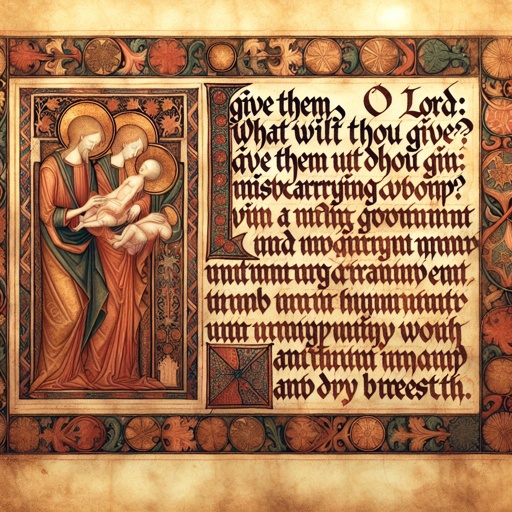
Hosea 9:14 - "Give them, O LORD: what wilt thou give? give them a miscarrying womb and dry breasts."

Hosea 5:8 - "Blow ye the cornet in Gibeah, and the trumpet in Ramah: cry aloud at Beth-aven, after thee, O Benjamin."