The Thorns of Abandonment: A Reflection on Hosea 9:6
“For, lo, they are gone because of destruction: Egypt shall gather them up, Memphis shall bury them: the pleasant places for their silver, nettles shall possess them: thorns shall be in their tabernacles.” — Hosea 9:6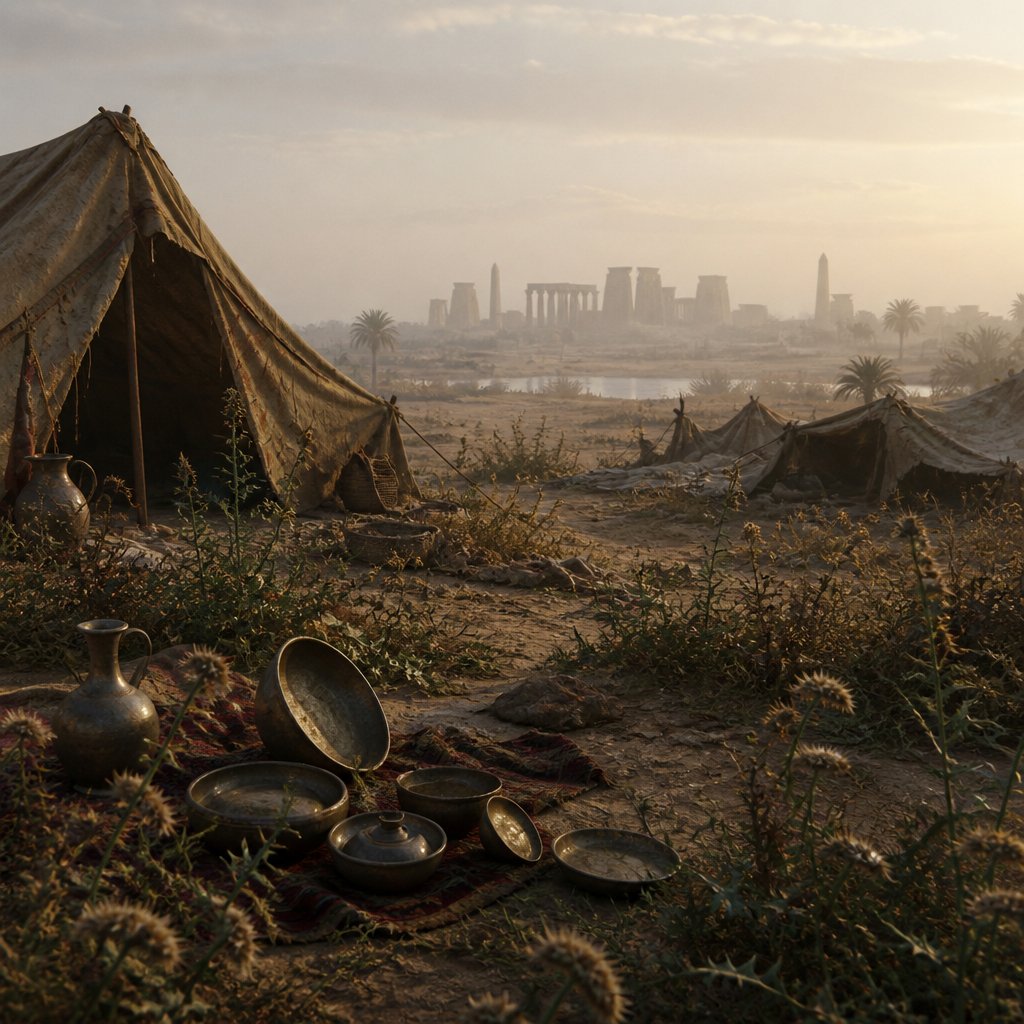
The ink on the scroll is barely dry and yet the words of Hosea resonate with a haunting truth that echoes through time: "For, lo, they are gone because of destruction: Egypt shall gather them up, Memphis shall bury them: the pleasant places for their silver, nettles shall possess them: thorns shall be in their tabernacles." (Hosea 9:6 KJV) In this verse, we find a profound cry of both judgment and lament, directed at a people who have wandered from their covenant with God.
To understand the depths of this passage, we must first remember the context of Hosea's message. He writes during a period where Israel's faithfulness had waned, and idolatry reigned in the hearts of the people. The lush, abundant land that was once a symbol of God’s blessings had become a graveyard of desolation. The Israelites engaged in the worship of Baal, innocent offerings turned into the very sources of their destruction as they sought favor from foreign gods rather than their Creator.
The phrase, "they are gone because of destruction," starkly illustrates the inevitability of their fate. Destruction here is not just physical; it also speaks to spiritual decay. The people have turned their backs on Jehovah, breaking their covenantal relationship, which leads to their downfall. They have traded the everlasting for the ephemeral, choosing the fleeting pleasures of sin and leaving their heritage behind. In the way a spider weaves its web, drawing in the unsuspecting, their choices were leading them deeper into a perilous and destructive cycle.
"Egypt shall gather them up, Memphis shall bury them" paints a stark picture of captivity and loss. It reminds us of their oppressive past—in Egypt, they were once slaves, and now they would return to that land not as victors but as casualties of their own folly. In this imagery, we see a God forsaken people, caught in the grips of their iniquities, facing the consequences of their disobedience. Egypt, symbolic of their bondage, does not forget to claim them once more, highlighting the cyclic nature of sin and the enslaving power it holds.
The latter part of the verse—that the "pleasant places for their silver, nettles shall possess them: thorns shall be in their tabernacles"—unfolds a somber picture of ruined prosperity. Here, Hosea captures a stark paradox. The places where there was once joy and abundance, where silver and gold adorned their lives as blessings, are now overrun with nettles and thorns, suggesting decay, pain, and strife. The imagery of thorns is particularly poignant; it symbolizes the difficulties and trials that arise from a life disconnected from God.
In application, we ask ourselves: what thorns have begun to grow in our own lives? Are there areas where we have exchanged our spiritual birthright for something far less? Just as the Israelites saw their beautiful land littered with nettles, we can find every joy turned sour without the steadfast love of God. In the pleasant places of our lives—our homes, our relationships, our pursuits—are we allowing the things of this world to sprout thorns? Thorns of greed, lust, pride, and bitterness?
The thorns serve as a reminder that without divine intervention, our choices lead us to bondage. But there is hope: the same God who issued the warning through Hosea is the one who extends grace. He beckons us back to Him, invites us to uproot the thorns and nettles through repentance and restoration, and to return to the path of righteousness. In Him, the bitterness can turn sweet, and the desolate places of our lives can once again flourish with His presence and love.
As we meditate on Hosea 9:6, let us reflect deeply on the state of our own spiritual and practical lives. May we strive to remove the thorns and nettles, seeking instead the lush garden that God's grace creates in the hearts of those who turn back to Him.
Get our apps


Artwork for Hosea 9:6

Hosea 9:6 - "For, lo, they are gone because of destruction: Egypt shall gather them up, Memphis shall bury them: the pleasant places for their silver, nettles shall possess them: thorns shall be in their tabernacles."
"For, lo, they are gone because of destruction: Egypt shall gather them up, Memphis shall bury them: the pleasant places for their silver, nettles shall possess them: thorns shall be in their tabernacles." - Hosea 9:6

Hosea 6:9 - "And as troops of robbers wait for a man, so the company of priests murder in the way by consent: for they commit lewdness."
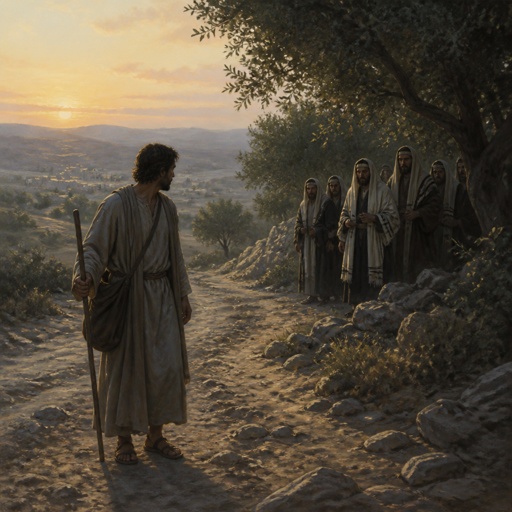
"And as troops of robbers wait for a man, so the company of priests murder in the way by consent: for they commit lewdness." - Hosea 6:9

Hosea 6:6 - "For I desired mercy, and not sacrifice; and the knowledge of God more than burnt offerings."

Hosea 9:9 - "They have deeply corrupted themselves, as in the days of Gibeah: therefore he will remember their iniquity, he will visit their sins."

Hosea 6:8 - "Gilead is a city of them that work iniquity, and is polluted with blood."

Hosea 14:5-6 – "I will be like the dew to Israel; he will blossom like a lily."

Hosea 13:9 - "¶ O Israel, thou hast destroyed thyself; but in me is thine help."

Hosea 9:5 - "What will ye do in the solemn day, and in the day of the feast of the LORD?"

Hosea 6:7 - "But they like men have transgressed the covenant: there have they dealt treacherously against me."

Hosea 9:2 - "The floor and the winepress shall not feed them, and the new wine shall fail in her."

Hosea 8:9 - "For they are gone up to Assyria, a wild ass alone by himself: Ephraim hath hired lovers."
Hosea 1:9 - "Then said God, Call his name Lo-ammi: for ye are not my people, and I will not be your God."

Hosea 9:3 - "They shall not dwell in the LORD'S land; but Ephraim shall return to Egypt, and they shall eat unclean things in Assyria."

Hosea 9:11 - "As for Ephraim, their glory shall fly away like a bird, from the birth, and from the womb, and from the conception."

Hosea 8:6 - "For from Israel was it also: the workman made it; therefore it is not God: but the calf of Samaria shall be broken in pieces."

Hosea 4:9 - "And there shall be, like people, like priest: and I will punish them for their ways, and reward them their doings."

Hosea 9:13 - "Ephraim, as I saw Tyrus, is planted in a pleasant place: but Ephraim shall bring forth his children to the murderer."

Hosea 9:17 - "My God will cast them away, because they did not hearken unto him: and they shall be wanderers among the nations."

Hosea 9:8 - "The watchman of Ephraim was with my God: but the prophet is a snare of a fowler in all his ways, and hatred in the house of his God."

Hosea 14:6 - "His branches shall spread, and his beauty shall be as the olive tree, and his smell as Lebanon."

Hosea 12:6 - "Therefore turn thou to thy God: keep mercy and judgment, and wait on thy God continually."

Hosea 13:6 - "According to their pasture, so were they filled; they were filled, and their heart was exalted; therefore have they forgotten me."

Hosea 5:9 - "Ephraim shall be desolate in the day of rebuke: among the tribes of Israel have I made known that which shall surely be."
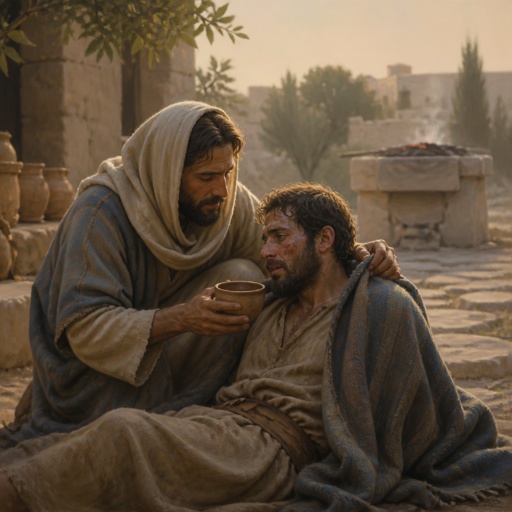
"For I desired mercy, and not sacrifice; and the knowledge of God more than burnt offerings." - Hosea 6:6
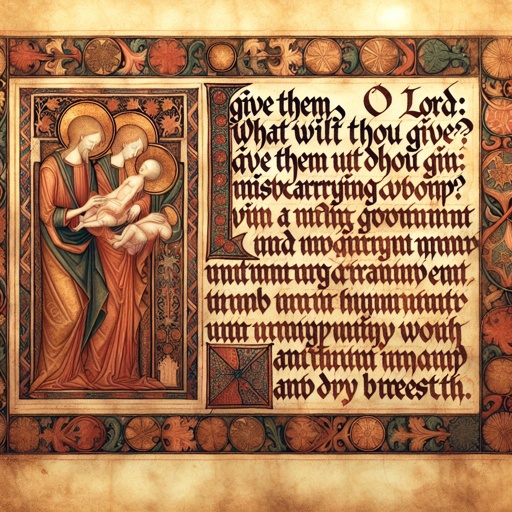
Hosea 9:14 - "Give them, O LORD: what wilt thou give? give them a miscarrying womb and dry breasts."

Hosea 7:9 - "Strangers have devoured his strength, and he knoweth it not: yea, gray hairs are here and there upon him, yet he knoweth not."

Hosea 12:9 - "And I that am the LORD thy God from the land of Egypt will yet make thee to dwell in tabernacles, as in the days of the solemn feast."

Hosea 5:6 - "They shall go with their flocks and with their herds to seek the LORD; but they shall not find him; he hath withdrawn himself from them."