A Call to Righteousness: Embracing the Heart of Justice
“Learn to do well; seek judgment, relieve the oppressed, judge the fatherless, plead for the widow.” — Isaiah 1:17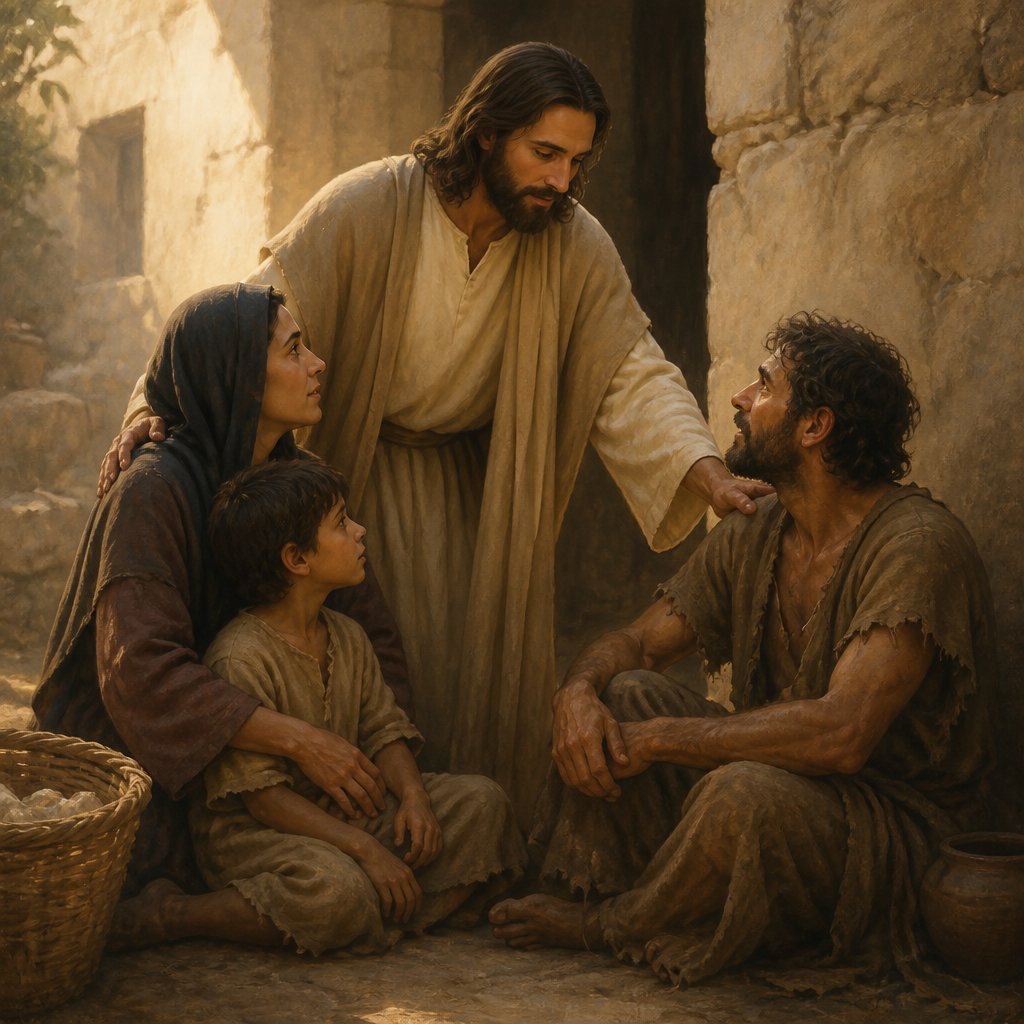
Isaiah 1:17 states, “Learn to do well; seek judgment, relieve the oppressed, judge the fatherless, plead for the widow.” This verse, rich in its call to action, encapsulates God's desire for His people to embody righteousness in their daily lives. This scripture urges us not only to understand what is right but also to engage in acts of mercy and justice that reflect the heart of God. In understanding this verse, we must explore the meanings of each phrase, as each carries weight and responsibility.
First, the call to "Learn to do well" emphasizes that doing good requires intentionality and education. In our spiritual walk, it is vital to continuously seek knowledge and understanding of God’s word. The Scriptures are a wellspring of wisdom and teach us how to live a life pleasing to God. We must actively choose to learn, drawing nearer to Him through prayer, worship, and the study of the Bible. By engaging with God’s teachings, we equip ourselves to recognize right from wrong and to discern how to act justly in various situations around us.
Next, we see the exhortation to "seek judgment." This is not merely a pursuit of legal justice but a deeper yearning for the establishment of God’s kingdom principles in our communities. To seek judgment is to be advocates for fairness, truth, and righteousness. It implores us to look beyond our immediate circumstances and consider how we can influence society positively. How often do we walk past issues that require our involvement, turning a blind eye to injustices? Seeking judgment means actively addressing inequality, speaking truth to power, and advocating for what is right in our interactions with others.
The following imperative, "relieve the oppressed," challenges us to become agents of change. It compels us to recognize those who are vulnerable and marginalized. As followers of Christ, we are called to represent His compassion and love for all, especially for those who are unable to advocate for themselves. The oppressed can be found in various forms – the poor, the marginalized, the persecuted. To relieve the oppressed requires not just empathy but also tangible action. It may involve volunteering time, donating resources, or lending our voices to raise awareness. In our relief efforts, we serve as Christ’s hands and feet in a broken world.
The call to “judge the fatherless” adds another layer to our responsibility. In biblical times, the fatherless represented the most vulnerable in society – those without provision or protection. This can easily translate to our modern context, where many children grow up without parental support or guidance. To judge the fatherless means to advocate for their rights and champion their needs. It is an invitation to mentor, foster, or support initiatives aimed at providing security and hope for children in need. When we look after the fatherless, we mirror God’s heart for His children.
Finally, to "plead for the widow" resonates deeply in a culture where women often lacked rights and protection. This plea drives home the importance of standing up for those who are grieving and alone. In caring for widows, we extend compassion and practical support. We find ourselves opening our hearts and hands to those who bear burdens heavy with loss. In doing so, we encourage not just financial support, but emotional and spiritual care, embodying the love of Christ to those who feel abandoned or forgotten.
Thus, Isaiah 1:17 serves not only as a profound reminder of our moral obligations as believers but also as a blueprint for action. As we learn, seek, relieve, judge, and plead, we embody the very character of God. Let us then rise to the occasion, motivated by love and empowered by the Holy Spirit, to make a difference in the lives of those around us. May we not turn away from justice but actively participate in cultivating a world that mirrors the righteousness of God.
Get our apps


Artwork for Isaiah 1:17

Isaiah 1:17 - "Learn to do well; seek judgment, relieve the oppressed, judge the fatherless, plead for the widow."
"Learn to do well; seek judgment, relieve the oppressed, judge the fatherless, plead for the widow." - Isaiah 1:17
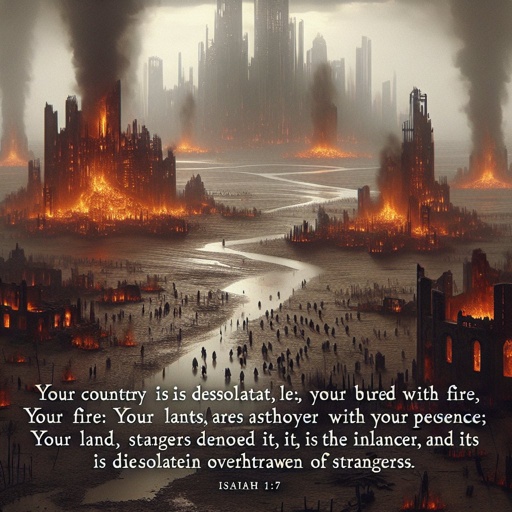
Isaiah 1:7 - "Your country is desolate, your cities are burned with fire: your land, strangers devour it in your presence, and it is desolate, as overthrown by strangers."

Isaiah 17:1 - "The burden of Damascus. Behold, Damascus is taken away from being a city, and it shall be a ruinous heap."

Isaiah 54:17

Isaiah 54:17

Isaiah 38:17
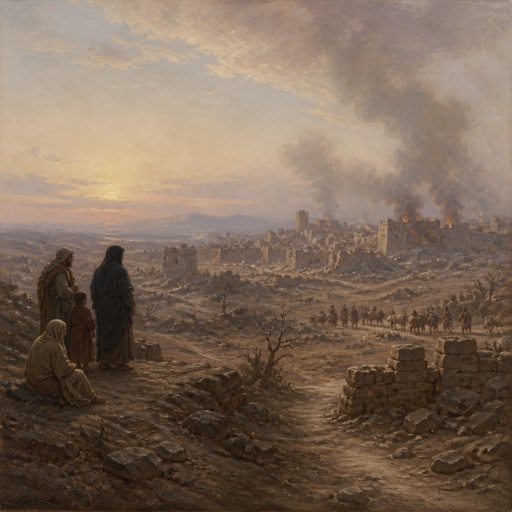
"Your country is desolate, your cities are burned with fire: your land, strangers devour it in your presence, and it is desolate, as overthrown by strangers." - Isaiah 1:7
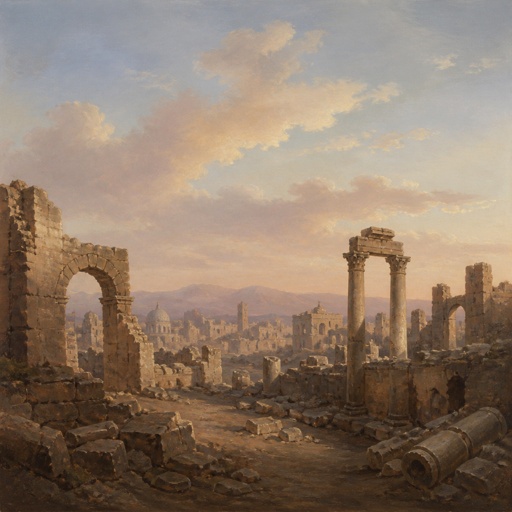
"The burden of Damascus. Behold, Damascus is taken away from being a city, and it shall be a ruinous heap." - Isaiah 17:1

Isaiah 24:17 - "Fear, and the pit, and the snare, are upon thee, O inhabitant of the earth."

Isaiah 32:17 - "And the work of righteousness shall be peace; and the effect of righteousness quietness and assurance for ever."

Isaiah 22:17 - "Behold, the LORD will carry thee away with a mighty captivity, and will surely cover thee."

Isaiah 14:17 - "That made the world as a wilderness, and destroyed the cities thereof; that opened not the house of his prisoners?"

Isaiah 40:17 - "All nations before him are as nothing; and they are counted to him less than nothing, and vanity."

Isaiah 3:17 - "Therefore the Lord will smite with a scab the crown of the head of the daughters of Zion, and the LORD will discover their secret parts."

Isaiah 5:17 - "Then shall the lambs feed after their manner, and the waste places of the fat ones shall strangers eat."

Isaiah 33:17 - "Thine eyes shall see the king in his beauty: they shall behold the land that is very far off."

Isaiah 65:17 - "¶ For, behold, I create new heavens and a new earth: and the former shall not be remembered, nor come into mind."

Isaiah 8:17 - "And I will wait upon the LORD, that hideth his face from the house of Jacob, and I will look for him."

Isaiah 29:17 - "Is it not yet a very little while, and Lebanon shall be turned into a fruitful field, and the fruitful field shall be esteemed as a forest?"

Isaiah 21:17 - "And the residue of the number of archers, the mighty men of the children of Kedar, shall be diminished: for the LORD God of Israel hath spoken it."

Isaiah 45:17 - "But Israel shall be saved in the LORD with an everlasting salvation: ye shall not be ashamed nor confounded world without end."

Isaiah 13:17 - "Behold, I will stir up the Medes against them, which shall not regard silver; and as for gold, they shall not delight in it."

Isaiah 17:2 - "The cities of Aroer are forsaken: they shall be for flocks, which shall lie down, and none shall make them afraid."

Isaiah 49:17 - "Thy children shall make haste; thy destroyers and they that made thee waste shall go forth of thee."

Isaiah 17:7 - "At that day shall a man look to his Maker, and his eyes shall have respect to the Holy One of Israel."
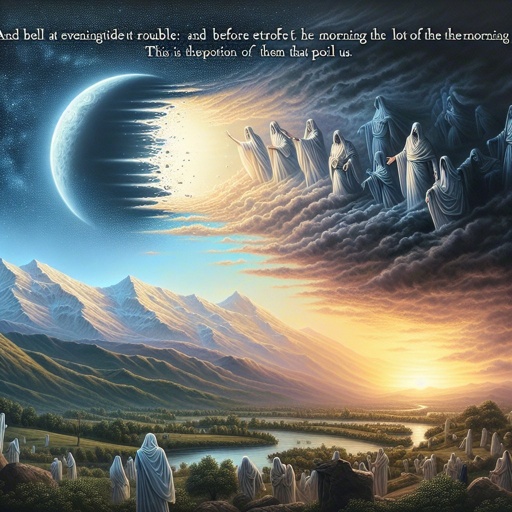
Isaiah 17:14 - "And behold at eveningtide trouble; and before the morning he is not. This is the portion of them that spoil us, and the lot of them that rob us."
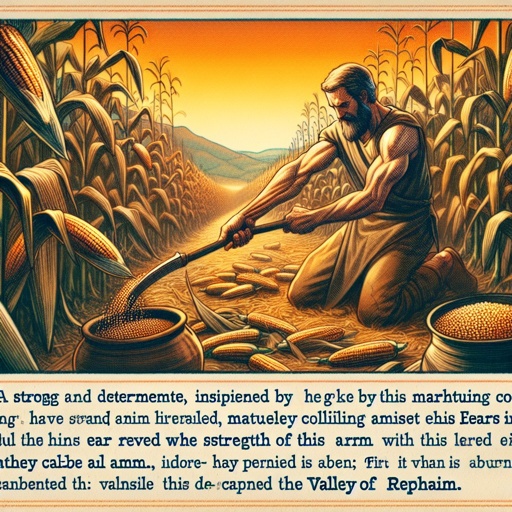
Isaiah 17:5 - "And it shall be as when the harvestman gathereth the corn, and reapeth the ears with his arm; and it shall be as he that gathereth ears in the valley of Rephaim."

Isaiah 2:17 - "And the loftiness of man shall be bowed down, and the haughtiness of men shall be made low: and the LORD alone shall be exalted in that day."

Isaiah 42:17 - "¶ They shall be turned back, they shall be greatly ashamed, that trust in graven images, that say to the molten images, Ye are our gods."