The Garment of Mourning: A Call to Repentance
“In their streets they shall gird themselves with sackcloth: on the tops of their houses, and in their streets, every one shall howl, weeping abundantly.” — Isaiah 15:3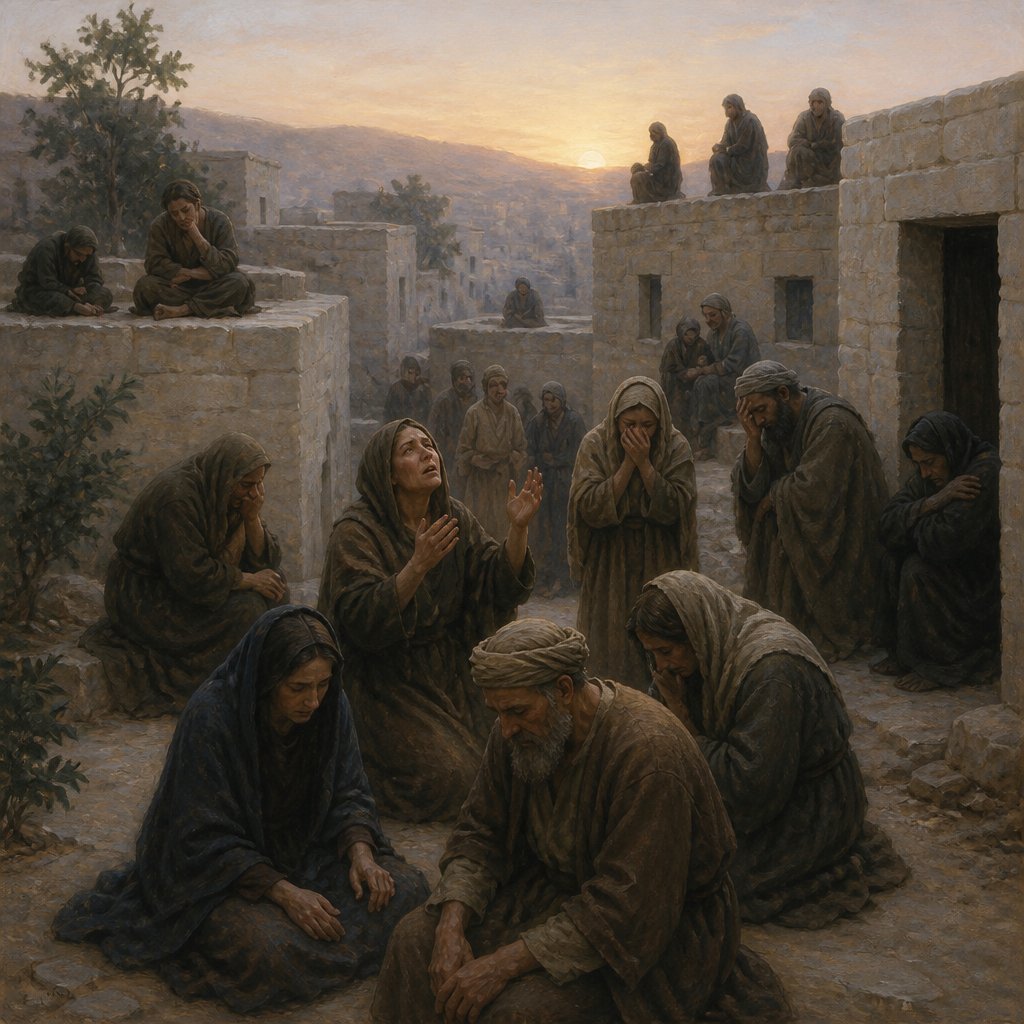
In the prophetic book of Isaiah, chapter 15, verse 3 declares: "In their streets they shall gird themselves with sackcloth: on the tops of their houses, and in their streets, every one shall howl, weeping abundantly." This vivid imagery of mourning and desperation serves as a powerful reminder of the weight and consequences of sin, as well as the beauty of repentance and the mercy that follows.
Sackcloth has long been a symbol of mourning and penitence in biblical times. Its coarse texture contrasts starkly with the soft fabrics we typically adorn ourselves with. When individuals donned sackcloth, especially in public, it was not mere fashion; it was an outward declaration of an inward condition – a profound grief for sin, a deep awareness of guilt, and an earnest desire for God’s mercy. In this verse, Isaiah paints a picture of collective grief which reflects not only individual sins but also the corporate sin of communities, a theme that resonates through the pages of scripture.
The context surrounding Isaiah’s prophecy highlights God’s judgment against Moab, a nation symbolically recognized for its pride and idolatry. As the prophecy unfolds, we see that God’s patience has run its course. He desires His people to return to Him, yet judgment is at hand. This moment, steeped in sorrow, is an invitation to acknowledge the depths of spiritual depravity and a call to realign with His righteousness.
The streets where people weep and howl represent a place of exposure and honesty. It’s not within the confines of their homes where they hide their grievances, but in the open air, where their cries echo into the heavens. This public display of grief symbolizes the gravity of their situation and the desperation of their plea for mercy. It leads us to reflect on our own lives – when was the last time we openly wept for our sins? When did we genuinely mourn over the offenses committed against our Holy God?
Such raw and unguarded vulnerability can feel alien in today’s world, where emotional displays are often met with skepticism or disdain. However, this passage encourages us to practice a heart posture that mirrors those in Isaiah's vision. God calls us to take a good hard look at our own lives and the lives of those around us. We are encouraged to recognize sin for what it is – an affront to a holy God – and to grieve it deeply. This acknowledgment serves not to instill a spirit of despair but rather to lead us to the feet of Christ, our Redeemer.
Mourning over our sin through the lens of scripture allows us to repent sincerely. True repentance is not merely feeling bad for our actions, but it involves a turn away from sin and a turn toward God. In the New Testament, we see this echoed as Jesus invites all who labor and are heavy laden to come to Him for rest (Matthew 11:28). The sackcloth that the people wore could also symbolize the burden of sin that Jesus invites us to cast off.
In our mourning, God promises restoration. The heaviness of sackcloth symbolizes the weight of sin, but it is through repentance that we find the lightness of His grace. We must not shy away from grieving over our transgressions but embrace it as an avenue to deeper communion with Christ. When we humble ourselves, girded with sacks of sorrow, we position ourselves to disciple hearts toward hope and renewal.
Let this verse lead us to reflect on our own condition. Are there areas in our lives that need mourning and repentance? Are we willing to gird ourselves with the humility of sackcloth, both personally and as a community? May we weep abundantly not just out of sorrow but to demonstrate our earnest desire for revival and restoration, inviting a transformative encounter with our living God.
Get our apps


Artwork for Isaiah 15:3

Isaiah 15:3 - "In their streets they shall gird themselves with sackcloth: on the tops of their houses, and in their streets, every one shall howl, weeping abundantly."
"In their streets they shall gird themselves with sackcloth: on the tops of their houses, and in their streets, every one shall howl, weeping abundantly." - Isaiah 15:3
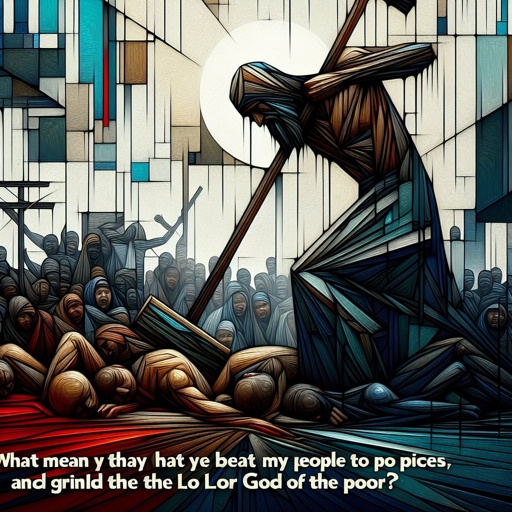
Isaiah 3:15 - "What mean ye that ye beat my people to pieces, and grind the faces of the poor? saith the Lord GOD of hosts."
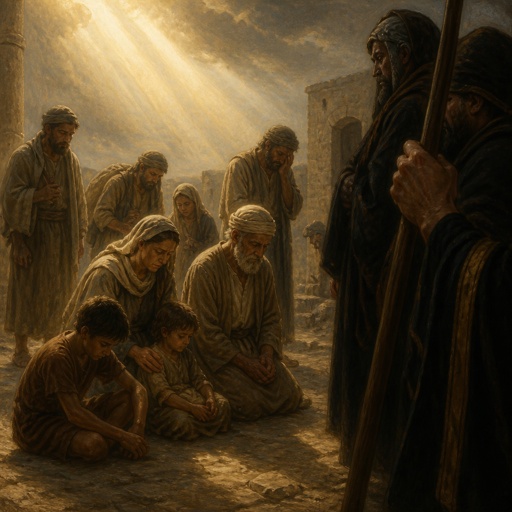
"What mean ye that ye beat my people to pieces, and grind the faces of the poor? saith the Lord GOD of hosts." - Isaiah 3:15

Isaiah 3:14-15 - "The LORD enters into judgment against the elders and leaders of his people: "It is you who have ruined my vineyard; the plunder from the poor is in your houses. What do you mean by crushing my people and grinding the faces of the poor?" declares the Lord, the LORD Almighty."

Isaiah 37:15 - "And Hezekiah prayed unto the LORD, saying,"

Isaiah 12:3
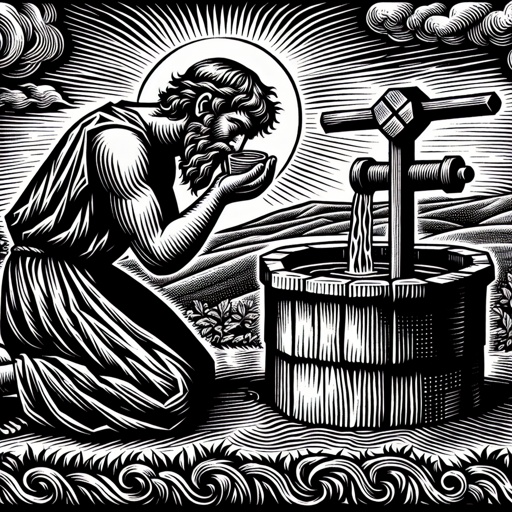
Isaiah 12:3

Isaiah 12:3

Isaiah 12:3

Isaiah 12:3

Isaiah 12:3

Isaiah 12:3

Isaiah 12:3

isaiah 44:3

Isaiah 12:3

Isaiah 12:3

Isaiah 12:3

Isaiah 12:3

Isaiah 12:3

Isaiah 12:3

Isaiah 12:3

Isaiah 26:3

Isaiah 12:3
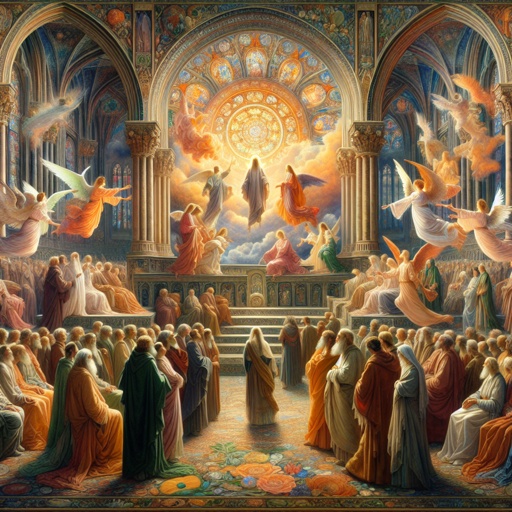
Isaiah 12:3

Isaiah 12:3

Isaiah 12:3

Isaiah 12:3

Isaiah 12:3

Isaiah 12:3