The Heart of Compassion: Crying for Moab
“My heart shall cry out for Moab; his fugitives shall flee unto Zoar, an heifer of three years old: for by the mounting up of Luhith with weeping shall they go it up; for in the way of Horonaim they shall raise up a cry of destruction.” — Isaiah 15:5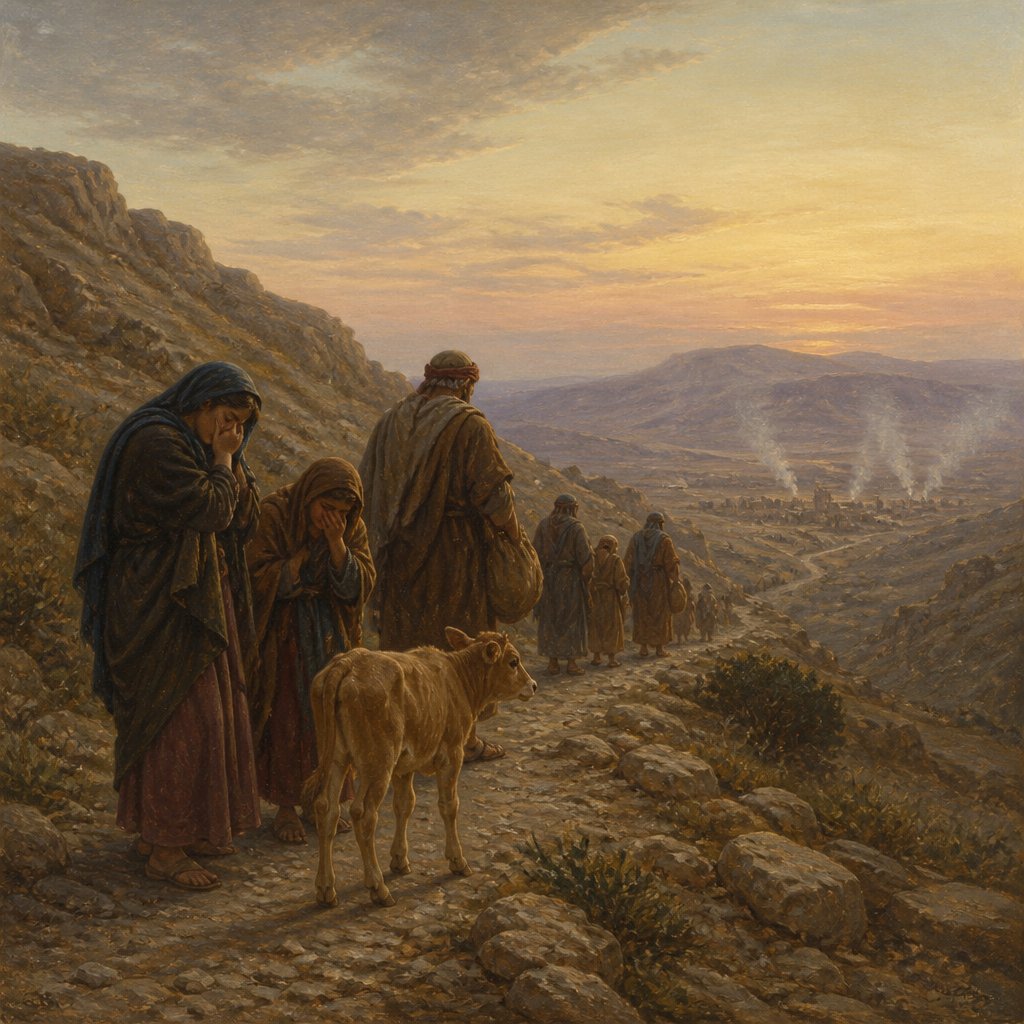
As we ponder the words of Isaiah 15:5, "My heart shall cry out for Moab; his fugitives shall flee unto Zoar, an heifer of three years old: for by the mounting up of Luhith with weeping shall they go it up; for in the way of Horonaim they shall raise up a cry of destruction," we enter a moment of solemn reflection on the nature of God's compassion, mercy, and justice. This verse paints a vivid picture of devastation and the human condition, a snapshot of despair, yet it also highlights a profound call to empathy.
The phrase "My heart shall cry out for Moab" indicates a deep emotional response to the suffering of a people. Moab, a land often depicted in Scripture as opposing Israel, is now under siege, facing destruction and exile. God’s heart, as conveyed through the prophet Isaiah, demonstrates that compassion transcends national boundaries and historical enmities. Here, the Lord expresses sorrow for the plight of a nation. This shows us that even when judgment is warranted, His heart remains tender towards the afflicted.
This brings to light an essential characteristic of God: His ability to feel profound compassion even in the face of judgment. As followers of Christ, we are encouraged to emulate this aspect of God’s character. Many times, we may find ourselves quick to condemn those who oppose us or who are in sin. Yet, this scripture reminds us that the heart of God weeps for them. How often do we genuinely cry out for those who are lost or separated from Him?
The image of the "fugitives" fleeing to Zoar is poignantly illustrative of desperation and urgency. Zoar, a city of refuge, symbolizes hope amidst chaos. As we read this verse, we should recognize that in our own lives, we may face moments of fleeing—whether from personal struggles, sin, or societal challenges. Just as the Moabites sought refuge, so too do we seek the solace of God’s protection, His ‘Zoar’ for our souls. When we realize our need for refuge, we must also remember to extend that same grace and safety to others who are fleeing from their own battles.
Isaiah's words also note that these fugitives will ascend “with weeping” as they make their way from Luhith to Horonaim. The imagery of climbing amidst weeping bespeaks the heavy burden of suffering. In our own spiritual journey, we too are often called to ascend, to rise above our circumstances, but this ascent is not without pain. It is through weeping that we are reminded of our fragility and the reality of suffering within the human experience. But, as believers, we find that tears can cultivate a deep reliance on God. They can lead us to greater intimacy with Him, calling us to trust in His purpose even when we don’t fully understand our path.
Moreover, the mention of a “cry of destruction” warns us that our actions carry consequences and that God notices when hearts grow hardened. This is a call for self-examination. Are there aspects of our lives or communities in which we have become desensitized to suffering and destruction? In what ways might God be prompting us to step in the gap for those around us? As we witness destruction—even spiritual or emotional—may we never become indifferent, but instead respond with prayer, empathy, and action.
In conclusion, Isaiah 15:5 is more than a lament for Moab; it is a powerful plea for the people of God to have a heart like His. Let us strive to foster hearts that cry out in compassion, engage with those in distress, and offer a pathway to refuge. May we be sensitive to the cries around us, and practice love and mercy without hesitation—this is the heart of God reflected in us. Let us cry out together, knowing that through our suffering and that of others, God’s profound love can be showcased and multiplied.
Get our apps


Artwork for Isaiah 15:5
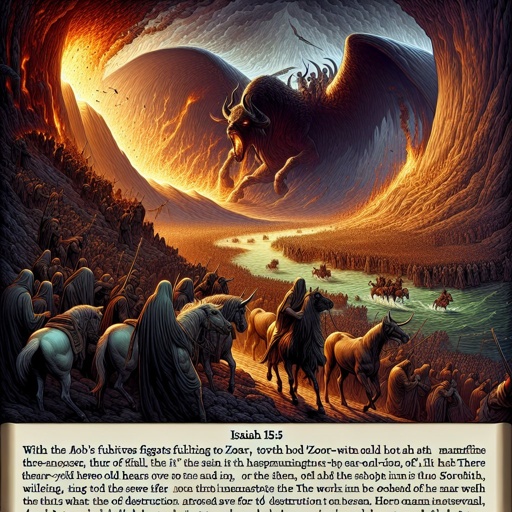
Isaiah 15:5 - "My heart shall cry out for Moab; his fugitives shall flee unto Zoar, an heifer of three years old: for by the mounting up of Luhith with weeping shall they go it up; for in the way of Horonaim they shall raise up a cry of destruction."
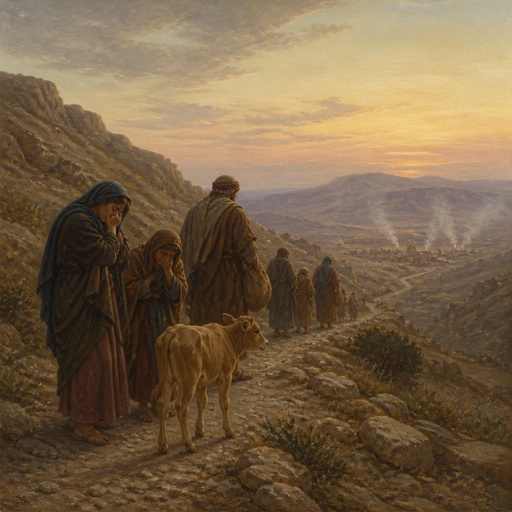
"My heart shall cry out for Moab; his fugitives shall flee unto Zoar, an heifer of three years old: for by the mounting up of Luhith with weeping shall they go it up; for in the way of Horonaim they shall raise up a cry of destruction." - Isaiah 15:5

Isaiah 5:15 - "And the mean man shall be brought down, and the mighty man shall be humbled, and the eyes of the lofty shall be humbled:"

"And the mean man shall be brought down, and the mighty man shall be humbled, and the eyes of the lofty shall be humbled:" - Isaiah 5:15

Isaiah 37:5 - "So the servants of king Hezekiah came to Isaiah."

Isaiah 39:5 - "Then said Isaiah to Hezekiah, Hear the word of the LORD of hosts:"

Isaiah 5:21

Isaiah 53:5

Isaiah 5:21

Isaiah 6:1-5

Isaiah 6:1-5

Isaiah 6:1-5

Isaiah 6:1-5

Isaiah 48:5

isaiah 5:14

Isaiah 48:5

Isaiah 48:5

Isaiah 6:5

Isaiah 6:5

Isaiah 48:5

Isaiah 37:15 - "And Hezekiah prayed unto the LORD, saying,"

Isaiah 45:5-6

"So the servants of king Hezekiah came to Isaiah." - Isaiah 37:5

Isaiah 45:5-6

Isaiah 56:3-5

John 15:5

Exodus 15:5

John 15:5

Isaiah 2:15 - "And upon every high tower, and upon every fenced wall,"

Isaiah 14:15 - "Yet thou shalt be brought down to hell, to the sides of the pit."