The Unfolding of God's Plan Amidst Turmoil
“In the year that Tartan came unto Ashdod, ( when Sargon the king of Assyria sent him,) and fought against Ashdod, and took it;” — Isaiah 20:1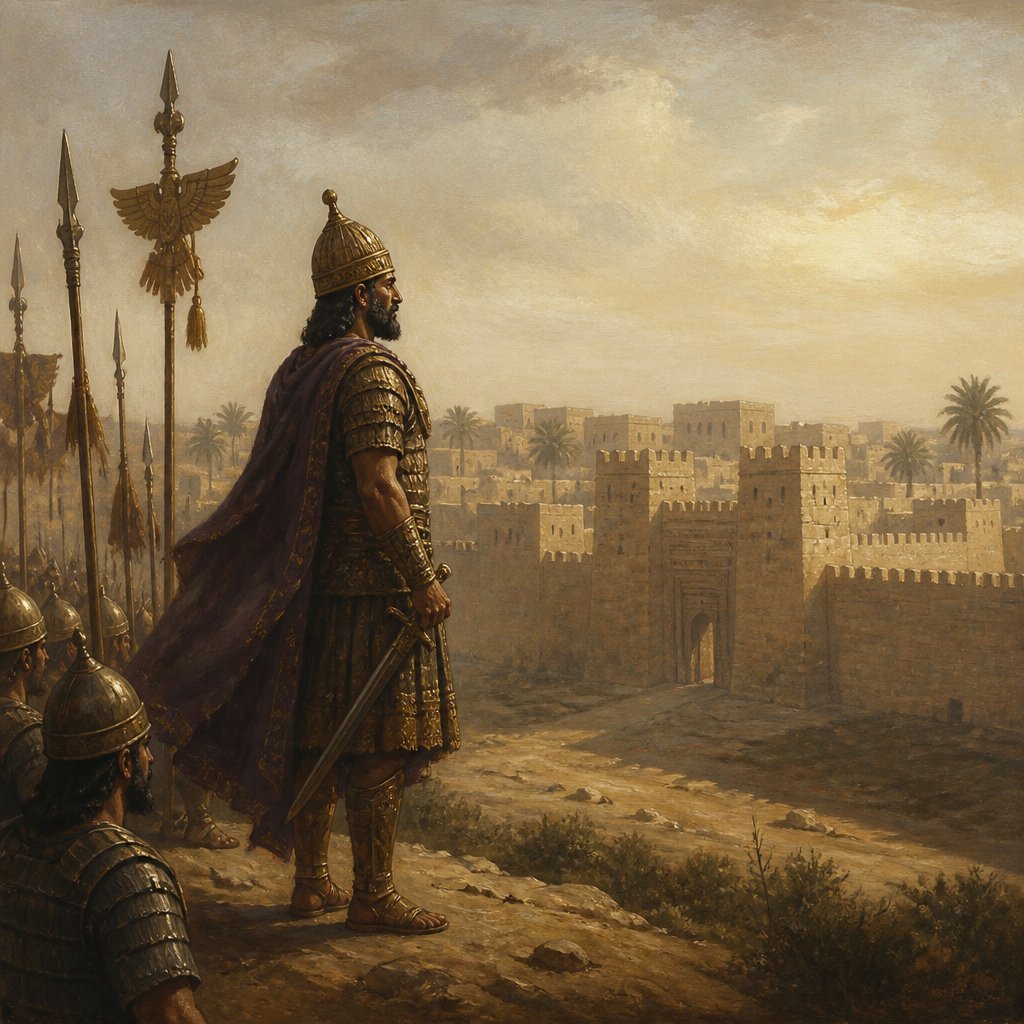
**Scripture Reference: Isaiah 20:1 (KJV)**
"In the year that Tartan came unto Ashdod, (when Sargon the king of Assyria sent him,) and fought against Ashdod, and took it;"
In Isaiah 20:1, we are introduced to a significant moment in history. The verse describes the Assyrian invasion of Ashdod, a city of great importance in the Philistine territory. This historical event is not merely a backdrop of power struggles and warfare; rather, it serves as a profound reminder of God's sovereignty over nations and His ability to wield even the chaos of earthly events to fulfill His divine purposes.
**Context and Significance**
The book of Isaiah was written at a time when the people of Judah were under threat from powerful empires, primarily the Assyrians. They faced a choice between trusting God or aligning with foreign powers for protection. The figure of Tartan, the Assyrian commander, symbolizes the might of the Babylonian forces that threatened the stability of Judah and its neighboring regions. Isaiah’s prophecy echoes a crucial truth: even the most powerful rulers and armies are subject to God’s will.
In the midst of turmoil, God often raises up His messengers to illustrate the seriousness of the situation at hand. Isaiah’s prophetic actions, which include walking around naked and barefoot (in the subsequent verses), were designed to communicate a message of humiliation and impending doom not just for Ashdod, but for all nations that stood against God’s plans. Such actions were intended to relay a deep spiritual significance—often, God's people must confront uncomfortable realities to recognize the urgency of turning back to Him.
**God's Sovereignty in History**
This moment in Isaiah highlights the mysterious yet methodical way God interacts with human history. The Assyrians might have believed they were advancing their own interests through brutal military campaigns, yet the true narrative is that God was using these events to guide His people toward redemption. It is essential to remember that God’s economy is not of this world. While kings and rulers may seem in control, and while our personal lives may feel chaotic, God is orchestrating His plans—even when we cannot see them.
**Reflection in Our Lives**
How does this historical moment reflect our own experiences today? In our lives, we often encounter situations that feel overwhelming or chaotic—be it in our families, workplaces, or wider society. We can relate to the fear or anxiety that can creep in as we think about challenges we face. Yet, it can also be comforting to reflect on the truth that God is in control. Just as He was not caught off guard by Sargon's invasion, He is not surprised by the challenges we face in our own lives.
A powerful lesson from Isaiah isn't merely about observing the events but responding to them. God’s call through the prophet is a call to awareness and action—a reminder that nothing on this earthly plane can thwart His plans for us. Our response to this sovereignty should be rooted in faith, trust, and worship, even in the face of adversity.
**Conclusion**
As we meditate on Isaiah 20:1, let us remember that God sees the beginning from the end. His hand moves through all circumstances, shaping our journey and guiding us toward His ultimate purpose. Let us submit our fears, our uncertainties, and all that troubles us to the Lord, trusting that He will work all things together for our good and His glory (Romans 8:28). In times of struggle, let us cling to the truth of His sovereignty and remain steadfast in our faith, knowing that just like back in Isaiah's day, God is not only aware of our situations but is actively working through them to fulfill His promises—a true source of hope amidst our turbulent world.
Get our apps


Artwork for Isaiah 20:1

Isaiah 20:1 - "In the year that Tartan came unto Ashdod, (when Sargon the king of Assyria sent him,) and fought against Ashdod, and took it;"
"In the year that Tartan came unto Ashdod, (when Sargon the king of Assyria sent him,) and fought against Ashdod, and took it;" - Isaiah 20:1

Isaiah 1:20 - "But if ye refuse and rebel, ye shall be devoured with the sword: for the mouth of the LORD hath spoken it."
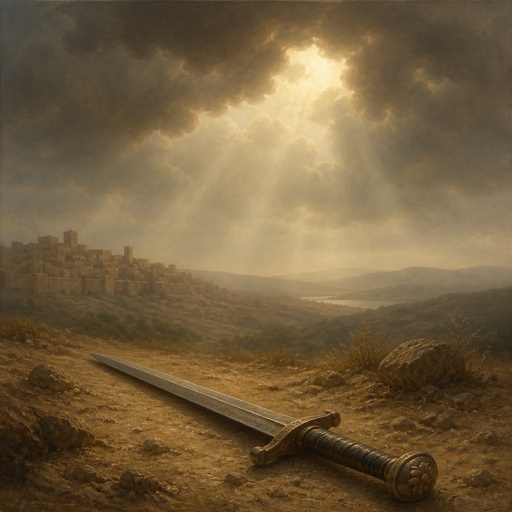
"But if ye refuse and rebel, ye shall be devoured with the sword: for the mouth of the LORD hath spoken it." - Isaiah 1:20

Isaiah 3:20 - "The bonnets, and the ornaments of the legs, and the headbands, and the tablets, and the earrings,"

Isaiah 20:5 - "And they shall be afraid and ashamed of Ethiopia their expectation, and of Egypt their glory."

2 Kings 20:1 - "In those days was Hezekiah sick unto death. And the prophet Isaiah the son of Amoz came to him, and said unto him, Thus saith the LORD, Set thine house in order; for thou shalt die, and not live."

Isaiah 20:3 - "And the LORD said, Like as my servant Isaiah hath walked naked and barefoot three years for a sign and wonder upon Egypt and upon Ethiopia;"

Isaiah 8:20 - "To the law and to the testimony: if they speak not according to this word, it is because there is no light in them."

2 Kings 20:16 - "And Isaiah said unto Hezekiah, Hear the word of the LORD."

Isaiah 42:20 - "Seeing many things, but thou observest not; opening the ears, but he heareth not."

2 Kings 20:7 - "And Isaiah said, Take a lump of figs. And they took and laid it on the boil, and he recovered."

Isaiah 29:20 - "For the terrible one is brought to nought, and the scorner is consumed, and all that watch for iniquity are cut off:"

Isaiah 22:20 - "¶ And it shall come to pass in that day, that I will call my servant Eliakim the son of Hilkiah:"

2 Chronicles 32:20 - "And for this cause Hezekiah the king, and the prophet Isaiah the son of Amoz, prayed and cried to heaven."

Isaiah 32:20 - "Blessed are ye that sow beside all waters, that send forth thither the feet of the ox and the ass."

Isaiah 59:20 - "¶ And the Redeemer shall come to Zion, and unto them that turn from transgression in Jacob, saith the LORD."

Isaiah 57:20 - "But the wicked are like the troubled sea, when it cannot rest, whose waters cast up mire and dirt."
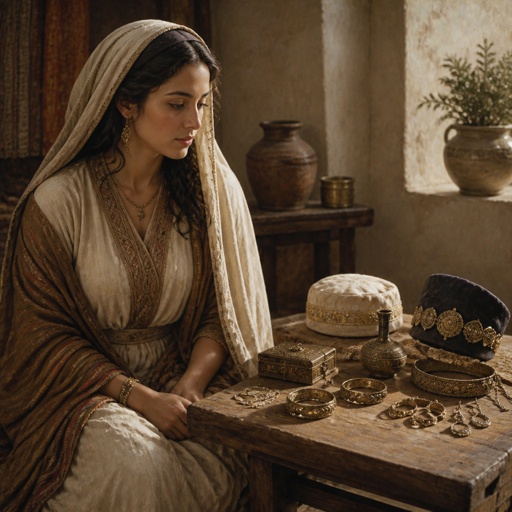
"The bonnets, and the ornaments of the legs, and the headbands, and the tablets, and the earrings," - Isaiah 3:20

Isaiah 28:20 - "For the bed is shorter than that a man can stretch himself on it: and the covering narrower than that he can wrap himself in it."

2 Kings 20:4 - "And it came to pass, afore Isaiah was gone out into the middle court, that the word of the LORD came to him, saying,"

Isaiah 20:2 - "At the same time spake the LORD by Isaiah the son of Amoz, saying, Go and loose the sackcloth from off thy loins, and put off thy shoe from thy foot. And he did so, walking naked and barefoot."

Isaiah 41:20 - "That they may see, and know, and consider, and understand together, that the hand of the LORD hath done this, and the Holy One of Israel hath created it."
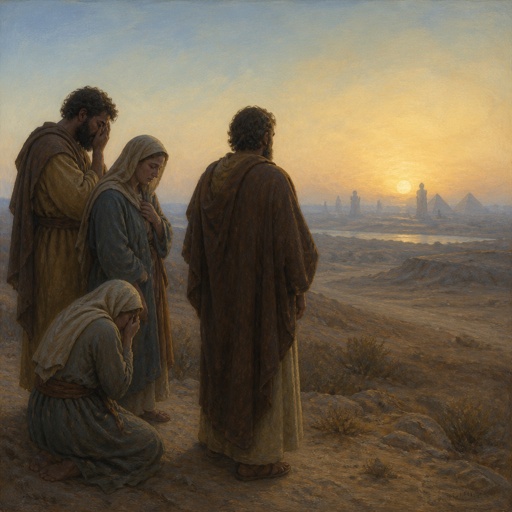
"And they shall be afraid and ashamed of Ethiopia their expectation, and of Egypt their glory." - Isaiah 20:5

Isaiah 2:1 - "The word that Isaiah the son of Amoz saw concerning Judah and Jerusalem."

Isaiah 1:1 - "The vision of Isaiah the son of Amoz, which he saw concerning Judah and Jerusalem in the days of Uzziah, Jotham, Ahaz, and Hezekiah, kings of Judah."

Isaiah 13:1 - "The burden of Babylon, which Isaiah the son of Amoz did see."

Isaiah 51:20 - "Thy sons have fainted, they lie at the head of all the streets, as a wild bull in a net: they are full of the fury of the LORD, the rebuke of thy God."

Isaiah 38:20 - "The LORD was ready to save me: therefore we will sing my songs to the stringed instruments all the days of our life in the house of the LORD."

Isaiah 60:1