What does Isaiah 20:1 mean?
“In the year that Tartan came unto Ashdod, ( when Sargon the king of Assyria sent him,) and fought against Ashdod, and took it;” — Isaiah 20:1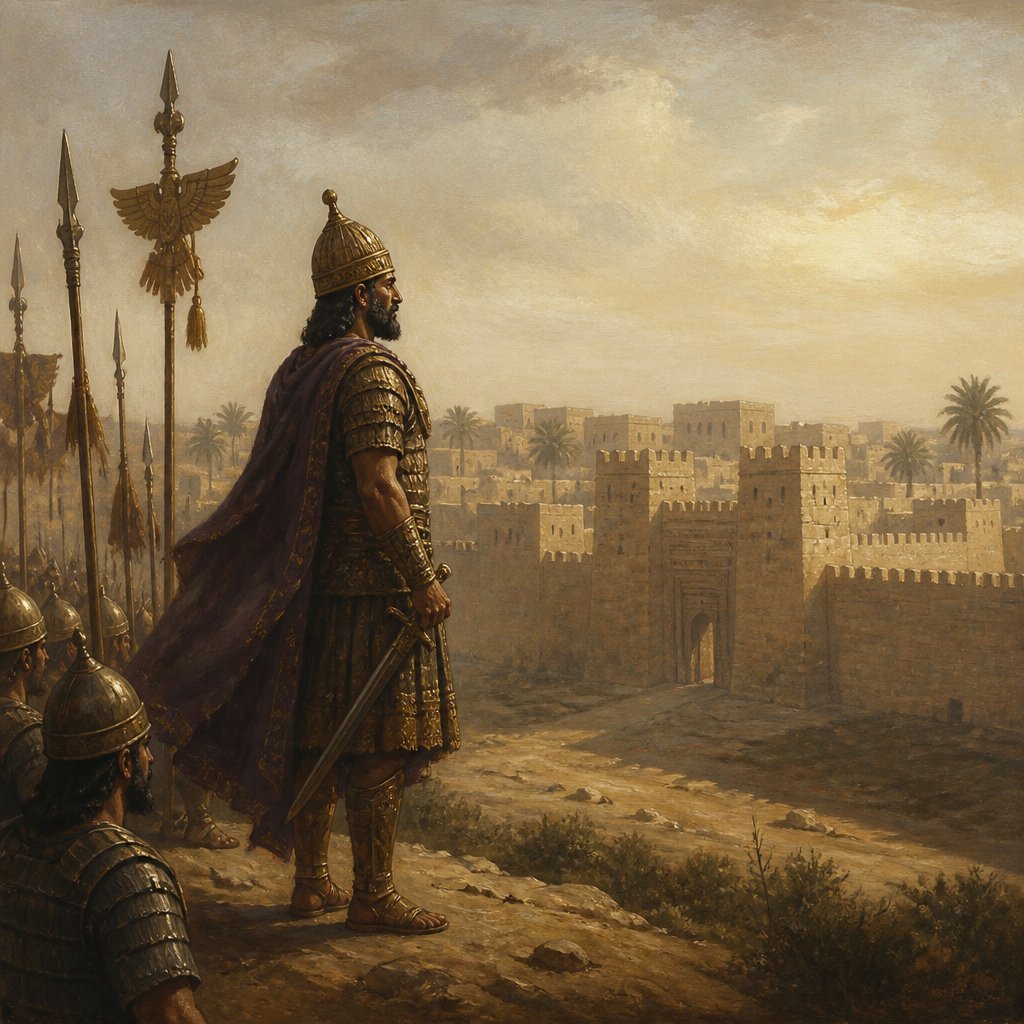
Isaiah 20:1 (KJV) - "In the year that Tartan came unto Ashdod, (when Sargon the king of Assyria sent him,) and fought against Ashdod, and took it;"
This verse is part of the book of Isaiah, a prophetic book in the Old Testament of the Bible. The book of Isaiah is known for its powerful and eloquent language, as well as its prophecies about the coming Messiah and the ultimate redemption of God's people. In this particular verse, the prophet Isaiah is providing historical context for the events that were taking place in Ashdod, a city in ancient Israel.
The verse begins with the phrase, "In the year that Tartan came unto Ashdod," which sets the stage for the subsequent events that are described. The Tartan was a high-ranking Assyrian official, and Ashdod was a Philistine city that had been in conflict with the Assyrians. The verse goes on to mention Sargon, the king of Assyria, who sent the Tartan to lead a military campaign against Ashdod. The verse concludes by stating that the Assyrians successfully conquered and took control of the city of Ashdod.
From a historical standpoint, this verse provides insight into the power dynamics and military conflicts that were occurring in the ancient Near East during the time of Isaiah. The Assyrian Empire was a dominant force in the region, and they were known for their campaigns of conquest and subjugation. The city of Ashdod was just one of many targets of Assyrian aggression, and the verse serves as a reminder of the harsh realities of war and the suffering that it brings to the people caught in its path.
In addition to its historical significance, this verse also carries deeper spiritual and symbolic meanings. The prophet Isaiah often used current events and political realities as a backdrop for his prophecies, and this verse is no exception. In the broader context of the book of Isaiah, the Assyrian invasion serves as a vivid metaphor for the spiritual struggles and conflicts that God's people faced. The Assyrians can be seen as a symbol of the forces of evil and oppression that seek to destroy and subjugate God's people, while Ashdod represents the faith and resilience of God's chosen people.
Furthermore, this verse can be understood as a cautionary tale about the dangers of turning away from God and seeking protection and security in worldly powers. The city of Ashdod had likely put their trust in their own military strength and alliances with other nations, only to be ultimately defeated by the Assyrians. This serves as a powerful reminder that true security and deliverance can only be found in God, and that reliance on human strength and worldly powers is ultimately futile.
In conclusion, Isaiah 20:1 provides a compelling blend of historical context, spiritual symbolism, and moral lessons. It sheds light on the tumultuous events of ancient Israel while also offering timeless truths about the nature of human conflict and the unwavering faithfulness of God. As with many passages in the book of Isaiah, this verse serves as a powerful reminder of the sovereignty of God and the ultimate triumph of His kingdom.
Get our apps


Artwork for Isaiah 20:1

Isaiah 20:1 - "In the year that Tartan came unto Ashdod, (when Sargon the king of Assyria sent him,) and fought against Ashdod, and took it;"
"In the year that Tartan came unto Ashdod, (when Sargon the king of Assyria sent him,) and fought against Ashdod, and took it;" - Isaiah 20:1

Isaiah 1:20 - "But if ye refuse and rebel, ye shall be devoured with the sword: for the mouth of the LORD hath spoken it."
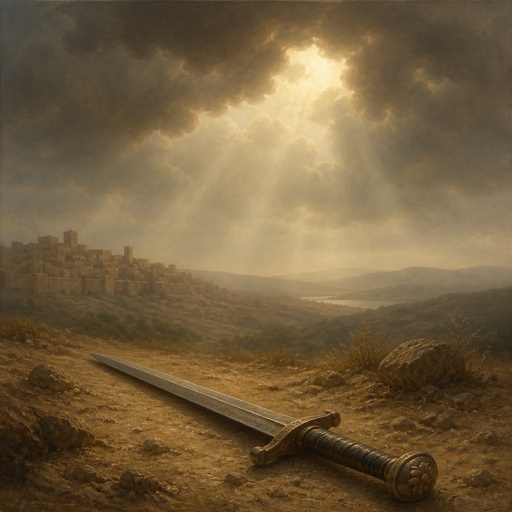
"But if ye refuse and rebel, ye shall be devoured with the sword: for the mouth of the LORD hath spoken it." - Isaiah 1:20

Isaiah 3:20 - "The bonnets, and the ornaments of the legs, and the headbands, and the tablets, and the earrings,"

Isaiah 20:5 - "And they shall be afraid and ashamed of Ethiopia their expectation, and of Egypt their glory."

2 Kings 20:1 - "In those days was Hezekiah sick unto death. And the prophet Isaiah the son of Amoz came to him, and said unto him, Thus saith the LORD, Set thine house in order; for thou shalt die, and not live."

Isaiah 20:3 - "And the LORD said, Like as my servant Isaiah hath walked naked and barefoot three years for a sign and wonder upon Egypt and upon Ethiopia;"

Isaiah 8:20 - "To the law and to the testimony: if they speak not according to this word, it is because there is no light in them."

2 Kings 20:16 - "And Isaiah said unto Hezekiah, Hear the word of the LORD."

Isaiah 42:20 - "Seeing many things, but thou observest not; opening the ears, but he heareth not."

2 Kings 20:7 - "And Isaiah said, Take a lump of figs. And they took and laid it on the boil, and he recovered."

Isaiah 29:20 - "For the terrible one is brought to nought, and the scorner is consumed, and all that watch for iniquity are cut off:"

Isaiah 22:20 - "¶ And it shall come to pass in that day, that I will call my servant Eliakim the son of Hilkiah:"

2 Chronicles 32:20 - "And for this cause Hezekiah the king, and the prophet Isaiah the son of Amoz, prayed and cried to heaven."

Isaiah 32:20 - "Blessed are ye that sow beside all waters, that send forth thither the feet of the ox and the ass."

Isaiah 59:20 - "¶ And the Redeemer shall come to Zion, and unto them that turn from transgression in Jacob, saith the LORD."

Isaiah 57:20 - "But the wicked are like the troubled sea, when it cannot rest, whose waters cast up mire and dirt."
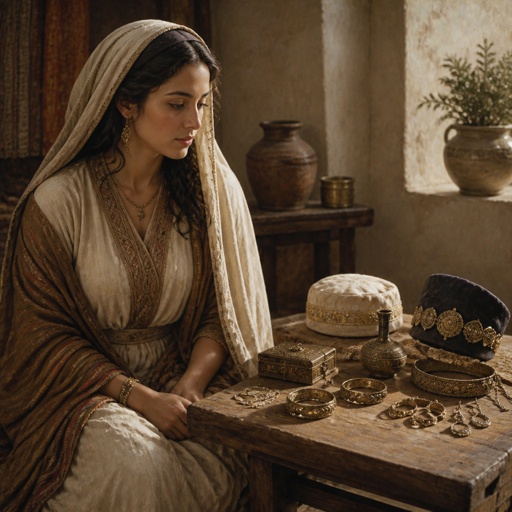
"The bonnets, and the ornaments of the legs, and the headbands, and the tablets, and the earrings," - Isaiah 3:20

Isaiah 28:20 - "For the bed is shorter than that a man can stretch himself on it: and the covering narrower than that he can wrap himself in it."

2 Kings 20:4 - "And it came to pass, afore Isaiah was gone out into the middle court, that the word of the LORD came to him, saying,"

Isaiah 20:2 - "At the same time spake the LORD by Isaiah the son of Amoz, saying, Go and loose the sackcloth from off thy loins, and put off thy shoe from thy foot. And he did so, walking naked and barefoot."

Isaiah 41:20 - "That they may see, and know, and consider, and understand together, that the hand of the LORD hath done this, and the Holy One of Israel hath created it."
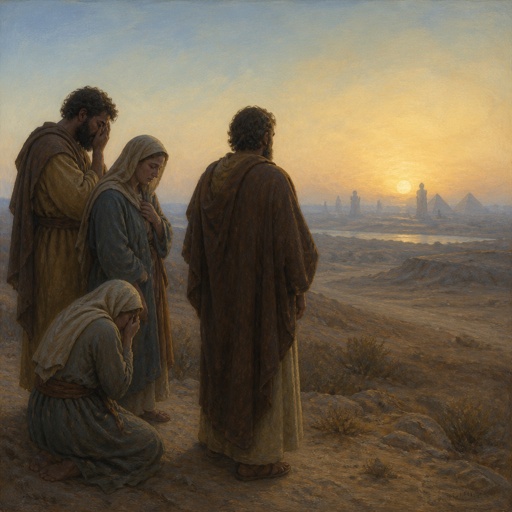
"And they shall be afraid and ashamed of Ethiopia their expectation, and of Egypt their glory." - Isaiah 20:5

Isaiah 2:1 - "The word that Isaiah the son of Amoz saw concerning Judah and Jerusalem."

Isaiah 1:1 - "The vision of Isaiah the son of Amoz, which he saw concerning Judah and Jerusalem in the days of Uzziah, Jotham, Ahaz, and Hezekiah, kings of Judah."

Isaiah 13:1 - "The burden of Babylon, which Isaiah the son of Amoz did see."

Isaiah 51:20 - "Thy sons have fainted, they lie at the head of all the streets, as a wild bull in a net: they are full of the fury of the LORD, the rebuke of thy God."

Isaiah 38:20 - "The LORD was ready to save me: therefore we will sing my songs to the stringed instruments all the days of our life in the house of the LORD."

Isaiah 60:1