The Consequence of Choices: Reflecting on Isaiah 3:11
“Woe unto the wicked! it shall be ill with him: for the reward of his hands shall be given him.” — Isaiah 3:11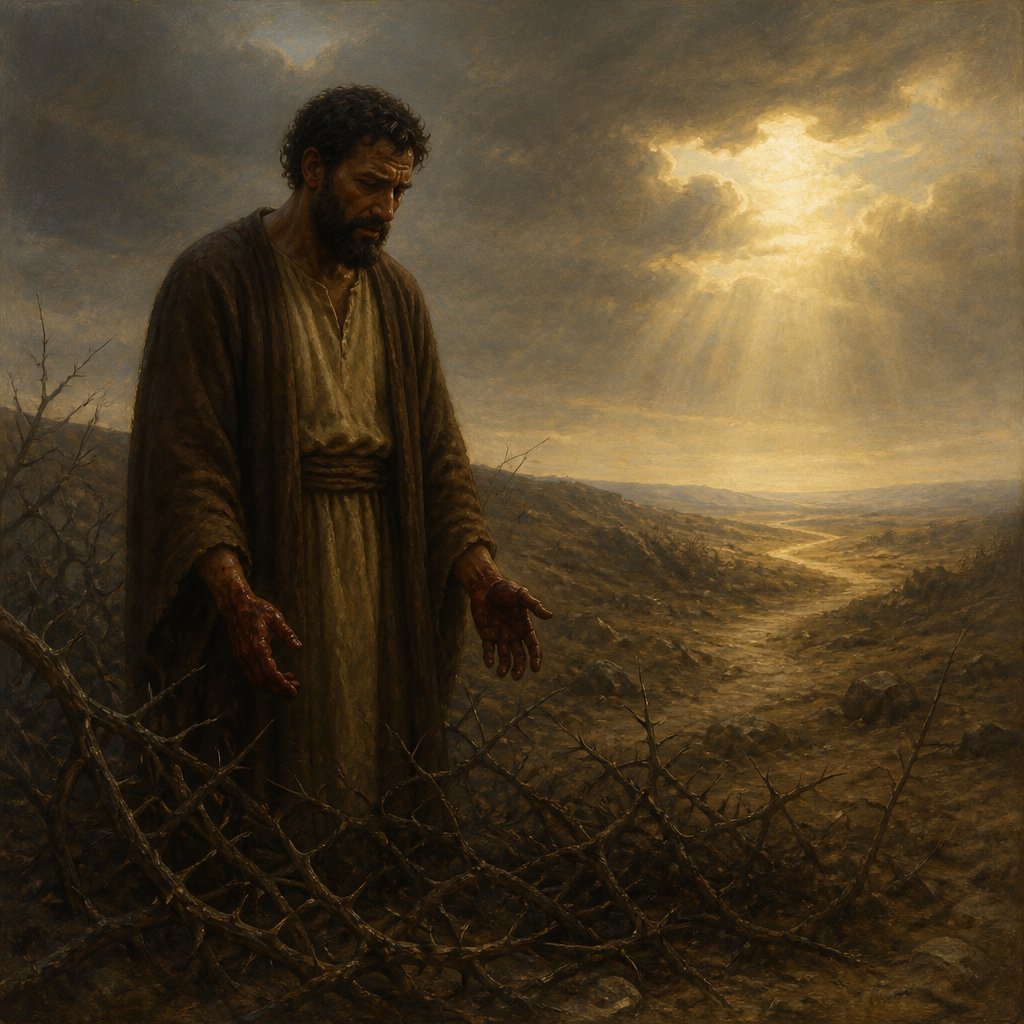
As we journey through life, we encounter myriad choices, some leading to life and peace and others to hardship and ruin. Among these life-altering choices, the most fundamentally significant is that between righteousness and wickedness. One poignant reminder of the outcomes of these decisions is found in the words of the prophet Isaiah: "Woe unto the wicked! it shall be ill with him: for the reward of his hands shall be given him" (Isaiah 3:11, KJV).
In this verse, the prophet Isaiah, speaking to the people of Judah, proclaims a warning concerning the consequences that befall the wicked. The term "wicked" in biblical context refers to those who deliberately act in opposition to God’s moral law, indulging in a life of sin and disobedience. Here Isaiah starkly contrasts the fate of the wicked against the expected peace and security for those who choose to live righteously and in alignment with God’s will.
As we unpack this verse, the phrase "woe unto the wicked" resonates with a jarring urgency. It serves as a reminder that there exists a profound and inevitable connection between our actions and their consequences. Each choice we make holds weight and significance. The statement "it shall be ill with him" serves as a grave forecast of judgment: to be ill signifies not just the absence of well-being but an active state of misery, discontent, and suffering as a direct result of the estranged relationship with God. This suffering is not merely external; it infiltrates the very core of one's being, affecting both the mind and spirit.
Moreover, the latter part of the verse, "for the reward of his hands shall be given him," brings us to consider the nature of God's justice. The phrase emphasizes accountability. God’s righteous judgment is not arbitrary; it is directly tethered to the decisions we make and the actions we take. The concept of "reward" includes both the blessings for those who live in obedience to God and the penalties for the wicked. This distinction paints a clear picture of God’s sovereignty - He rewards righteousness and punishes unrighteousness, thereby providing a moral framework for life.
In contemplating this divine justice, we must ask ourselves, what does it mean to be wicked in today's context? Are we prone to actions that neglect God’s commandments in pursuit of personal gain or self-satisfaction? Do we engage in behaviors that harm ourselves or others? The warning issued by Isaiah applies universally, extending to our daily lives even thousands of years later.
The Bible provides numerous examples of the wicked receiving their just deserts, from the calamity that fell upon Pharaoh for oppressing the Israelites to the eventual downfall of King Saul for his disobedience. These narratives are woven throughout scripture not merely as ancient stories, but as timeless truths that resonate with our human experience, illustrating that the principle of reaping what one sows remains steadfast.
Yet even amidst this somber warning lies an invitation for introspection and repentance. Man's destiny, though oft influenced by sin, is not eternally sealed in wickedness. The consistent message of scripture guides the errant heart back to God. In recognition of our frailty, we are reminded of God's grace. The same God who declares judgment also extends mercy, calling the wicked to turn towards righteousness, offering redemption and restoration.
In conclusion, Isaiah 3:11 urges us to soberly reflect on our actions. Let the call of our hearts be to align with God's desires. Let us seek His wisdom in every choice so that we might not flounder in the consequence of wickedness, but instead bask in the blessings of a life lived righteously. For ultimately, our choices not only influence our present circumstances but echo into eternity.
Get our apps


Artwork for Isaiah 3:11

Isaiah 3:11 - "Woe unto the wicked! it shall be ill with him: for the reward of his hands shall be given him."
"Woe unto the wicked! it shall be ill with him: for the reward of his hands shall be given him." - Isaiah 3:11

Isaiah 3:10-11 - "Tell the righteous it will be well with them, for they will enjoy the fruit of their deeds. Woe to the wicked! Disaster is upon them! They will be paid back for what their hands have done."

Isaiah 11:3 - "And shall make him of quick understanding in the fear of the LORD: and he shall not judge after the sight of his eyes, neither reprove after the hearing of his ears:"

Isaiah 11

Isaiah 11:1

Isaiah 55:11

Isaiah 11:1-9

Isaiah 11:1-9

Isaiah 11:1-9

Isaiah 12:3
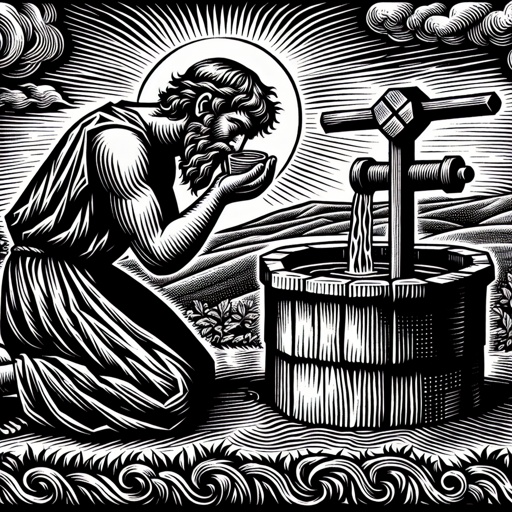
Isaiah 12:3

Isaiah 12:3

Isaiah 12:3

Isaiah 12:3

Isaiah 12:3

Isaiah 12:3

Isaiah 12:3

isaiah 44:3

Isaiah 12:3

Isaiah 12:3

Isaiah 12:3

Isaiah 12:3

Isaiah 12:3

Isaiah 12:3

Isaiah 12:3

Isaiah 26:3

Isaiah 12:3
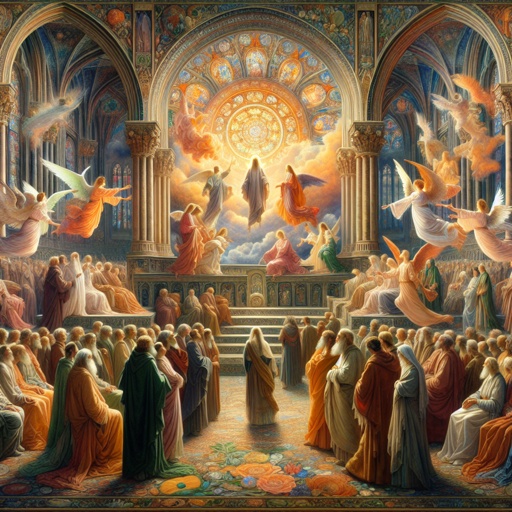
Isaiah 12:3

Isaiah 12:3