A Call to Justice: Understanding God's Judgment in Isaiah 3:14
“The LORD will enter into judgment with the ancients of his people, and the princes thereof: for ye have eaten up the vineyard; the spoil of the poor is in your houses.” — Isaiah 3:14
Isaiah 3:14 declares, "The LORD will enter into judgment with the ancients of his people, and the princes thereof: for ye have eaten up the vineyard; the spoil of the poor is in your houses." This verse serves as a sobering reminder of the gravity of social injustice and the inevitable accountability that arises from it. As we dive into this scripture, we must grasp the context in which Isaiah spoke these words and reflect on their relevancy in our own lives today.
Isaiah, a prophet in the Old Testament, was called to address the moral decay in Judah. At a time when the nation was experiencing both political turmoil and spiritual decline, the leaders - referred to as "ancients" and "princes" - were exploiting the vulnerable. They consumed the nation’s resources while overlooking the cries of those in need. Essentially, they were failing in their duties as leaders and as stewards of God's blessings, choosing personal gain over communal welfare.
In the KJV, the phrasing "eaten up the vineyard" paints a vivid picture of the greedy appropriation of not just material resources, but also the spiritual and societal health of the people. The vineyard, a symbol of sustenance and life (often used in scripture to denote God’s blessings upon His people), is being stripped away, leaving the poor destitute. The "spoil of the poor" being in the houses of the princes illustrates a stark contrast between the abundant wealth amassed by the leaders and the poverty that besets the most vulnerable.
When we reflect on this passage, we must consider the implications it has for us as believers in our contemporary setting. Are we, too, complicit in a system that exploits the vulnerable? Do we turn a blind eye to injustices in our community? The Lord's judgment is not merely an act of condemnation but a profound call to awakening. He desires that we, as His children, embody compassion and justice.
The verse is also a terrible reminder of the patience of God. His judgment is not swift; He allows time for repentance. But we must not mistake His grace as tolerance for injustice. The judgment of God upon the leaders of Judah underscores His holiness and commitment to righteousness. The Lord will not let the injustices perpetrated upon the poor go unpunished. This call to judgment is a call to accountability, inviting leaders and every believer to evaluate their actions and their hearts.
Additionally, this passage prompts a challenge toward introspection: how do we define wealth? Are we merely talking about material gain, or do we recognize the spiritual and relational poverty that exists in tandem with physical poverty? Jesus in New Testament teachings reinforced the call for justice and highlighted the importance of caring for the marginalized.
As Christians, we are called to stand up for justice, emulate Christ's love, and address the disparities within our context. We must advocate for the forgotten and the poor, recognizing that in serving them, we serve Christ himself (Matthew 25:40). Our response to the LORD’s judgment must be one of humility and a commitment to act righteously.
We must also remember that God's justice is ultimately redemptive. In the midst of judgment, there is an undeniable opportunity for repentance and restoration. Just as Isaiah conveyed God’s judgment, he simultaneously heralded a message of hope. The desire of the Lord is for His people to return to Him, repent, and engage in the life-giving mission He has defined for us.
As we meditate on Isaiah 3:14, let us ask God to open our eyes to the injustices around us and stir our hearts for the marginalized. May our lives reflect the righteousness of Christ, where we become conduits of His justice and advocates for the vulnerable. Let us strive to create a community characterized by equity, empathy, and love, thereby honoring the God who calls us to His vineyard.
Get our apps


Artwork for Isaiah 3:14

Isaiah 3:14 - "The LORD will enter into judgment with the ancients of his people, and the princes thereof: for ye have eaten up the vineyard; the spoil of the poor is in your houses."

Isaiah 3:14-15 - "The LORD enters into judgment against the elders and leaders of his people: "It is you who have ruined my vineyard; the plunder from the poor is in your houses. What do you mean by crushing my people and grinding the faces of the poor?" declares the Lord, the LORD Almighty."

"The LORD will enter into judgment with the ancients of his people, and the princes thereof: for ye have eaten up the vineyard; the spoil of the poor is in your houses." - Isaiah 3:14
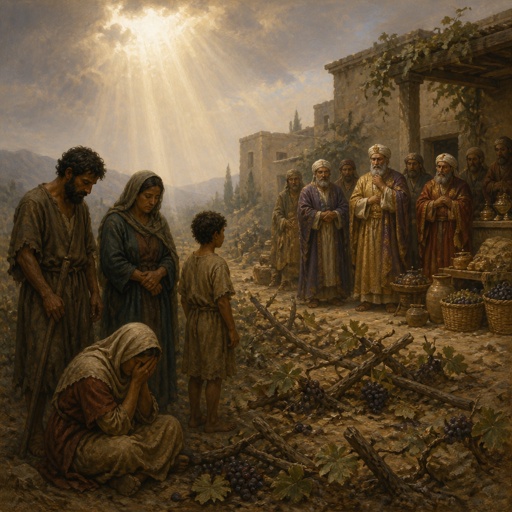
"The LORD enters into judgment against the elders and leaders of his people: "It is you who have ruined my vineyard; the plunder from the poor is in your houses. What do you mean by crushing my people and grinding the faces of the poor?" declares the Lord, the LORD Almighty." - Isaiah 3:14-15

Isaiah 14:3 - "And it shall come to pass in the day that the LORD shall give thee rest from thy sorrow, and from thy fear, and from the hard bondage wherein thou wast made to serve,"

Isaiah 14:12

isaiah 5:14

Isaiah 14:25

Isaiah 14:14 - "I will ascend above the heights of the clouds; I will be like the most High."

Isaiah 14:28 - "In the year that king Ahaz died was this burden."

Isaiah 12:3
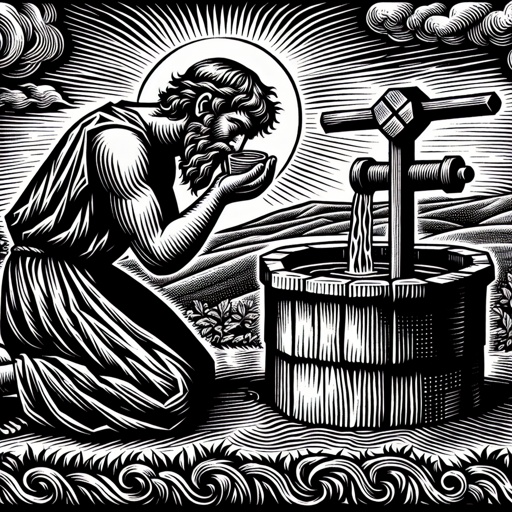
Isaiah 12:3

Isaiah 12:3

Isaiah 12:3

Isaiah 12:3

Isaiah 12:3

Isaiah 12:3

Isaiah 12:3

isaiah 44:3

Isaiah 12:3

Isaiah 12:3

Isaiah 12:3

Isaiah 12:3

Isaiah 12:3

Isaiah 12:3

Isaiah 12:3

Isaiah 26:3

Isaiah 12:3

Isaiah 12:3

Isaiah 12:3