The Foundation of Strength: A Deep Dive into Isaiah 3:2
“The mighty man, and the man of war, the judge, and the prophet, and the prudent, and the ancient,” — Isaiah 3:2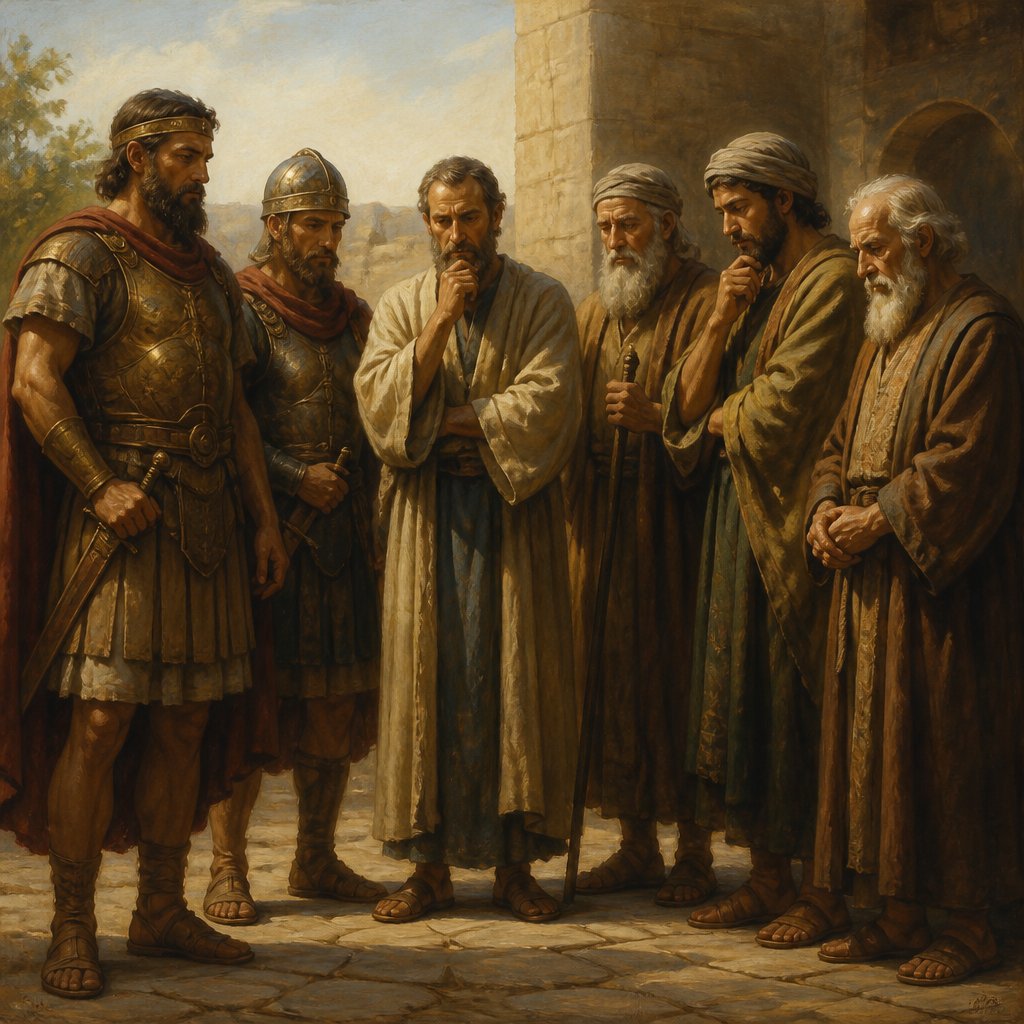
The verse from Isaiah 3:2 in the King James Version reads: "The mighty man, and the man of war, the judge, and the prophet, and the prudent, and the ancient." This passage offers a profound glimpse into the dynamics of leadership and societal structure as seen through the eyes of the prophet Isaiah. Within this one verse, a deeper discourse unfolds regarding the roles that should govern a community and the shift that occurs when these roles are misaligned or disregarded.
To fully appreciate the gravity of this verse, we must first consider the historical context in which Isaiah was writing. The nation of Judah was facing significant challenges, including political instability, moral decay, and an impending judgment because of their unfaithfulness to God. Isaiah's prophetic voice was often a clarion call, urging the people to return to righteousness. In Isaiah 3:2, he lists key figures—"the mighty man, and the man of war, the judge, and the prophet, and the prudent, and the ancient"—highlighting the essential roles that provide strength and stability to a society.
Each of these roles carries significant weight in terms of how a society functions. The "mighty man" embodies physical strength and courage; the
"man of war" signifies the protection and defense necessary during times of conflict. The "judge" represents justice, ensuring that laws are interpreted and upheld fairly. The "prophet" delivers God’s truth; the "prudent" advises wisely with discernment; and the "ancient" offers experience and wisdom gleaned over years.
Isaiah’s enumeration of these roles is a declaration of what is necessary for a prosperous and God-honoring society. When these roles function harmoniously, they create a protective and nurturing environment. However, when any of these roles become obsolete or are disregarded, a society begins to crumble. This verse sends a stark warning about the consequences of failing to honor these responsibilities.
As we delve deeper, let us reflect on each role in our own lives and communities. How do we define our strength (the mighty man) in spiritual terms? Are we equipped for battle—spiritually speaking—as we face the trials of life? God calls us not just to possess strength but to harness it in ways that honor and glorify Him. The "man of war" should also be the one who fights the right battles, choosing to engage in spiritual warfare rather than being consumed by worldly conflicts.
Judges represent authority that aligns with God's law; their wisdom determines the course of morality in society. In a world rife with injustice, we must be reminded that our heavenly Judge remains sovereign. His judgments are perfect, bringing us back to a place of righteousness in His sight.
The prophets today—those who speak truth and proclaim the Word of God—serve as a reminder that we need to hear God’s voice, often drowned out by the noise of our society. Prudent hearts seek God’s wisdom, asking for clarity on the countless decisions we face daily. The ancient remind us that every experience is an opportunity for growth; in their stories, we glean lessons that history has graciously provided.
This verse ultimately prompts us to consider not just the individuals in these roles but also how we personally fit into this structure. Are we embracing the strength God has given us? Are we living wisely and righteously? In the midst of societal decay and moral ambiguity, we as individuals bear a personal responsibility.
Let us commit to being mighty, prudent, and wise leaders in our spheres of influence. In doing so, we participate in a divine blueprint that orchestrates peace, justice, and righteousness. As we reflect on Isaiah 3:2, let us seek to embody these qualities and encourage others to do the same, assembling a community grounded not only in strength but steadfastly anchored to the Lord.
Get our apps


Artwork for Isaiah 3:2

Isaiah 3:2 - "The mighty man, and the man of war, the judge, and the prophet, and the prudent, and the ancient,"
"The mighty man, and the man of war, the judge, and the prophet, and the prudent, and the ancient," - Isaiah 3:2

Isaiah 53:2-3 depiction of Jesus Christ

isaiah 32:2-3 emphasis on Jesus Christ being unnatractive

Isaiah 12:3
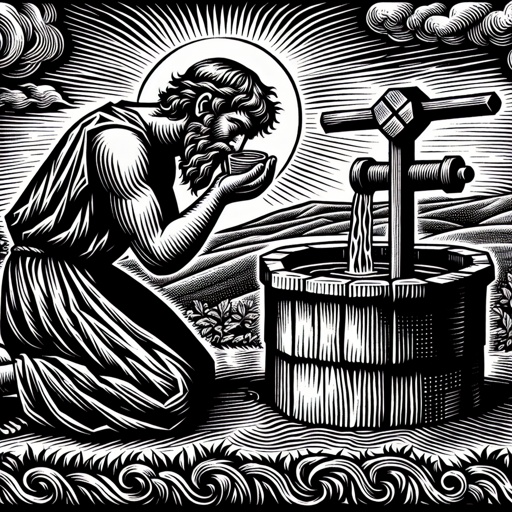
Isaiah 12:3

Isaiah 12:3

Isaiah 12:3

Isaiah 12:3

Isaiah 12:3

Isaiah 12:3

Isaiah 12:3

isaiah 44:3

Isaiah 12:3

Isaiah 12:3

Isaiah 12:3

Isaiah 12:3

Isaiah 12:3

Isaiah 12:3

Isaiah 12:3

Isaiah 26:3

Isaiah 12:3
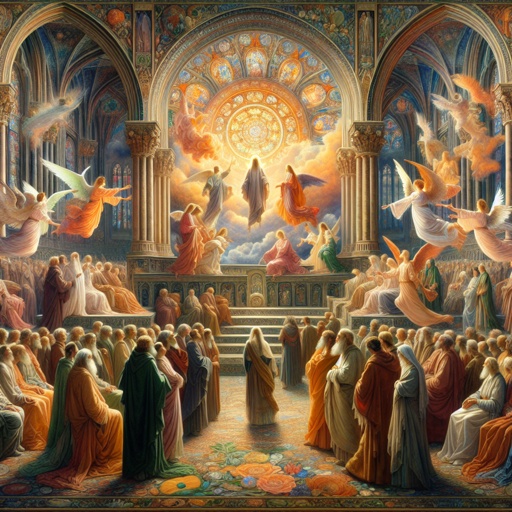
Isaiah 12:3

Isaiah 12:3

Isaiah 12:3

Isaiah 12:3

Isaiah 12:3

Isaiah 12:3

Isaiah 12:3

Isaiah 12:3