The Adornment of the Heart
“The bonnets, and the ornaments of the legs, and the headbands, and the tablets, and the earrings,” — Isaiah 3:20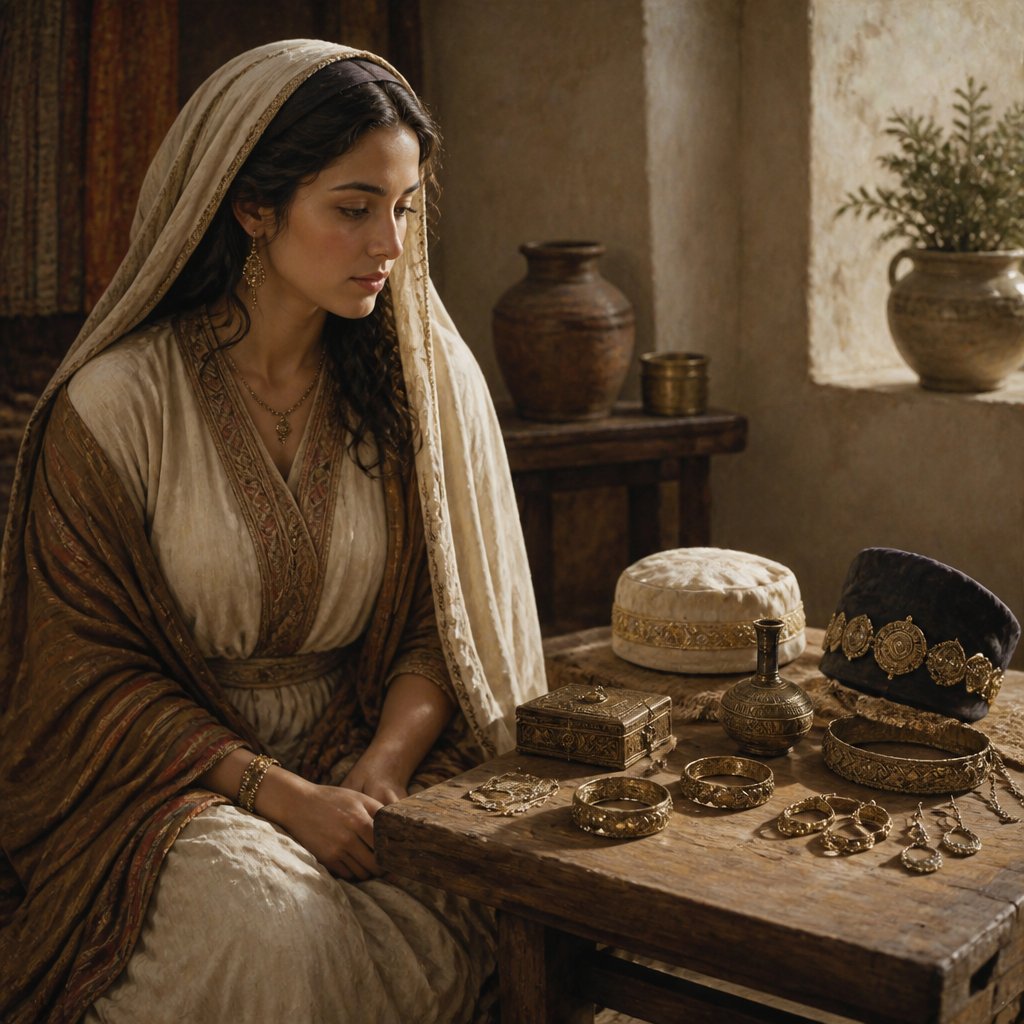
In the book of Isaiah, specifically Isaiah 3:20, we find a poignant description of the superficial adornments that were prevalent in the lives of the people at that time. The verse states, "The bonnets, and the ornaments of the legs, and the headbands, and the tablets, and the earrings." This verse, nestled among a series of divine judgments upon Jerusalem and Judea, offers a rich tapestry for reflection on how God views our priorities and what truly adorns our lives.
Throughout Scripture, we are reminded that God looks beyond the external appearances. In Samuel 16:7, we read, "For the Lord seeth not as man seeth; for man looketh on the outward appearance, but the Lord looketh on the heart." This theme is not absent in Isaiah. The prophet is addressing a society that has become increasingly obsessed with outward beauty and lavish displays of wealth. They have adorned themselves with many things — bonnets, leg ornaments, headbands, tablets, and earrings — but in doing so, they have neglected the condition of their hearts and their relationships with God.
The "bonnets" and "headbands" represent the attempt to showcase status and allure. Similarly, the "ornaments of the legs" and "earrings" symbolize a fixation on fashion and materialism. These items, while they may provide a semblance of beauty, ultimately fail to impress God who seeks hearts that beat in tune with His will. The prophet continues through Isaiah 3, highlighting the consequences of misplaced priorities in society, where the external takes precedence over the internal, leading to moral decay.
Isaiah's observation can be extrapolated to our modern lives. How often do we find ourselves caught in the whirlwind of consumerism and superficial validation? In our pursuit of appearances, whether through clothing, status, or social media, we can lose sight of the eternal investments — our relationships with God and with each other. The challenge lies in distinguishing genuine beauty from mere ornamentation.
In Proverbs 31, we are introduced to a virtuous woman whose value is not measured by her external adornments but by her character and her fear of the Lord: "Favor is deceitful, and beauty is vain: but a woman that feareth the Lord, she shall be praised" (Proverbs 31:30). We are encouraged to cultivate inner beauty, to allow the fruits of the Spirit to be the hallmark of our lives. Love, joy, peace, patience, kindness, goodness, faithfulness, gentleness, and self-control are the true accessories that testify to our faith and witness in the world.
As we reflect on Isaiah 3:20, it is an invitation to examine the adornments of our hearts. What do we prioritize? Are we more concerned about how we present ourselves to the world than how we are aligned with God's will? In a culture that bombards us with messages of external beauty, we must remind ourselves that true beauty comes from living a life of integrity, kindness, and fear of the Lord.
God calls us to a deeper understanding of beauty that transcends the physical. The parable of the pearl of great price (Matthew 13:45-46) reminds us that what truly matters is the kingdom of God and our relationship with Him. As we chase what captivates the heart of God, let us seek to adorn ourselves with the virtues that reflect our Creator’s image. Let us adorn the inner being with humility, sacrifice, and love, prioritizing the treasures that will last for eternity over fleeting external glitz.
In conclusion, Isaiah 3:20 serves as a powerful reminder—while the world esteems the beautiful in a material sense, God invites us to embrace the beauty of a heart transformed by grace. Let us seek to cultivate that inner beauty, knowing that it is far more precious in His sight than any earthly ornament.
Get our apps


Artwork for Isaiah 3:20

Isaiah 3:20 - "The bonnets, and the ornaments of the legs, and the headbands, and the tablets, and the earrings,"
"The bonnets, and the ornaments of the legs, and the headbands, and the tablets, and the earrings," - Isaiah 3:20

Isaiah 20:3 - "And the LORD said, Like as my servant Isaiah hath walked naked and barefoot three years for a sign and wonder upon Egypt and upon Ethiopia;"

"And the LORD said, Like as my servant Isaiah hath walked naked and barefoot three years for a sign and wonder upon Egypt and upon Ethiopia;" - Isaiah 20:3

Isaiah 20:5 - "And they shall be afraid and ashamed of Ethiopia their expectation, and of Egypt their glory."

Isaiah 8:20 - "To the law and to the testimony: if they speak not according to this word, it is because there is no light in them."

2 Kings 20:16 - "And Isaiah said unto Hezekiah, Hear the word of the LORD."

Isaiah 12:3
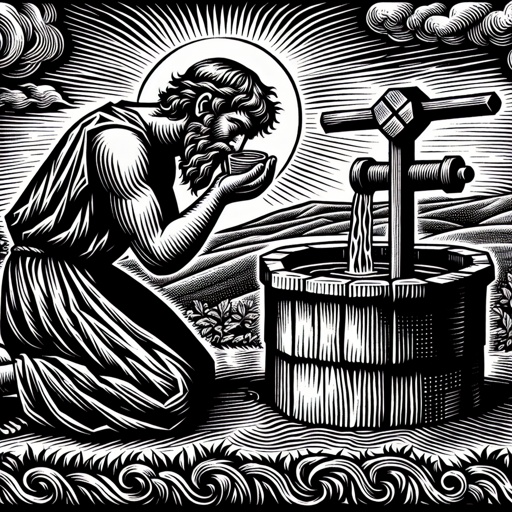
Isaiah 12:3

Isaiah 12:3

Isaiah 12:3

Isaiah 12:3

Isaiah 12:3

Isaiah 12:3

Isaiah 12:3

Isaiah 12:3

isaiah 44:3

Isaiah 12:3

Isaiah 12:3

Isaiah 12:3

Isaiah 12:3

Isaiah 12:3

Isaiah 12:3

Isaiah 26:3

Isaiah 12:3

Isaiah 12:3

Isaiah 12:3

Isaiah 12:3

Isaiah 12:3
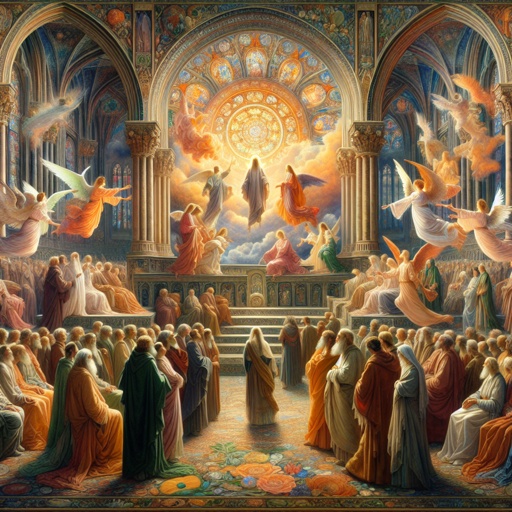
Isaiah 12:3