What does Isaiah 3:20 mean?
“The bonnets, and the ornaments of the legs, and the headbands, and the tablets, and the earrings,” — Isaiah 3:20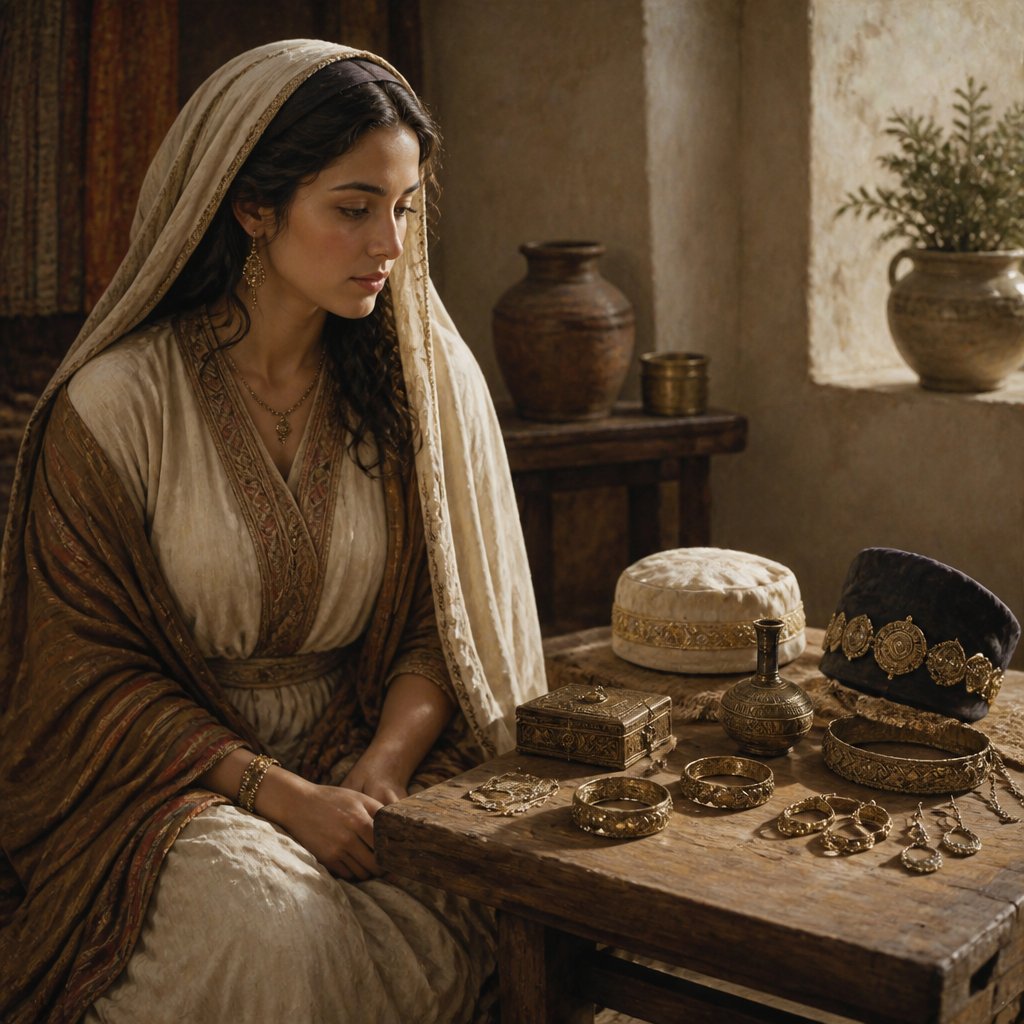
Isaiah 3:20 (KJV) states, "The bonnets, and the ornaments of the legs, and the headbands, and the tablets, and the earrings."
This verse comes from the book of Isaiah, which is one of the major prophets in the Old Testament. In this particular verse, Isaiah is condemning the vanity and pride of the women of Jerusalem, who are described as being more concerned with their outward appearance and material possessions than with their inner spiritual state. The verse lists various types of ornate accessories and adornments that were popular among the women of that time, including bonnets, ornaments for the legs, headbands, tablets, and earrings.
The broader context of this verse comes from a passage in which Isaiah is delivering a message of judgment and warning to the people of Judah and Jerusalem. He describes a society that has become corrupt and materialistic, where the people are more concerned with wealth, luxury, and self-indulgence than with spiritual matters. In this context, the verse serves as a specific example of the types of worldly pursuits and vanities that have captivated the people, leading them away from God.
One of the themes that emerges from this verse is the contrast between external appearances and inner qualities. The excessive focus on outward adornment and material possessions is contrasted with the neglect of inward spiritual virtues such as humility, righteousness, and obedience to God. The verse serves as a poignant reminder that true beauty and value come from within, and that outer appearances can be deceiving.
Another theme that can be drawn from this verse is the idea of misplaced priorities. The women of Jerusalem are criticized for their preoccupation with superficial adornments and accessories, which is seen as a symptom of a broader societal problem. The verse serves as a call to re-evaluate priorities and refocus on what is truly important, namely, a relationship with God and the cultivation of inner virtues.
Symbolism plays a significant role in this verse as well. The ornate accessories mentioned - such as bonnets, headbands, and earrings - symbolize the superficiality and worldliness of the people's pursuits. These items are associated with vanity, luxury, and materialism, and serve as tangible representations of the spiritual malaise that has taken hold of the society. By highlighting these specific items, Isaiah is drawing attention to the ways in which the people have allowed themselves to be seduced by the trappings of this world, and the ways in which they have lost sight of the eternal significance of their lives.
Overall, Isaiah 3:20 serves as a potent condemnation of the shallow and materialistic values that were prevalent in the society of Jerusalem at that time. It is a reminder of the importance of inner virtues and spiritual priorities, and a warning against the dangers of allowing worldly pursuits to eclipse our devotion to God. In a broader sense, the verse speaks to the timeless human tendency to prioritize the superficial over the substantial, and the need for continual self-examination and renewal of our spiritual focus.
Get our apps


Artwork for Isaiah 3:20

Isaiah 3:20 - "The bonnets, and the ornaments of the legs, and the headbands, and the tablets, and the earrings,"
"The bonnets, and the ornaments of the legs, and the headbands, and the tablets, and the earrings," - Isaiah 3:20

Isaiah 20:3 - "And the LORD said, Like as my servant Isaiah hath walked naked and barefoot three years for a sign and wonder upon Egypt and upon Ethiopia;"
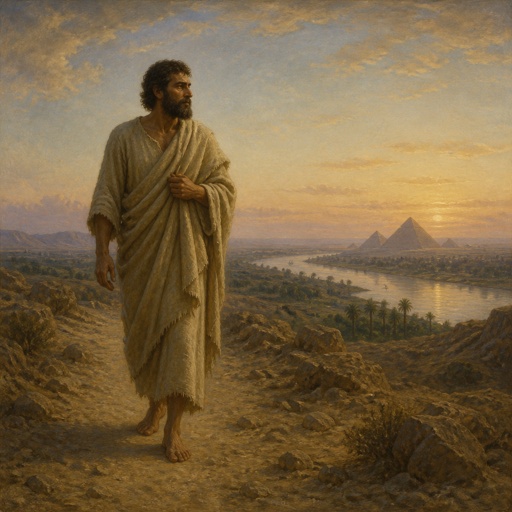
"And the LORD said, Like as my servant Isaiah hath walked naked and barefoot three years for a sign and wonder upon Egypt and upon Ethiopia;" - Isaiah 20:3

Isaiah 20:5 - "And they shall be afraid and ashamed of Ethiopia their expectation, and of Egypt their glory."

Isaiah 8:20 - "To the law and to the testimony: if they speak not according to this word, it is because there is no light in them."

2 Kings 20:16 - "And Isaiah said unto Hezekiah, Hear the word of the LORD."

Isaiah 12:3
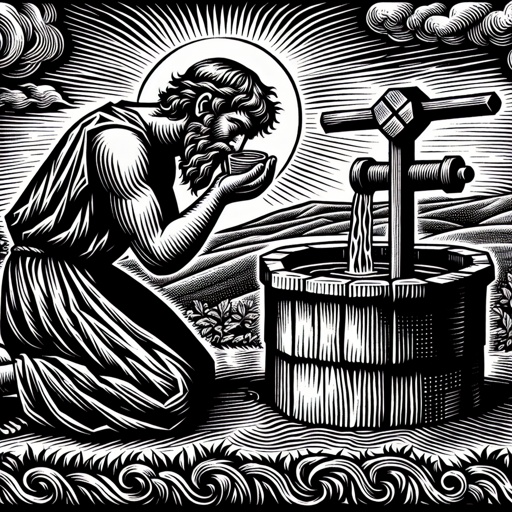
Isaiah 12:3

Isaiah 12:3

Isaiah 12:3

Isaiah 12:3

Isaiah 12:3

Isaiah 12:3

Isaiah 12:3

Isaiah 12:3

isaiah 44:3

Isaiah 12:3

Isaiah 12:3

Isaiah 12:3

Isaiah 12:3

Isaiah 12:3

Isaiah 12:3

Isaiah 26:3

Isaiah 12:3

Isaiah 12:3

Isaiah 12:3

Isaiah 12:3

Isaiah 12:3
Isaiah 12:3