The Sound of Desolation: Reflecting on Isaiah 5:9
“In mine ears said the LORD of hosts, Of a truth many houses shall be desolate, even great and fair, without inhabitant.” — Isaiah 5:9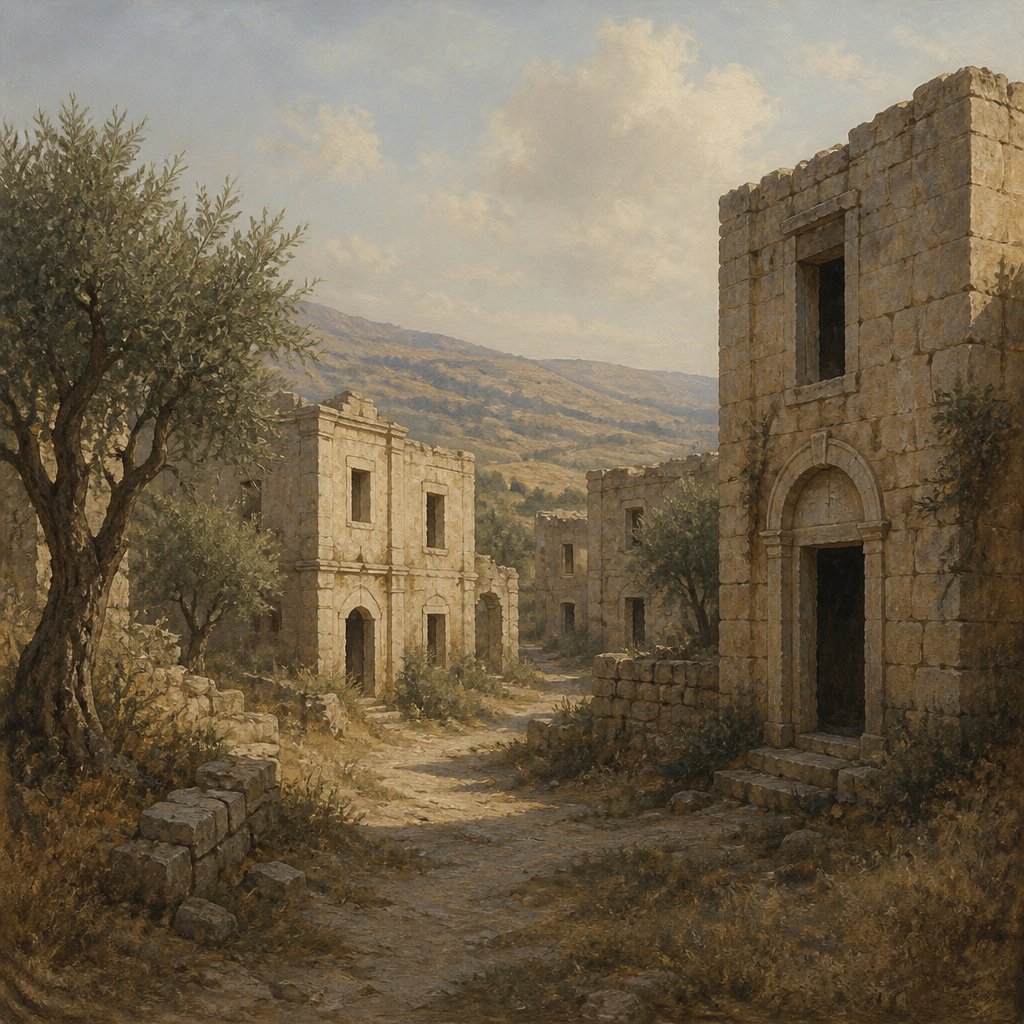
In the book of Isaiah, we encounter profound messages of warning, judgment, and hope. Isaiah 5:9 states, “In mine ears said the LORD of hosts, Of a truth many houses shall be desolate, even great and fair, without inhabitant.” This verse stirs a deep contemplation about the nature of human pride, the consequences of turning away from God, and the inevitable realization of our need for divine connection.
As we delve into the context of this scripture, we see that Isaiah was addressing the people of Judah during a time of great prosperity yet declining spiritual fidelity. The great and fair houses symbolized not just physical homes but also the achievements, wealth, and security that permeated the culture. These houses, which once stood as monuments to success and stability, would ultimately be rendered desolate. This prophecy serves as a haunting reminder that external appearances can be deceiving. It exposes the fragility of human accomplishments when detached from the Creator.
The phrase “many houses shall be desolate” reveals a certainty in God’s pronouncement. It’s not merely a suggestion or a possibility; it carries the weight of a definitive truth. This desolation is not arbitrary but is a direct result of a people who have chosen to forsake God’s ways in favor of their own desires. The grandeur of their houses was matched by the spiritual emptiness they carried within. They had become too consumed by their prosperity and pursuits, neglecting the core of their spiritual identity.
In today’s fast-paced world, we too live amidst great and fair houses. The physical structures we inhabit and the lifestyle we lead often draw our attention away from a deeper relationship with God. How easy is it for us to fill our lives with material comforts, social accolades, and professional successes, yet remain spiritually desolate? This passage compels us to examine our priorities: Are we building our lives on the solid foundation of faith, or are we erecting houses of cards that depend solely on our own strength?
As we ponder desolation, we must not overlook the underlying message of God’s mercy. Desolation is a wake-up call. It serves as a reminder that God desires a relationship with us far more than He desires our sacrifices or successes. It calls us to repentance and a longing for restoration. Even in His judgment, we find God’s steadfast love inviting us back to the fold, encouraging transformation and renewal. Our desolation can lead to a divine calling to rebuild on the solid rock of Christ, forging a faith that sustains through trials.
Let us also consider the implications of desolation within our communities and nations. As we scan our cultural landscape, we see the consequences of collective turning away from universal truths and the divine. Churches once filled with congregations are now sparse, spiritual leaders are questioned, and many are led astray by whims of current trends, creating an urgent call among followers of Christ to reflect on Isaiah’s warning. Again, we must ask ourselves: How do we contribute to the desolation, and how can we be agents of revival?
In response to the call of desolation, we should strive to cultivate a life that reflects a genuine commitment to God. Let’s focus on the essence of God’s Word, seeking to align our lives with His purpose. It is only through prayer, fellowship with believers, and immersion in Scripture that we can revitalize our spirits and rebuild in accordance with His will.
In conclusion, Isaiah 5:9 serves as a clarion call urging us to recognize the danger of complacency. Many houses may indeed become desolate, but even in desolation, there is hope for renewal. The God who pronounced judgment is also the God who restores. Let us return to Him, that our houses, both physical and spiritual, may be filled once again with His presence, hope, and love.
Get our apps


Artwork for Isaiah 5:9

Isaiah 5:9 - "In mine ears said the LORD of hosts, Of a truth many houses shall be desolate, even great and fair, without inhabitant."
"In mine ears said the LORD of hosts, Of a truth many houses shall be desolate, even great and fair, without inhabitant." - Isaiah 5:9

Isaiah 9:5 - "For every battle of the warrior is with confused noise, and garments rolled in blood; but this shall be with burning and fuel of fire."

"For every battle of the warrior is with confused noise, and garments rolled in blood; but this shall be with burning and fuel of fire." - Isaiah 9:5

Isaiah 37:5 - "So the servants of king Hezekiah came to Isaiah."

Isaiah 39:5 - "Then said Isaiah to Hezekiah, Hear the word of the LORD of hosts:"

Isaiah 5:21

Isaiah 53:5

Isaiah 5:21

Isaiah 6:1-5

Isaiah 6:1-5

Isaiah 9:6

Isaiah 9:6

Isaiah 9:6

Isaiah 9:6

Isaiah 6:1-5

Isaiah 6:1-5

Isaiah 48:5

isaiah 5:14

Isaiah 48:5

Isaiah 48:5

Isaiah 6:5

Isaiah 6:5

Isaiah 48:5

Isaiah 11:1-9

Isaiah 50:7–9

Isaiah 11:1-9

Isaiah 9:1-4

Isaiah 11:1-9

Isaiah 9:9 - "And all the people shall know, even Ephraim and the inhabitant of Samaria, that say in the pride and stoutness of heart,"