The Fruit of Heavenly Wisdom
“But the wisdom that is from above is first pure, then peaceable, gentle, and easy to be intreated, full of mercy and good fruits, without partiality, and without hypocrisy. And the fruit of righteousness is sown in peace of them that make peace.” — James 3:17-18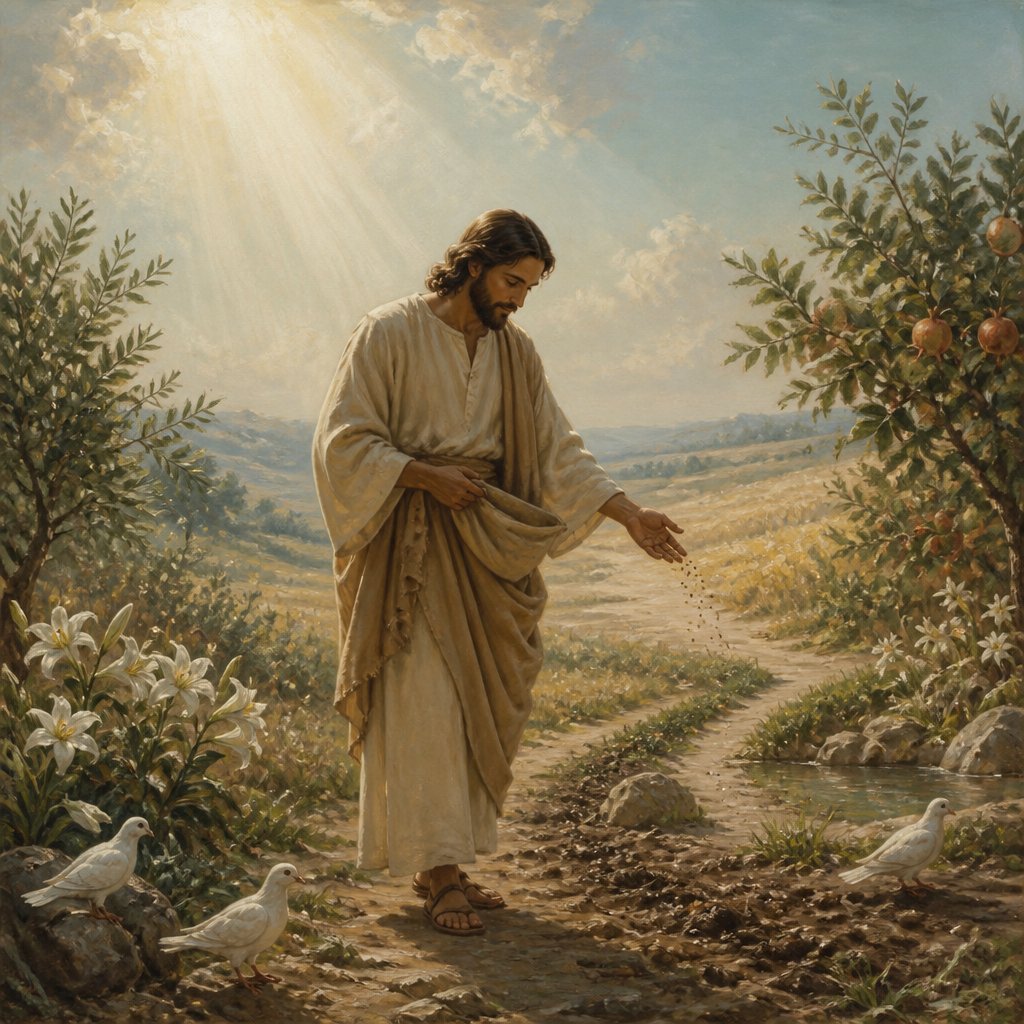
As we journey through life, we often find ourselves seeking wisdom from various sources. In our quest for understanding and direction, we encounter a defining distinction between worldly wisdom and wisdom that is derived from above. The Apostle James, in his letter, offers a profound insight into this matter, providing a beautiful portrait of true wisdom in James 3:17-18:
"But the wisdom that is from above is first pure, then peaceable, gentle, and easy to be intreated, full of mercy and good fruits, without partiality, and without hypocrisy. And the fruit of righteousness is sown in peace of them that make peace."
When James describes the characteristics of godly wisdom, he first emphasizes its purity. This is a purity that is untainted by the selfish motives and deceitful intentions that often characterize worldly wisdom. It is pure in its intentions and actions, always aligned with the heart of God. As we reflect on this, we should ponder: Are our actions infused with the purity that stems from heavenly insight? Do we seek to align our decisions with God’s will, or do we allow worldly influences to cloud our judgment?
Next, James notes that this wisdom is peaceable. In a world rife with conflict and strife, the call to pursue peace is more crucial than ever. Wisdom that brings about peace promotes harmony and reconciliation among individuals and communities. In our interactions, we must ask ourselves, do we advocate for peace in our words and deeds? As followers of Christ, we are called to be peacemakers, actively seeking to mend relationships and foster understanding.
The passage continues by describing heavenly wisdom as gentle and easy to be intreated. Gentleness is not weakness; it is strength under control. It is the humility of spirit that acknowledges other perspectives and is willing to engage in dialogue without hostility. James encourages us to embody this gentle spirit, especially in our relationships with others, so that we can effectively communicate and negotiate amid differences. Furthermore, being “easy to be intreated” suggests that we should be open to reason and willing to listen. How often do we find ourselves entrenched in our views, unable to hear or understand others? The wisdom from above invites us to step back and create space for conversation and understanding.
Full of mercy and good fruits, heavenly wisdom calls us to exhibit compassion towards others. In every interaction, we have the opportunity to extend mercy, reflecting the grace we receive from God. Good fruits flow naturally from this wisdom; they are the tangible outcomes of hearts transformed by divine love. We must examine our lives and ask whether the fruits we bear align with those of godly wisdom. Are we bringing forth acts of kindness and compassion that serve to uplift those around us?
James also emphasizes that this wisdom is without partiality and without hypocrisy. Here lies a profound challenge -- to embrace the truth that all individuals are created in the image of God, deserving of respect and dignity. No one should be favored based on appearance, status, or background. Our discernment must come from a place of sincerity and truth, devoid of masks or pretenses.
Finally, James ties this wisdom to the concept of righteousness, indicating that the fruit of righteousness is sown in peace by those who make peace. Righteousness and peace go hand in hand, for true righteousness (right-standing with God) emanates peace in our relationships. As we embrace divine wisdom, sowing peace in our lives, we partake in the beautiful cycle of creating a community where righteousness abounds.
In conclusion, as we meditate on James 3:17-18, let us strive to cultivate wisdom from above in our lives. Let’s commit ourselves to purity, peace, gentleness, listen openly, exercise mercy, avoid partiality and hypocrisy. These are not just ideals to aspire to, but they must become the very fabric of who we are as believers. May we be known as those who bring the wisdom of God into every situation, leading to a harvest of righteousness and peace in the world around us.
Get our apps


Artwork for James 3:17-18
"But the wisdom that comes from heaven is first of all pure; then peace-loving, considerate, submissive, full of mercy and good fruit, impartial and sincere. Peacemakers who sow in peace reap a harvest of righteousness." - James 3:17-18

Mark 3:17 - "And James the son of Zebedee, and John the brother of James; and he surnamed them Boanerges, which is, The sons of thunder:"

James 3:18 - "And the fruit of righteousness is sown in peace of them that make peace."

Mark 3:18 - "And Andrew, and Philip, and Bartholomew, and Matthew, and Thomas, and James the son of Alphaeus, and Thaddaeus, and Simon the Canaanite,"

1 Samuel 3:17-18

"And James the son of Zebedee, and John the brother of James; and he surnamed them Boanerges, which is, The sons of thunder:" - Mark 3:17

"And the fruit of righteousness is sown in peace of them that make peace." - James 3:18

James 3:17 - "But the wisdom that is from above is first pure, then peaceable, gentle, and easy to be intreated, full of mercy and good fruits, without partiality, and without hypocrisy."

Genesis 3:17-18 KJVA (17) And unto Adam he said, Because thou hast hearkened unto the voice of thy wife, and hast eaten of the tree, of which I commanded thee, saying, Thou shalt not eat of it: cursed is the ground for thy sake; in sorrow shalt thou eat of it all the days of thy life; (18) Thorns also and thistles shall it bring forth to thee; and thou shalt eat the herb of the field;

Mark 3:18 - "And Andrew, and Philip, and Bartholomew, and Matthew, and Thomas, and James the son of Alphaeus, and Thaddaeus, and Simon the Canaanite,"

Mark 3:18 - "And Andrew, and Philip, and Bartholomew, and Matthew, and Thomas, and James the son of Alphaeus, and Thaddaeus, and Simon the Canaanite,"

Mark 3:18 - "And Andrew, and Philip, and Bartholomew, and Matthew, and Thomas, and James the son of Alphaeus, and Thaddaeus, and Simon the Canaanite,"

JAMES 4:17

James 1:17

James 1:17

James 1:17

Matthew 17:1-3: After six days Jesus took with him Peter, James and John the brother of James, and led them up a high mountain by themselves. 2 There he was transfigured before them. His face shone like the sun, and his clothes became as white as the light. 3 Just then there appeared before them Moses and Elijah, talking with Jesus.

James 1:17

James 1:17

Matthew 17:1-3: After six days Jesus took with him Peter, James and John the brother of James, and led them up a high mountain by themselves. 2 There he was transfigured before them. His face shone like the sun, and his clothes became as white as the light. 3 Just then there appeared before them Moses and Elijah, talking with Jesus.

Matthew 17:1-3: After six days Jesus took with him Peter, James and John the brother of James, and led them up a high mountain by themselves. 2 There he was transfigured before them. His face shone like the sun, and his clothes became as white as the light. 3 Just then there appeared before them Moses and Elijah, talking with Jesus.

"And Andrew, and Philip, and Bartholomew, and Matthew, and Thomas, and James the son of Alphaeus, and Thaddaeus, and Simon the Canaanite," - Mark 3:18

James 1:17-22

James 2:17-18 - "So also faith by itself, if it does not have works, is dead. But someone will say, “You have faith and I have works.” Show me your faith apart from your works, and I will show you my faith by my works."

James 4:17 - "Therefore to him that knoweth to do good, and doeth it not, to him it is sin."

James 2:17 - "Even so faith, if it hath not works, is dead, being alone."

James 5:18 - "And he prayed again, and the heaven gave rain, and the earth brought forth her fruit."

Acts 21:18 - "And the day following Paul went in with us unto James; and all the elders were present."

James 1:3 - "Knowing this, that the trying of your faith worketh patience."

James 1:17-18 Every good and perfect gift is from above, coming down from the Father of the heavenly lights, who does not change like shifting shadows. He chose to give us birth through the word of truth, that we might be a kind of firstfruits of all he created.