The Vapor of Life: Living in the Light of God's Will
“Go to now, ye that say, To day or to morrow we will go into such a city, and continue there a year, and buy and sell, and get gain: Whereas ye know not what shall be on the morrow. For what is your life? It is even a vapour, that appeareth for a little time, and then vanisheth away. For that ye ought to say, If the Lord will, we shall live, and do this, or that.” — James 4:13-15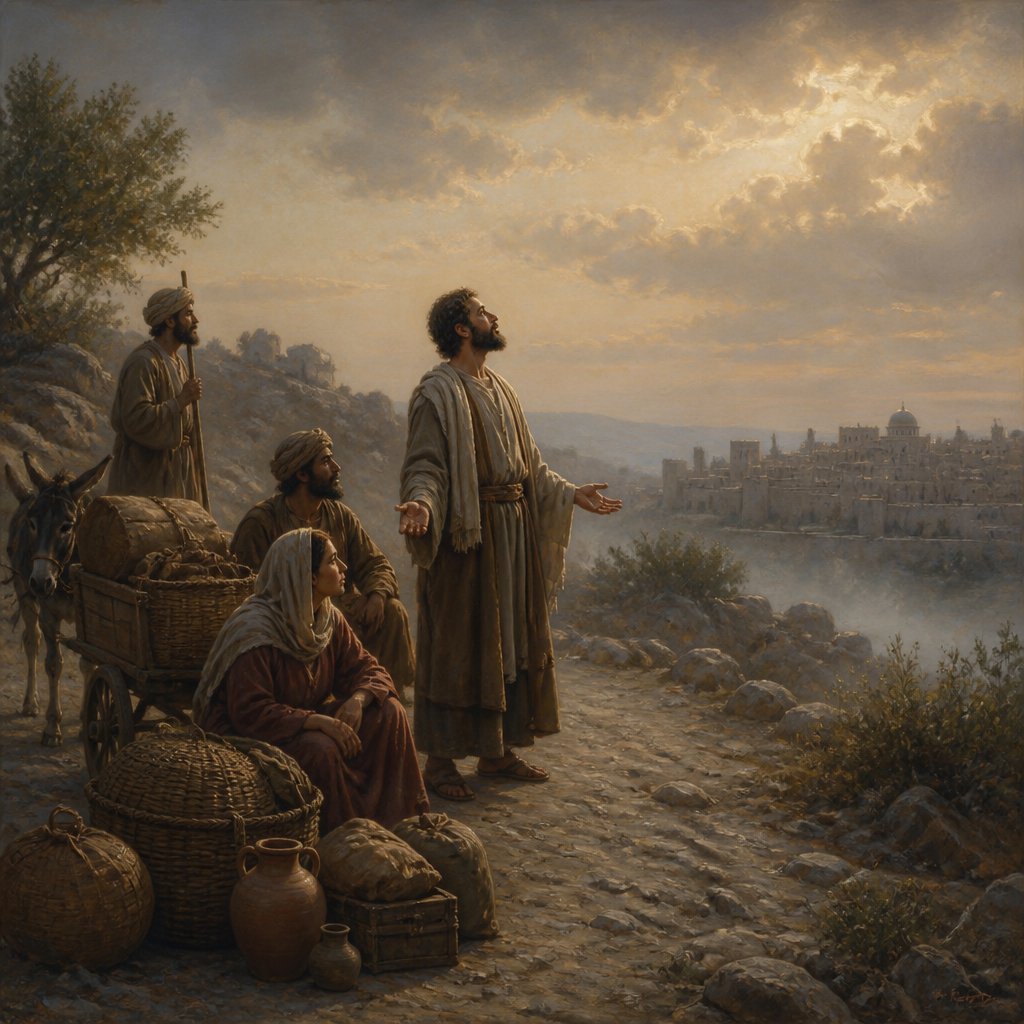
The book of James contains practical wisdom that challenges us to reflect on the motives of our hearts and the uncertainty of life. In James 4:13-15 (KJV), we are confronted with a stark reminder of our human frailty and the necessity of acknowledging God's sovereign will in all our plans:
"Now listen, you who say, 'Today or tomorrow we will go to this or that city, spend a year there, carry on business and make money.' Why, you do not even know what will happen tomorrow. What is your life? You are a mist that appears for a little while and then vanishes. Instead, you ought to say, 'If it is the Lord’s will, we will live and do this or that.'"
As we delve into this passage, we are invited to reassess how we approach life’s uncertainties, the plans we make, and the faith we profess. The outline painted by James begins with the presumption of certainty in our plans. How often do we identify specific goals and dreams, planning our lives as if they are guaranteed? The believers James addresses were likely engrossed in the routine of commerce, perhaps with intentions that seemed prudent. They claimed authority over their future instead of yielding it to God, who alone knows the nature of tomorrow.
The declaration they made—"Today or tomorrow we will go to this or that city” —reflects a confidence that excludes God from the equation. Ultimately, James reminds us of a profound truth:
"Why, you do not even know what will happen tomorrow." This reality checks our ambitions with the weight of human limitation. We are indeed finite beings, shaped by the circumstances that comprise our existence. Each day should be acknowledged as a gift from God, not an entitlement. The transient nature of our life is underscored poignantly with the imagery that transpires in the phrase, “What is your life? You are a mist that appears for a little while and then vanishes.”
This metaphor serves as an urgent call to humility. In contrast to the world’s view of life as a series of planned steps towards success, James invites us to embrace a spiritual perspective that recognizes life’s brevity and fragility.
Many of us occupy lives built on detailed plans piled atop long lists of goals and aspirations. Yet, how often do we genuinely seek the Lord amidst our scheduling? In their eagerness to manage their own affairs, these traders had neglected the importance of aligning their intentions with God's will.
Instead, James exhorts us, “Instead, you ought to say, 'If it is the Lord’s will, we will live and do this or that.'” This statement embodies submission to God's divine plan. Embracing the phrase "if it is the Lord’s will" opens our hearts to trust in God’s sovereignty. It suggests a posture of readiness to adapt to the course that God sets for us, one that may very well diverge from our own desires.
As believers in today’s fast-paced society, we, too, must confront the recklessness of overconfidence without God in our plans. The principle of surrender here transcends asking for God to bless our plans; rather, it compels us to invite Him into the dialogue of our decision-making processes.
Practically, we can implement this attitude of seeking the Lord’s will by engaging daily in prayer and reading the Scriptures, where we can glean His heart and purpose. Moreover, seeking counsel from wise mentors within our faith community can provide clarity.
Ultimately, the essence of these verses is a heartfelt invitation to an authentic relationship with the Father who holds our tomorrows. In simplifying life’s complexities under the banner of His will, we find solace, purpose, and direction amid uncertainty. So next time we make plans, let us pause, reflect, and utter, “If the Lord wills, we will…” making our journey a conscious surrender to His infinite wisdom and grace.
Get our apps


Artwork for James 4:13-15

James 4:13-15 - "Now listen, you who say, 'Today or tomorrow we will go to this or that city, spend a year there, carry on business and make money.' Why, you do not even know what will happen tomorrow. What is your life? You are a mist that appears for a little while and then vanishes. Instead, you ought to say, 'If it is the Lord’s will, we will live and do this or that.'"
"Now listen, you who say, 'Today or tomorrow we will go to this or that city, spend a year there, carry on business and make money.' Why, you do not even know what will happen tomorrow. What is your life? You are a mist that appears for a little while and then vanishes. Instead, you ought to say, 'If it is the Lord’s will, we will live and do this or that.'" - James 4:13-15

James 4:15 - "For that ye ought to say, If the Lord will, we shall live, and do this, or that."

Acts 15:13 - "¶ And after they had held their peace, James answered, saying, Men and brethren, hearken unto me:"

James 4:13 - "Go to now, ye that say, To day or to morrow we will go into such a city, and continue there a year, and buy and sell, and get gain:"
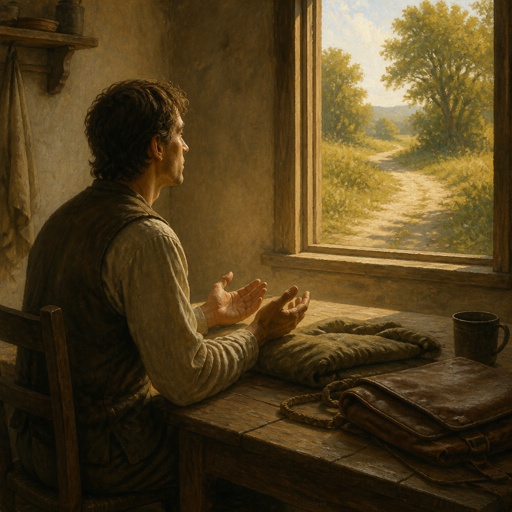
"For that ye ought to say, If the Lord will, we shall live, and do this, or that." - James 4:15

James 4:4
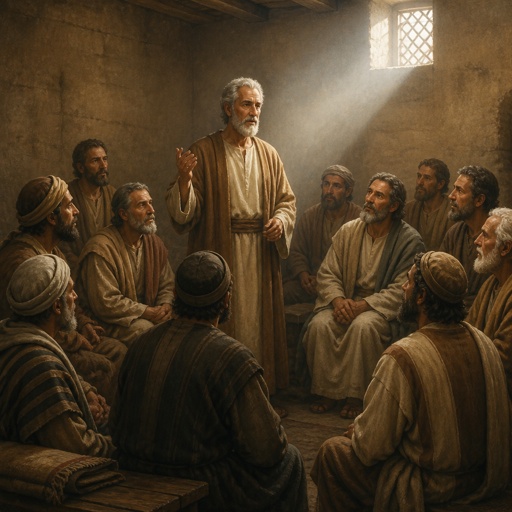
"¶ And after they had held their peace, James answered, saying, Men and brethren, hearken unto me:" - Acts 15:13

James 4:10

James 4:7

James 4:7

James 4:10

James 4:10

James 4:10

James 4:10

James 4:10

James 4:10

James 4:10

James 4:10

James 4:10

James 4:7

James 4:7

James 4:10

James 4:10

James 4:10

James 4:10

James 4:10

James 4:7

James 4:10

James 4:10