Covenant Remembrance: A Reflection on God's Faithfulness
“Do not abhor us, for thy name’s sake, do not disgrace the throne of thy glory: remember, break not thy covenant with us.” — Jeremiah 14:21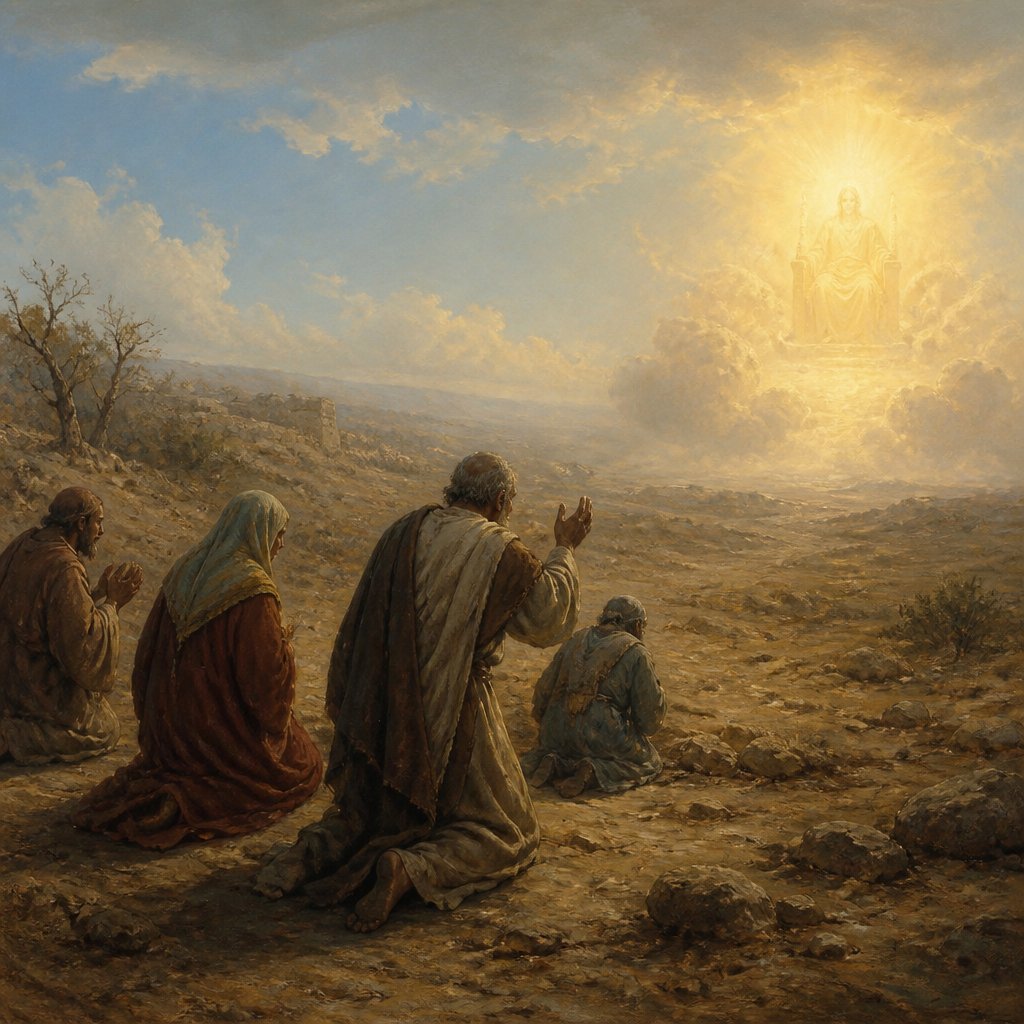
In the book of Jeremiah, much of the text serves as a poignant reminder of the intimate yet tumultuous relationship between God and His chosen people. Jeremiah 14:21 stands out as a heartfelt plea to the Creator: "Do not abhor us, for thy name's sake, do not disgrace the throne of thy glory: remember, break not thy covenant with us." This verse encapsulates profound themes of covenant, identity, and the enduring faithfulness of God even amidst the trials of life.
To comprehend the depth of this plea, we must first understand the historical context. The nation of Israel was experiencing severe drought and famine, a physical manifestation of divine displeasure due to their unfaithfulness. This situation prompted Jeremiah's intercession. In his prayer, Jeremiah acknowledges Israel’s failings and their desperate need for God’s mercy. The cry, "Do not abhor us," reveals a deep awareness of their sinful state, and yet, it is laden with the hope that their God will retain His compassion for the glory of His name.
The plea for mercy, "for thy name's sake," highlights a vital aspect of God's character. God's name is synonymous with His reputation and attributes. Acknowledging God’s name means recognizing His sovereignty, His holiness, and His faithfulness. Jeremiah appeals not simply due to Israel's worthiness, but rather because God's name is intertwined with His actions. When He honors His covenant, He brings glory to His name, further validating to the nations around them that He is the Almighty. Thus, our intercessions today should also be anchored not solely in our needs but in the understanding that God’s response reflects His nature and promises.
Furthermore, the phrase "do not disgrace the throne of thy glory" highlights another essential truth about God’s eternal kingship. It is a recognition that God rules with power and majesty and that His throne should never be diminished due to our failures. The people of Israel were acutely aware that their circumstances directly reflected on God’s reputation among the nations. They understood that if they were to be abandoned, it would not just affect their lives but would also speak to the reliability of their God. Thus, Jeremiah's heartfelt petition serves as a sacred reminder for us to examine our relationship with God—how do we encourage, or perhaps discourage, the perception of God’s glory through our actions?
Finally, the closing plea, "remember, break not thy covenant with us," is pivotal. God's covenant with Israel was His promise to be their God and for them to be His people; it was a commitment established not on Israel's faithfulness, but on God's unchanging faithfulness. Throughout the Scriptures, God’s covenants serve as a testament to His unwavering love, and deeper still, they impart hope during times of despair. When we find ourselves straying or ensnared by the trials of life, we, too, can echo this plea to our Sovereign God to remember the promises He has made to us.
As believers, we stand under a new covenant, sealed by the blood of Christ (Luke 22:20). This new covenant guarantees our place in God’s family, based not on our merits but on His grace. In reminding God of His covenant with us, we invoke the wonderful promises of His salvation, His presence, and His inheritance that we are to receive.
In conclusion, Jeremiah 14:21 is not just a historical recounting of a prayer in desperate times; it stands as an everlasting declaration of God's faithfulness. As we navigate the complexities of our lives, let us persistently ask God to remember His covenant with us, to act for the glory of His name, and to keep us anchored firmly in His grace. May we never forget that our God is always near, endlessly forgiving, and eternally faithful to His word, strengthening our refuge in moments of despair.
Get our apps


Artwork for Jeremiah 14:21

Jeremiah 14:21 - "Do not abhor us, for thy name's sake, do not disgrace the throne of thy glory: remember, break not thy covenant with us."
"Do not abhor us, for thy name's sake, do not disgrace the throne of thy glory: remember, break not thy covenant with us." - Jeremiah 14:21

Jeremiah 21:14 - "But I will punish you according to the fruit of your doings, saith the LORD: and I will kindle a fire in the forest thereof, and it shall devour all things round about it."

Jeremiah 21:3 - "¶ Then said Jeremiah unto them, Thus shall ye say to Zedekiah:"

Jeremiah 14:1 - "The word of the LORD that came to Jeremiah concerning the dearth."

Jeremiah 25:21 - "Edom, and Moab, and the children of Ammon,"

Jeremiah 37:14 - "Then said Jeremiah, It is false; I fall not away to the Chaldeans. But he hearkened not to him: so Irijah took Jeremiah, and brought him to the princes."

Exodus 14: 21

Genesis 21:14

Exodus 14: 21

Jeremiah 29: 4-14

Jeremiah 29: 4-14

Jeremiah 29: 4-14

Jeremiah 29: 4-14

Jeremiah 29: 4-14

"The word of the LORD that came to Jeremiah concerning the dearth." - Jeremiah 14:1

John 14:15-21

Matthew 14:13-21

Jeremiah 37:21 - "Then Zedekiah the king commanded that they should commit Jeremiah into the court of the prison, and that they should give him daily a piece of bread out of the bakers' street, until all the bread in the city were spent. Thus Jeremiah remained in the court of the prison."

Jeremiah 38:14 - "¶ Then Zedekiah the king sent, and took Jeremiah the prophet unto him into the third entry that is in the house of the LORD: and the king said unto Jeremiah, I will ask thee a thing; hide nothing from me."

Matthew 17:14-21

Jeremiah 38:21 - "But if thou refuse to go forth, this is the word that the LORD hath shewed me:"

Jeremiah 21:11 - "¶ And touching the house of the king of Judah, say, Hear ye the word of the LORD;"

"¶ Then said Jeremiah unto them, Thus shall ye say to Zedekiah:" - Jeremiah 21:3

Jeremiah 4:21 - "How long shall I see the standard, and hear the sound of the trumpet?"

Jeremiah 21:1 - "The word which came unto Jeremiah from the LORD, when king Zedekiah sent unto him Pashur the son of Melchiah, and Zephaniah the son of Maaseiah the priest, saying,"

"Edom, and Moab, and the children of Ammon," - Jeremiah 25:21

Jeremiah 14:11 - "Then said the LORD unto me, Pray not for this people for their good."
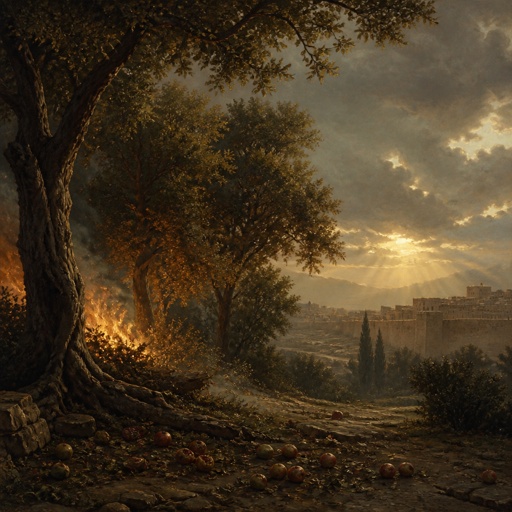
"But I will punish you according to the fruit of your doings, saith the LORD: and I will kindle a fire in the forest thereof, and it shall devour all things round about it." - Jeremiah 21:14

Jeremiah 49:21 - "The earth is moved at the noise of their fall, at the cry the noise thereof was heard in the Red sea."