God’s Back and the East Wind: A Reflection on Jeremiah 18:17
“I will scatter them as with an east wind before the enemy; I will shew them the back, and not the face, in the day of their calamity.” — Jeremiah 18:17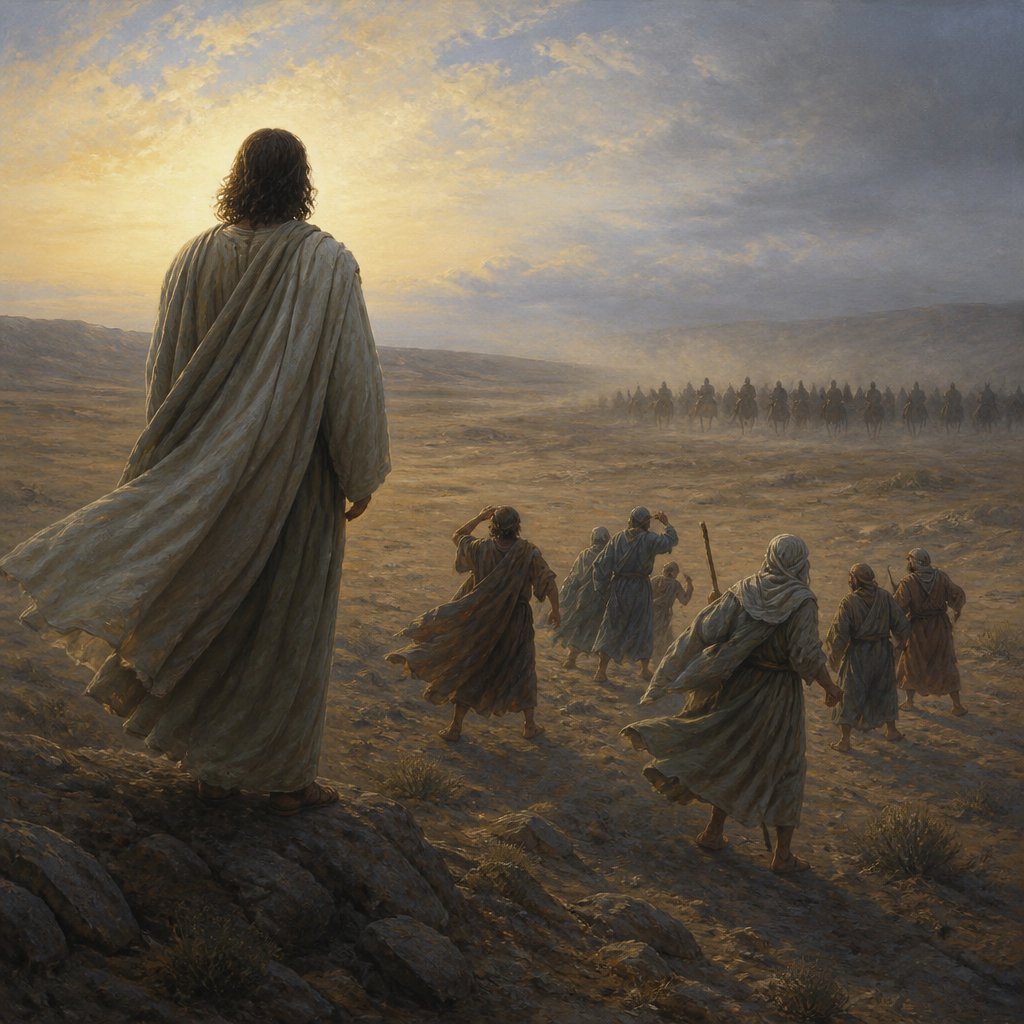
Jeremiah 18:17, as rendered in the King James Version, reads: "I will scatter them as with an east wind before the enemy; I will shew them the back, and not the face, in the day of their calamity." This verse presents a profound image that speaks to both judgment and mercy, and invites us into a deeper understanding of God’s ways in the lives of His people.
As we wrestle with this passage, it’s vital to pull back a bit to understand the context of Jeremiah’s message. Here, God speaks through His prophet to the nation of Israel, who had strayed far from the covenant they made with Him. Their sins had not gone unnoticed; God was not indifferent to their rebellion. This verse is a sobering reminder that God’s patience has limits, and when His people persist in disobedience, judgment can come swiftly.
The imagery of the east wind is rich with meaning. In the ancient Near East, the east wind often symbolized destruction and calamity. It was a force that could scatter, devastate, and lay waste to everything in its path. This metaphor illustrates how God’s judgment can feel unpredictable and overwhelming, much like a storm that arises unexpectedly. Those who turn away from Him do so knowingly; every moment spent in sin distances them from His protective embrace. Thus, the image of being scattered like chaff before the wind is a warning against the consequences of disobedience and a call to repentance. We are reminded that refusal to heed God's warning leads to tumult and separation.
God then states, "I will shew them the back, and not the face, in the day of their calamity." Here, God communicates that there comes a time when He may withdraw His presence and protection. Seeing God’s back means that we are out of His favor, a poignant reminder that His intimacy is contingent on our adherence to His ways. In the context of this verse, the “day of their calamity” signifies a moment of reckoning—a day when the consequences of neglecting God’s truth and pleading make themselves evident. When calamity arrives, it is critical that we understand it may be a means of divine discipline, aimed not just at punishment but at eventual restoration and awareness of our need for God.
Yet, even in the midst of judgment, we can find grace. The very fact that God communicates these consequences through the prophet implies that there is still time to turn back. His desire is not to see us suffer but rather that we would see the folly of our ways, repent, and return to Him. This is a theme underscored throughout Scripture: God’s relentless pursuit of His people, even when it requires hard truths to wake us from our slumber.
So how do we apply this verse to our lives today? First, it serves as a reminder to examine our hearts and lives. Are there areas where we have drifted? Are there consistent patterns of disobedience that we have turned a blind eye to? The threat of calamity isn’t something we should fear when we are aligned with God, but it has a purpose for those who stray. It is an invitation to remember that God desires to reveal His face to us, not His back.
Secondly, there is comfort to be found in knowing that God’s discipline is never without love. Just as a parent disciplines a child for their good, God orchestrates circumstances in our lives for our ultimate benefit. When we face difficulties, may we ask ourselves what God is trying to teach us, rather than solely cry out for deliverance from pain.
Finally, let us also extend grace to others who might be facing their own "day of calamity." Rather than judgment, let us offer love and compassion, inviting them to consider a path of reconciliation with God who waits patiently for us to turn back to Him.
In conclusion, Jeremiah 18:17 is a sobering but ultimately hopeful reminder of God’s justice intertwined with His mercy. It calls us to vigilance in our own lives, an acknowledgment of God’s sovereignty in calamity, and a gracious outreach to others who may be suffering the consequences of sin.
Let us continually seek His face, lest we be reminded what it feels like to have our backs turned to Him, scattered before the storms of life.
Get our apps


Artwork for Jeremiah 18:17

Jeremiah 18:17 - "I will scatter them as with an east wind before the enemy; I will shew them the back, and not the face, in the day of their calamity."
"I will scatter them as with an east wind before the enemy; I will shew them the back, and not the face, in the day of their calamity." - Jeremiah 18:17

Jeremiah 17:18 - "Let them be confounded that persecute me, but let not me be confounded: let them be dismayed, but let not me be dismayed: bring upon them the day of evil, and destroy them with double destruction."

Jeremiah 18:1 - "The word which came to Jeremiah from the LORD, saying,"

Matthew 17:17-18

Matthew 17:17-18

Jeremiah 17:17 - "Be not a terror unto me: thou art my hope in the day of evil."

Jeremiah 32:18

Jeremiah 23:18

John 7:17-18

John 7:17-18

John 7:17-18

John 7:17-18

Jeremiah 17:7-8

Jeremiah 17:7-8

Jeremiah 17:7-8

Jeremiah 17:7-8

Genesis 18-17

Genesis 17-18

Jeremiah 18:5 - "Then the word of the LORD came to me, saying,"

Matthew 6:17-18

Psalm 139:17-18

"The word which came to Jeremiah from the LORD, saying," - Jeremiah 18:1

Psalm 139:17-18

Psalm 139:17-18

Psalm 139:17-18

Psalm 139:17-18

Psalm 139:17-18

Psalm 139:17-18

Jeremiah 18:18 - "¶ Then said they, Come, and let us devise devices against Jeremiah; for the law shall not perish from the priest, nor counsel from the wise, nor the word from the prophet. Come, and let us smite him with the tongue, and let us not give heed to any of his words."