The Divine Command: Writing Our Testimonies
“Thus speaketh the LORD God of Israel, saying, Write thee all the words that I have spoken unto thee in a book.” — Jeremiah 30:2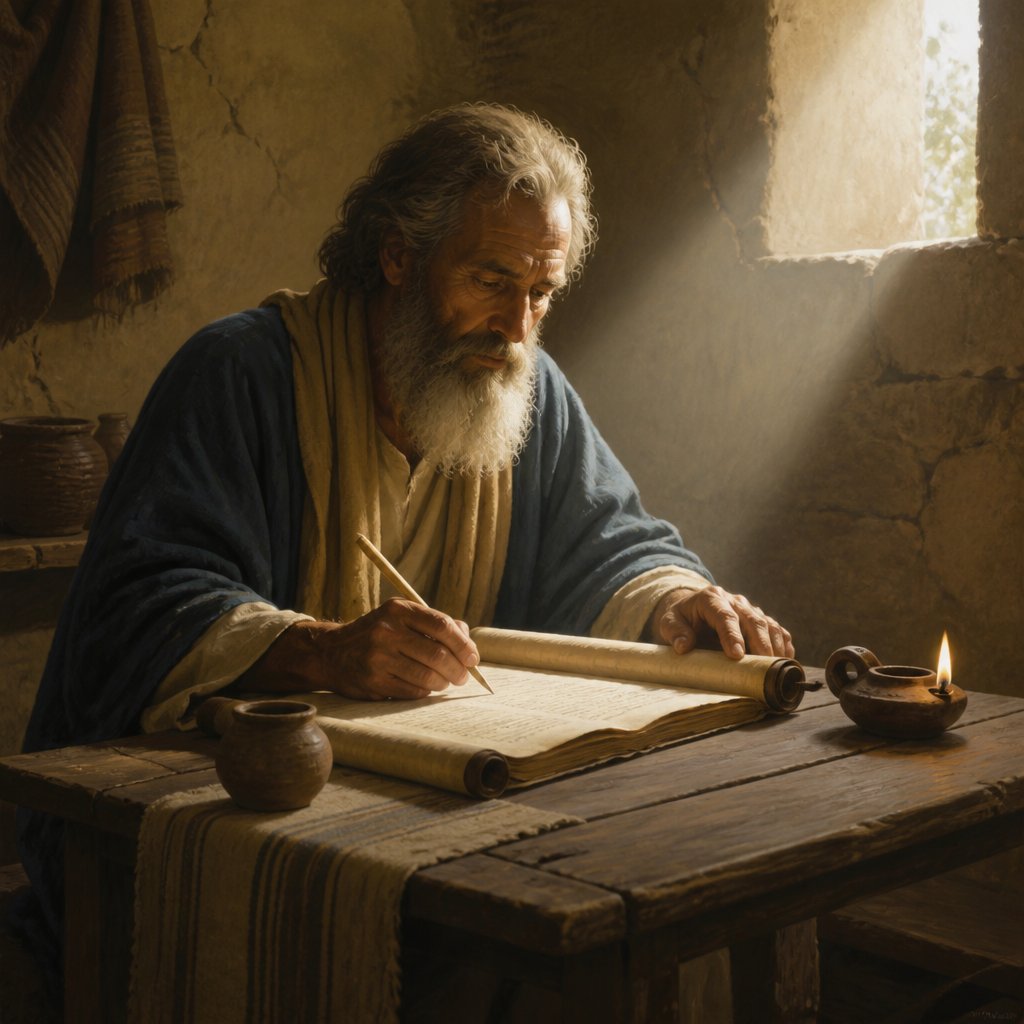
In the book of Jeremiah, we encounter a pivotal moment, particularly in Jeremiah 30:2, where the Lord gives a profound instruction to the prophet: "Thus speaketh the LORD God of Israel, saying, Write thee all the words that I have spoken unto thee in a book." This command is not merely an invitation but a divine directive that encapsulates the essence of recording God’s Word and the importance of preserving the revelations communicated throughout history.
To understand the weight of this command, we must recognize the context in which it was given. At this point in Jeremiah’s ministry, Israel was in turmoil, facing impending judgment and exile. The people were disheartened, confused, and in desperate need of hope and restoration. God, knowing the deep despair of His people, instructs Jeremiah to write. Writing in biblical times was a way to preserve and transmit knowledge, truth, and divine revelations. The written word carries the power of permanence and clarity, acting as a divine record of God’s faithfulness.
As we reflect on this directive, we can derive several important lessons for our own spiritual journey. First, the act of writing becomes a tool for remembrance. Throughout Scripture, we see God instructing His people to remember His wonders (Psalm 78:4) and His mighty acts (Psalm 145:5). Writing serves as a tangible way to recount God’s faithfulness in our lives, especially during challenging seasons. As we pen down our experiences, prayers, and the revelations God has gifted us, we create a testimony that encourages not only ourselves but also others who may walk a similar path.
Furthermore, writing provides clarity. In the fray of life’s hardships, it’s easy to forget specific promises or insights God has shared with us. However, through the act of writing, we can examine and ponder His Words. In Habakkuk 2:2, the Lord instructs Habakkuk, "Write the vision, and make it plain upon tables, that he may run that readeth it." By putting God’s words on paper, we clarify our thoughts and deepen our understanding of His purposes and plans.
Additionally, this command to write emphasizes the importance of being diligent in our faith. It prompts a question: Are we actively listening to God’s voice? Are we attentive enough to capture His words? God desires for us to engage deeply with Him, to seek and discern His truth in our daily lives. When we take the time to write down our prayers, reflections, and the lessons we learn, we cultivate a habit of mindfulness that keeps us grounded in our faith.
The act of writing also has a communal aspect. Historically, many of the writings that emerged from the prophets were not only for personal encouragement but were intended for the entire nation. They were meant to be read aloud, shared, and discussed within the community of believers. When we share our own writings—whether it be testimonies, poems, or reflections—we contribute to the body of Christ, offering encouragement, lessons, and reminders of God’s love and sovereignty.
In conclusion, Jeremiah 30:2 beckons us to engage with the divine through writing. It encourages us to document the powerful ways God has worked in our lives, to establish a heritage of faith that can be passed down through generations. By remaining attentive and obedient to the invitation to write, we not only preserve God's Word but also glorify Him as we reflect on all He has done. Let us take up our pens, or keyboards, and begin to write down the words that He has spoken to us, creating a testimony that echoes through time, affirming His everlasting truth and love. God is speaking; let us listen and record.
Get our apps


Artwork for Jeremiah 30:2

Jeremiah 30:2 - "Thus speaketh the LORD God of Israel, saying, Write thee all the words that I have spoken unto thee in a book."
"Thus speaketh the LORD God of Israel, saying, Write thee all the words that I have spoken unto thee in a book." - Jeremiah 30:2

Jeremiah 30:1 - "The word that came to Jeremiah from the LORD, saying,"

Jeremiah 29:30 - "¶ Then came the word of the LORD unto Jeremiah, saying,"

Jeremiah 2:30 - "In vain have I smitten your children; they received no correction: your own sword hath devoured your prophets, like a destroying lion."

Jeremiah 5:30 - "¶ A wonderful and horrible thing is committed in the land;"

"¶ Then came the word of the LORD unto Jeremiah, saying," - Jeremiah 29:30

"The word that came to Jeremiah from the LORD, saying," - Jeremiah 30:1

Jehoiachin in Jeremiah 22:22-30

Jeremiah 2:30 "In vain have I smitten your children; they received no correction: your own sword hath devoured your prophets, like a destroying lion."

Jeremiah 30:4 - "¶ And these are the words that the LORD spake concerning Israel and concerning Judah."

Jeremiah 30:22 - "And ye shall be my people, and I will be your God."

Jeremiah 2:30 "In vain have I smitten your children; they received no correction: your own sword hath devoured your prophets, like a destroying lion."

Jeremiah 30:12 - "For thus saith the LORD, Thy bruise is incurable, and thy wound is grievous."

Jeremiah 30:5 - "For thus saith the LORD; We have heard a voice of trembling, of fear, and not of peace."

Jeremiah 6:30 - "Reprobate silver shall men call them, because the LORD hath rejected them."

Jeremiah 52:28-30 - "Jeremiah 52:28-30: 28 This is the people whom Nebuchadrezzar carried away captive: in the seventh year three thousand Jews and three and twenty: 29 In the eighteenth year of Nebuchadrezzar he carried away captive from Jerusalem eight hundred thirty and two persons: 30 In the three and twentieth year of Nebuchadrezzar Nebuzaradan the captain of the guard carried away captive of the Jews seven hundred forty and five persons: all the persons were four thousand and six hundred."

"¶ A wonderful and horrible thing is committed in the land;" - Jeremiah 5:30

Jeremiah 30:13 - "There is none to plead thy cause, that thou mayest be bound up: thou hast no healing medicines."

Jeremiah 30:9 - "But they shall serve the LORD their God, and David their king, whom I will raise up unto them."

Jeremiah 48:30 - "I know his wrath, saith the LORD; but it shall not be so; his lies shall not so effect it."

Jeremiah 30:7 - "Alas! for that day is great, so that none is like it: it is even the time of Jacob's trouble; but he shall be saved out of it."

Jeremiah 30:20 - "Their children also shall be as aforetime, and their congregation shall be established before me, and I will punish all that oppress them."

Jeremiah 30:23 - "Behold, the whirlwind of the LORD goeth forth with fury, a continuing whirlwind: it shall fall with pain upon the head of the wicked."

Jeremiah 23:30 - "Therefore, behold, I am against the prophets, saith the LORD, that steal my words every one from his neighbour."

"And ye shall be my people, and I will be your God." - Jeremiah 30:22

"¶ And these are the words that the LORD spake concerning Israel and concerning Judah." - Jeremiah 30:4

Jeremiah 50:30 - "Therefore shall her young men fall in the streets, and all her men of war shall be cut off in that day, saith the LORD."

Jeremiah 31:30 - "But every one shall die for his own iniquity: every man that eateth the sour grape, his teeth shall be set on edge."

"In vain have I smitten your children; they received no correction: your own sword hath devoured your prophets, like a destroying lion." - Jeremiah 2:30