The New Covenant: Knowing God in Intimacy
“And they shall teach no more every man his neighbour, and every man his brother, saying, Know the LORD: for they shall all know me, from the least of them unto the greatest of them, saith the LORD: for I will forgive their iniquity, and I will remember their sin no more.” — Jeremiah 31:34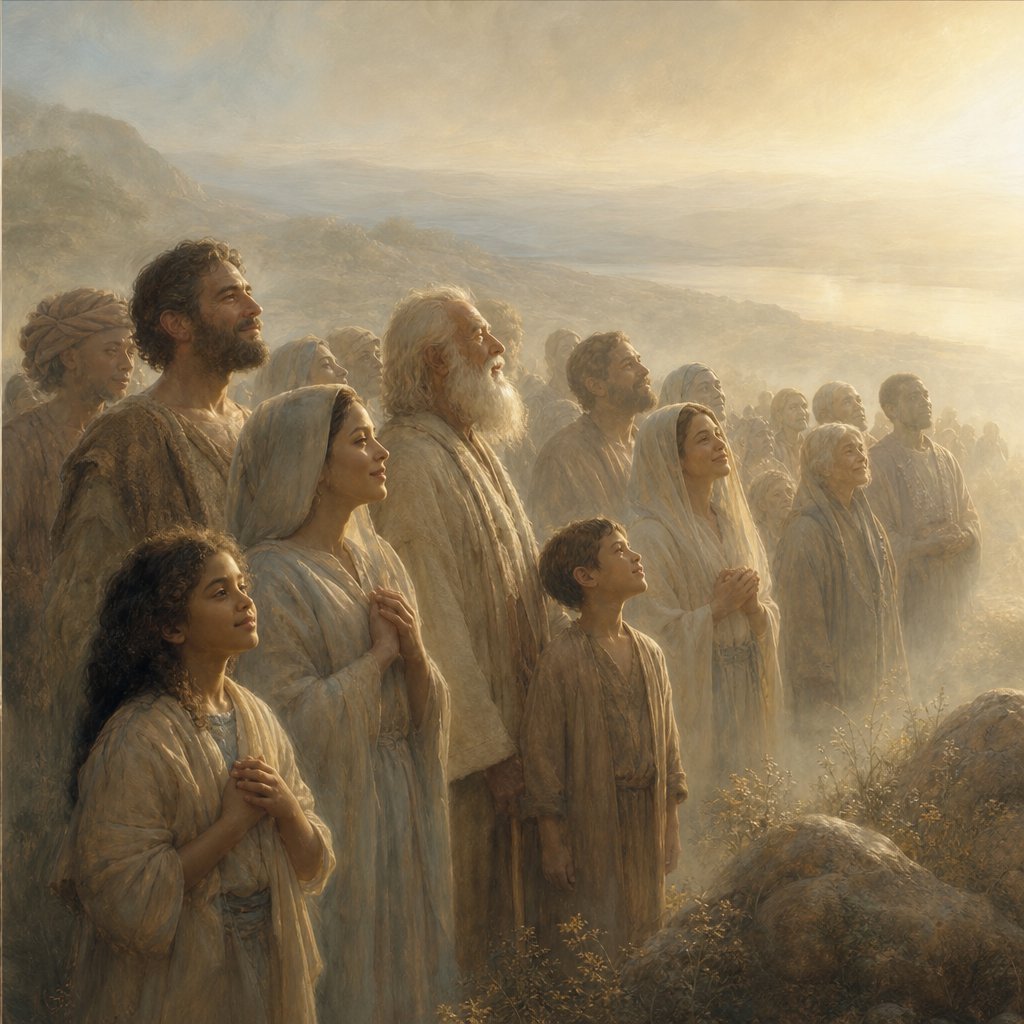
In Jeremiah 31:34, we find an incredible promise, which reads, "And they shall teach no more every man his neighbour, and every man his brother, saying, Know the LORD: for they shall all know me, from the least of them unto the greatest of them, saith the LORD: for I will forgive their iniquity, and I will remember their sin no more." This verse encapsulates the essence of the New Covenant that God establishes with His people, characterized by deep personal relationship and complete forgiveness.
The context of this verse unfolds when the people of Israel were in exile, longing for restoration and renewal. God speaks tenderly through Jeremiah, proclaiming a day when knowledge of Him will not come merely through teaching and instruction, but through direct, personal experience. In a world filled with religious practices and moral expectations, this promise highlights the transformation into a relationship where everyone, regardless of status or circumstance, can have direct access to God.
This imagery evokes a remarkable shift in how one might approach their faith. Knowledge of the LORD is no longer a distant ideal, or something that can only be attained through intermediaries such as priests or prophets. Instead, God offers an all-encompassing intimacy: from the least to the greatest, every individual has the potential to know Him. This radical inclusivity is a cornerstone of the New Covenant, blurring the lines that societal structures often enforce.
Moreover, the verse emphasizes a critical aspect of God’s character: His willingness to forgive. "I will forgive their iniquity, and I will remember their sin no more." This statement reveals not just an act of forgiveness, but a complete obliteration of guilt against us. In the world today, we often grapple with the weight of our wrongdoings—whether through personal failure or the hurt we inflict upon others. Yet, here lies the profound truth: God chooses to forget. This is not mere human forgetfulness, which is often shallow and fraught with emotional ties; rather, this divine forgetfulness is a deliberate act of love, promising that the past does not define our identity in Christ.
Jesus Christ’s sacrifice on the cross is the fulcrum of this New Covenant. Through His blood, He facilitated a direct relationship between humanity and the Father. The curtain that separated the Holy of Holies from the rest of the world has been torn, symbolizing that every believer, regardless of their background or history, can now approach God’s throne with confidence (Hebrews 10:19-22). This access empowers us not only to learn of God but to experience Him as a living reality in our daily lives.
In practical terms, what does it mean for us to all know God today? It entails seeking Him personally through prayer and study of His Word. It invites us into a relational dynamic where obedience flows from love rather than obligation. Engaging with God, we can cry out, "Know me, Father," knowing that He has already invited us into His presence.
As we navigate our everyday lives, let us remember that we are part of this New Covenant—a covenant marked by intimacy, love, and forgiveness. In our struggles, let us affirm God’s promise: “I will forgive their iniquity...” and with this knowledge, tackle feelings of inadequacy or shame. We are no longer defined by our past actions but instead are defined by a future filled with potential and belonging.
Thus, as we meditate on Jeremiah 31:34, let us celebrate our relationship with God, recognize our forgiven status, and embrace the journey of knowing Him more deeply. We are not just followers; we are children, intimately known and passionately loved. Let this assurance propel us into a life where we share this knowledge of God with those around us, not merely through words alone but through the shining example of our transformed lives.
Get our apps


Artwork for Jeremiah 31:34

Jeremiah 31:34 - "And they shall teach no more every man his neighbour, and every man his brother, saying, Know the LORD: for they shall all know me, from the least of them unto the greatest of them, saith the LORD: for I will forgive their iniquity, and I will remember their sin no more."
"And they shall teach no more every man his neighbour, and every man his brother, saying, Know the LORD: for they shall all know me, from the least of them unto the greatest of them, saith the LORD: for I will forgive their iniquity, and I will remember their sin no more." - Jeremiah 31:34

Exodus 28:31-34

Mark 3:31-34

Exodus 28:31-34

Exodus 28:31-34

Jeremiah 31:31-33

Jeremiah 31:31-33

Numbers 31:34 - "And threescore and one thousand asses,"

Jeremiah 34:12 - "¶ Therefore the word of the LORD came to Jeremiah from the LORD, saying,"

Genesis 34:31 - "And they said, Should he deal with our sister as with an harlot?"

Jeremiah 34:6 - "Then Jeremiah the prophet spake all these words unto Zedekiah king of Judah in Jerusalem,"

Nehemiah 12:34 - "Judah, and Benjamin, and Shemaiah, and Jeremiah,"

"And threescore and one thousand asses," - Numbers 31:34

Jeremiah 49:34 - "¶ The word of the LORD that came to Jeremiah the prophet against Elam in the beginning of the reign of Zedekiah king of Judah, saying,"

Jeremiah 31:31 - "¶ Behold, the days come, saith the LORD, that I will make a new covenant with the house of Israel, and with the house of Judah:"

Job 34:31 - "Surely it is meet to be said unto God, I have borne chastisement, I will not offend any more:"

Exodus 34:31 - "And Moses called unto them; and Aaron and all the rulers of the congregation returned unto him: and Moses talked with them."

Jeremiah 32:34 - "But they set their abominations in the house, which is called by my name, to defile it."

"¶ Therefore the word of the LORD came to Jeremiah from the LORD, saying," - Jeremiah 34:12

Ezekiel 34:31 - "And ye my flock, the flock of my pasture, are men, and I am your God, saith the Lord GOD."

"Judah, and Benjamin, and Shemaiah, and Jeremiah," - Nehemiah 12:34
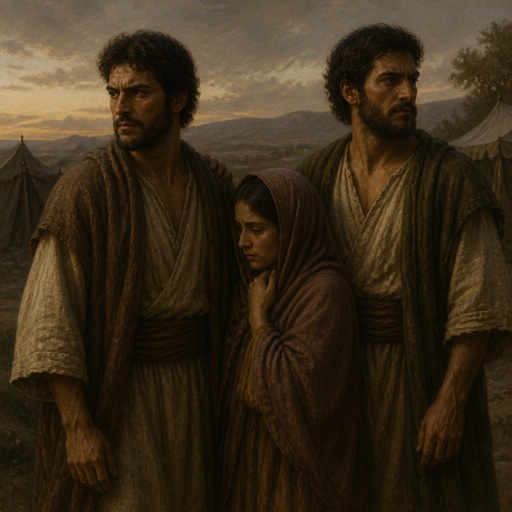
"And they said, Should he deal with our sister as with an harlot?" - Genesis 34:31

Jeremiah 31:25 put bible verse on it
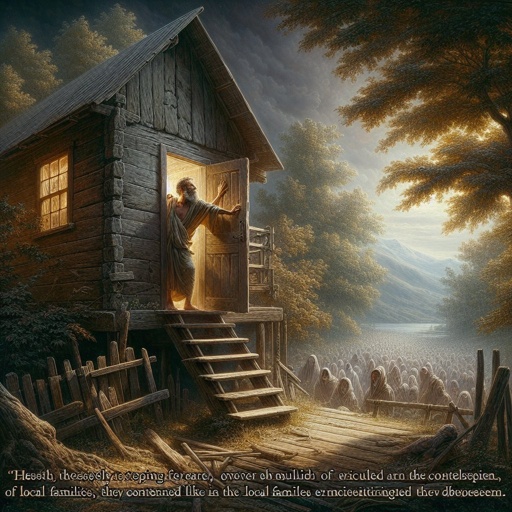
Job 31:34 - "Did I fear a great multitude, or did the contempt of families terrify me, that I kept silence, and went not out of the door?"

Jeremiah 34:8 - "¶ This is the word that came unto Jeremiah from the LORD, after that the king Zedekiah had made a covenant with all the people which were at Jerusalem, to proclaim liberty unto them;"

Jeremiah 31:31-34 - "Behold, the days come, saith the LORD, that I will make a new covenant with the house of Israel, and with the house of Judah: Not according to the covenant that I made with their fathers in the day that I took them by the hand to bring them out of the land of Egypt; which my covenant they brake, although I was an husband unto them, saith the LORD: But this shall be the covenant that I will make with the house of Israel; After those days, saith the LORD, I will put my law in their inward parts, and write it in their hearts; and will be their God, and they shall be my people. And they shall teach no more every man his neighbour, and every man his brother, saying, Know the LORD: for they shall all know me, from the least of them unto the greatest of them, saith the LORD: for I will forgive their iniquity, and I will remember their sin no more."

Jeremiah 31:26 - "Upon this I awaked, and beheld; and my sleep was sweet unto me."

"Then Jeremiah the prophet spake all these words unto Zedekiah king of Judah in Jerusalem," - Jeremiah 34:6

Genesis 31:34 - "Now Rachel had taken the images, and put them in the camel's furniture, and sat upon them. And Laban searched all the tent, but found them not."