Understanding Betrayal Through Baruch's Lens
“But Baruch the son of Neriah setteth thee on against us, for to deliver us into the hand of the Chaldeans, that they might put us to death, and carry us away captives into Babylon.” — Jeremiah 43:3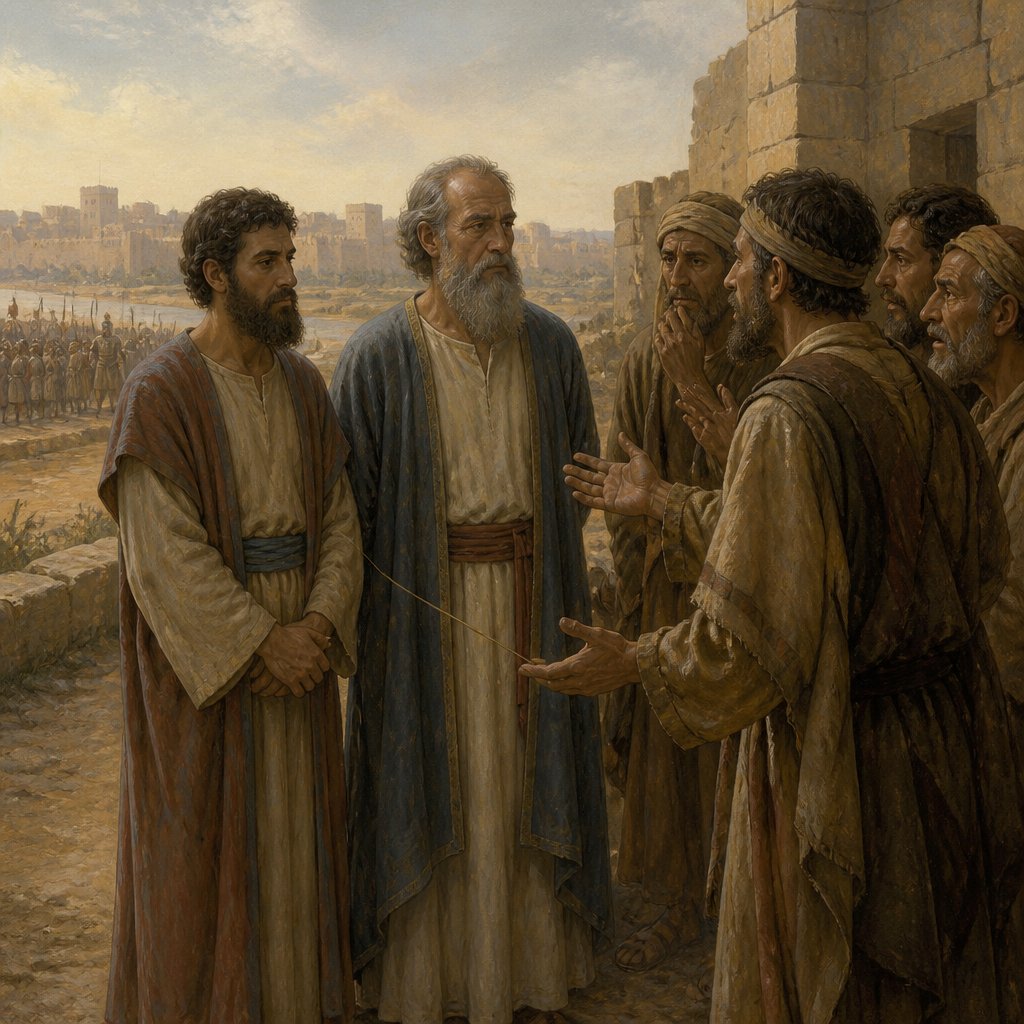
In the midst of chaos, fear, and uncertainty, the passage from Jeremiah 43:3 serves as a profound reminder of the complexities of human relationships and the ever-present struggle between trust and betrayal. The verse reads, "But Baruch the son of Neriah setteth thee on against us, for to deliver us into the hand of the Chaldeans, that they might put us to death, and carry us away captives into Babylon." This poignant declaration encapsulates not only the turmoil of the moment but also the deeply rooted fears that come with leadership, prophecy, and understanding divine will.
Throughout the book of Jeremiah, we see a prophet burdened by the call of God, tasked with delivering unwelcome messages to a nation that has turned away from its Creator. Baruch, Jeremiah’s scribe and confidant, is mentioned multiple times in this narrative, often as a devoted servant who supports Jeremiah in his prophetic mission. However, in this verse, we see a twist that forces us to confront the discomfort of perceived betrayal, accusation, and fear of abandonment.
The accusation levied against Baruch not only reflects the fear of the Israelites but also reveals the broader human tendency to seek scapegoats during times of crisis. When faced with overwhelming existential threats, such as those posed by the Chaldeans, it is easy to deflect responsibility onto others. Baruch's immediate association with potential betrayal indicates a deeper struggle within the hearts of the people—one that resonates deeply with our own experiences.
As we reflect upon this passage, we must confront the acute pain and anxiety that often accompany the prospect of betrayal. The complexity of human relationships can lead us to doubt and distrust—even those closest to us, who may have our best interests at heart. It is essential to recognize that behind every accusation lies a story of fear; a fear of the unknown and the overwhelming pressure of impending doom. In this historical context, the people were terrified of falling into the hands of their conquerors, and in their desperation, they grasped for someone to blame.
However, this verse also beckons us to examine our own spiritual response to betrayal. How do we react when we feel wronged or when someone we trust appears to work against us? The first step is to communicate and engage with God, building a foundation of prayer and connection. God, who sees the hearts of all men, is aware of our trials and tribulations and encourages us to bring our fears and apprehensions before Him. Instead of harboring resentment or falling into despair, let us turn these painful feelings into earnest prayer. God will provide guidance and wisdom, reminding us that He is sovereign even when situations feel out of control.
Furthermore, we must extend the same grace to others that we would hope to receive ourselves. Just as Baruch was accused wrongly, there are countless instances where we might cast judgment without fully understanding the circumstances. Each individual is on their own journey, and we must remember that every heart has its struggles, miscommunications, and motives that may not align with our expectations.
Ultimately, the assurance we can draw from Jeremiah 43:3 is twofold: First, it serves as a reminder of the ever-present possibility of betrayal and misunderstanding in our lives. Second, and more importantly, it underscores the need for trust in God's plans, even amidst the turmoil and misinterpretation of actions. In the grand scheme of His redemptive narrative, what appears to be ill-intent can often serve a greater purpose. We are called to trust, to seek Him in our distress, and to uplift one another in times of doubt.
In conclusion, as we meditate on this verse today, let us seek to cultivate an attitude of understanding, turning our eyes to the source of our comfort and strength—our Lord. May we approach our own struggles with grace, both towards ourselves and towards those who may inadvertently contribute to our discomfort. With every act of betrayal, may we deepen our trust in God's providence, knowing He uses all things for our good and His glory.
Get our apps


Artwork for Jeremiah 43:3

Jeremiah 43:3 - "But Baruch the son of Neriah setteth thee on against us, for to deliver us into the hand of the Chaldeans, that they might put us to death, and carry us away captives into Babylon."
"But Baruch the son of Neriah setteth thee on against us, for to deliver us into the hand of the Chaldeans, that they might put us to death, and carry us away captives into Babylon." - Jeremiah 43:3

Jeremiah 43:8 - "¶ Then came the word of the LORD unto Jeremiah in Tahpanhes, saying,"

"¶ Then came the word of the LORD unto Jeremiah in Tahpanhes, saying," - Jeremiah 43:8

Jeremiah 43:7 - "So they came into the land of Egypt: for they obeyed not the voice of the LORD: thus came they even to Tahpanhes."

Jeremiah 48:43 - "Fear, and the pit, and the snare, shall be upon thee, O inhabitant of Moab, saith the LORD."

Jeremiah 43:6 - "Even men, and women, and children, and the king's daughters, and every person that Nebuzar-adan the captain of the guard had left with Gedaliah the son of Ahikam the son of Shaphan, and Jeremiah the prophet, and Baruch the son of Neriah."

Jeremiah 43:1 - "And it came to pass, that when Jeremiah had made an end of speaking unto all the people all the words of the LORD their God, for which the LORD their God had sent him to them, even all these words,"

Jeremiah 43:2 - "Then spake Azariah the son of Hoshaiah, and Johanan the son of Kareah, and all the proud men, saying unto Jeremiah, Thou speakest falsely: the LORD our God hath not sent thee to say, Go not into Egypt to sojourn there:"

Jeremiah 32:43 - "And fields shall be bought in this land, whereof ye say, It is desolate without man or beast; it is given into the hand of the Chaldeans."

Jeremiah 43:13 - "He shall break also the images of Beth-shemesh, that is in the land of Egypt; and the houses of the gods of the Egyptians shall he burn with fire."

Jeremiah 43:4 - "So Johanan the son of Kareah, and all the captains of the forces, and all the people, obeyed not the voice of the LORD, to dwell in the land of Judah."

Jeremiah 43:11 - "And when he cometh, he shall smite the land of Egypt, and deliver such as are for death to death; and such as are for captivity to captivity; and such as are for the sword to the sword."

Jeremiah 50:43 - "The king of Babylon hath heard the report of them, and his hands waxed feeble: anguish took hold of him, and pangs as of a woman in travail."

Jeremiah 43:9 - "Take great stones in thine hand, and hide them in the clay in the brickkiln, which is at the entry of Pharaoh's house in Tahpanhes, in the sight of the men of Judah;"

Jeremiah 51:43 - "Her cities are a desolation, a dry land, and a wilderness, a land wherein no man dwelleth, neither doth any son of man pass thereby."

Jeremiah 48:43 Fear and the pit and the snare shall be upon you, O inhabitant of Moab," says the Lord.
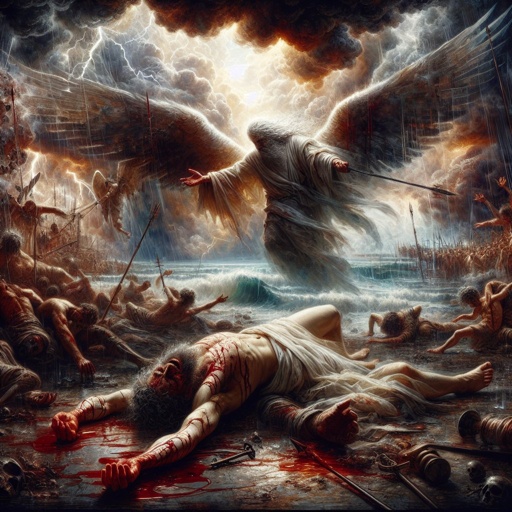
Lamentations 3:43 - "Thou hast covered with anger, and persecuted us: thou hast slain, thou hast not pitied."

Jeremiah 48:43 Fear and the pit and the snare shall be upon you, O inhabitant of Moab," says the Lord.

Jeremiah 43:5 - "But Johanan the son of Kareah, and all the captains of the forces, took all the remnant of Judah, that were returned from all nations, whither they had been driven, to dwell in the land of Judah;"
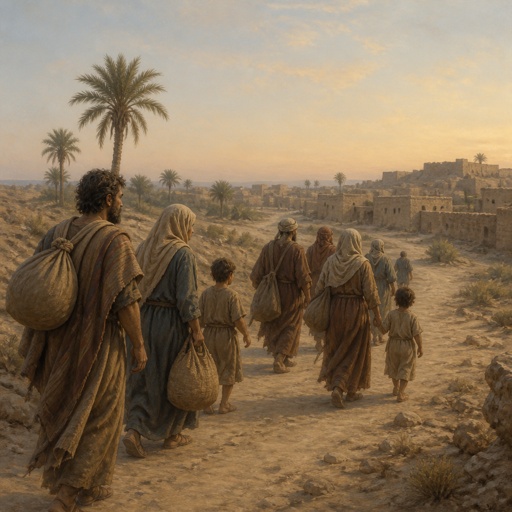
"So they came into the land of Egypt: for they obeyed not the voice of the LORD: thus came they even to Tahpanhes." - Jeremiah 43:7
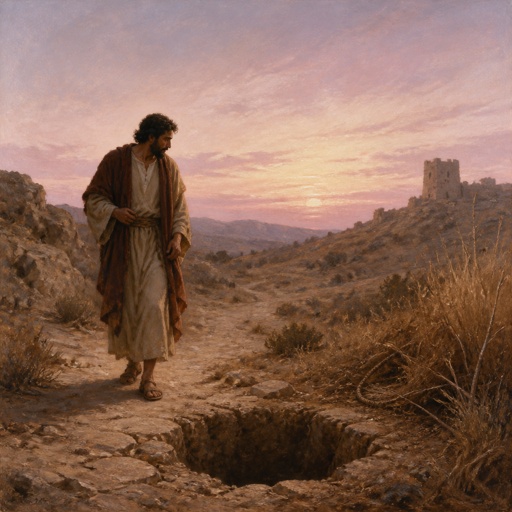
"Fear, and the pit, and the snare, shall be upon thee, O inhabitant of Moab, saith the LORD." - Jeremiah 48:43

Jeremiah 43:9 "Take large stones in your hand, and hide them in the sight of the men of Judah, in the clay in the brick courtyard which is at the entrance to Pharaoh's house in Tahpanhes;

Jeremiah 43:9 "Take large stones in your hand, and hide them in the sight of the men of Judah, in the clay in the brick courtyard which is at the entrance to Pharaoh's house in Tahpanhes;

Jeremiah 21:3 - "¶ Then said Jeremiah unto them, Thus shall ye say to Zedekiah:"

Isaiah 43:3 - "For I am the LORD thy God, the Holy One of Israel, thy Saviour: I gave Egypt for thy ransom, Ethiopia and Seba for thee."

Jeremiah 3:2

Jeremiah 33:3
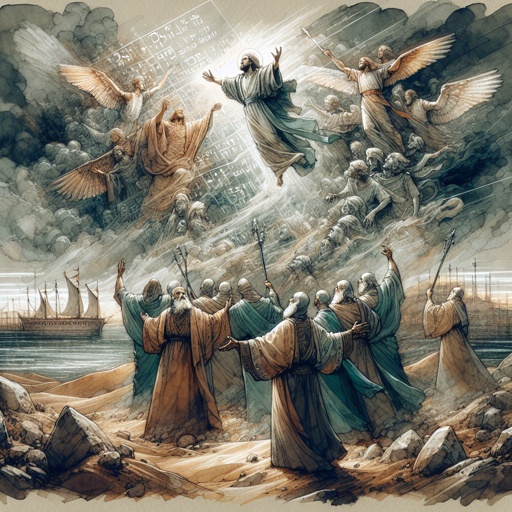
Jeremiah 43:. 11 When he comes, he shall strike the land of Egypt and deliver to death those appointed for death, and to captivity those appointed for captivity, and to the sword those appointed for the sword.

Jeremiah 33:3