The Weeping of the Vine: A Call to Lament and Hope
“O vine of Sibmah, I will weep for thee with the weeping of Jazer: thy plants are gone over the sea, they reach even to the sea of Jazer: the spoiler is fallen upon thy summer fruits and upon thy vintage.” — Jeremiah 48:32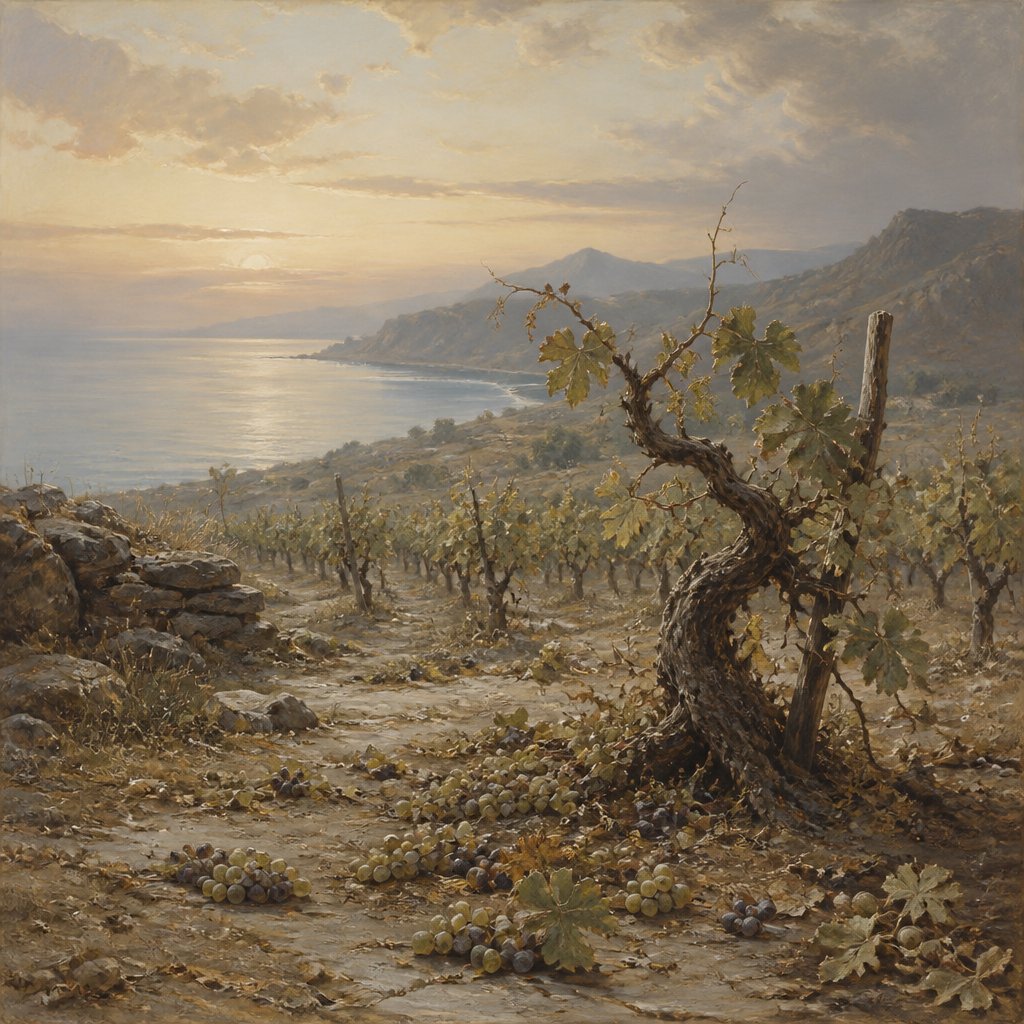
In the poignant words of Jeremiah 48:32, "O vine of Sibmah, I will weep for thee with the weeping of Jazer: thy plants are gone over the sea, they reach even to the sea of Jazer: the spoiler is fallen upon thy summer fruits and upon thy vintage," we encounter a deep lamentation woven into the fabric of this ancient prophecy. The prophet Jeremiah weeps for Sibmah, a region renowned for its vineyards, evoking vivid imagery of abundance, sweetness, and the loss that comes with destruction.
Sibmah symbolizes much more than a mere geographical location; it represents the hopes, dreams, and future of a community that once thrived in fruitful abundance. A vine, in biblical terms, often signifies life, prosperity, and blessings from God, flowing forth in gracious provision. The heart of God breaks in this moment, as Jeremiah personifies the sorrow of the land and its people. This image compels us to reflect on our own lives—what vines do we hold dear that may be threatened by the spoilage of the world?
The lamentation involved here is profound. Jeremiah’s tears connect us to the nature of God’s own grief over the loss that permeates our world. In this fallen creation, there is much to lament: cracked relationships, lost opportunities, shattered dreams, and spiritual desolation. Just as the vine of Sibmah reached to the sea, so too do our aspirations often extend far beyond our immediate grasp. The threat of harvest being overtaken by the “spoiler”—a metaphor for destruction and loss—resonates deeply within us. It causes us to pause and ask: what are the summer fruits and vintages of our lives? Are they being threatened as we remain distracted or overwhelmed by life's unpredictability?
As we delve deeper into this scripture, we witness God’s acknowledgment of suffering. He invites us into a space of sorrow—this is essential for our spiritual maturity. Too often, in our modern context, we rush past grief and suffering towards positivity and hope. However, the Scriptures call us to weep with those who weep (Romans 12:15). There is an authenticity in mourning that leads to healing; neglecting this process can leave us spiritually dry and barren, like a vine unwatered.
Interestingly, Jeremiah mentions the geography of Jazer here. Jazer, which was a city of refuge, provides a contrasting backdrop to the plight of Sibmah. In our valleys of sorrow, God also offers us refuge and restoration. This duality of lament and hope reminds us that while we may face devastation, God is still in control, weaving a story that will ultimately lead to redemption.
The ending of Jeremiah's lament leaves us pondering the future of the vine. In biblical terms, the vine can be pruned for greater fruitfulness (John 15:2). Just as the destruction of Sibmah’s vine reflects a moment of profound loss, it can also serve as a prelude to new growth and life. God’s promise in Christ assures that even in our deepest mourning, resurrection life is possible. The barren places of our lives can become fertile ground for a new season of fruitfulness.
May we take these verses to heart. Let us not shy away from the places of grief, for it is in those moments that God draws near, offering comfort and strength. As we reflect on our own "vines," we should seek God’s guidance in nurturing what remains and surrendering what has been lost. Allow the weeping of Jeremiah to guide us toward our own vulnerable prayers, making space for both our grief and our hopes for the future.
Let us pray:
"Lord, as I face the realities of loss and sorrow in my own life, help me to grieve authentically. Open my eyes to see Your hand in the midst of my pain. May I find solace in Your promises and strength to keep nurturing what remains. Teach me to embrace both my tears and my hopes, knowing that You are the God of restoration. Amen."
Get our apps


Artwork for Jeremiah 48:32

Jeremiah 48:32 - "O vine of Sibmah, I will weep for thee with the weeping of Jazer: thy plants are gone over the sea, they reach even to the sea of Jazer: the spoiler is fallen upon thy summer fruits and upon thy vintage."
"O vine of Sibmah, I will weep for thee with the weeping of Jazer: thy plants are gone over the sea, they reach even to the sea of Jazer: the spoiler is fallen upon thy summer fruits and upon thy vintage." - Jeremiah 48:32

Deuteronomy 32:48 - "And the LORD spake unto Moses that selfsame day, saying,"

Jeremiah 48:22 - "And upon Dibon, and upon Nebo, and upon Beth-diblathaim,"

Jeremiah 48:6 - "Flee, save your lives, and be like the heath in the wilderness."

Jeremiah 48:16 - "The calamity of Moab is near to come, and his affliction hasteth fast."

Jeremiah 48:23 - "And upon Kiriathaim, and upon Beth-gamul, and upon Beth-meon,"

Jeremiah 48:14 - "¶ How say ye, We are mighty and strong men for the war?"

Jeremiah 48:3 - "A voice of crying shall be from Horonaim, spoiling and great destruction."

Jeremiah 48:25 - "The horn of Moab is cut off, and his arm is broken, saith the LORD."

Jeremiah 32:26 - "¶ Then came the word of the LORD unto Jeremiah, saying,"

Jeremiah 48:4 - "Moab is destroyed; her little ones have caused a cry to be heard."
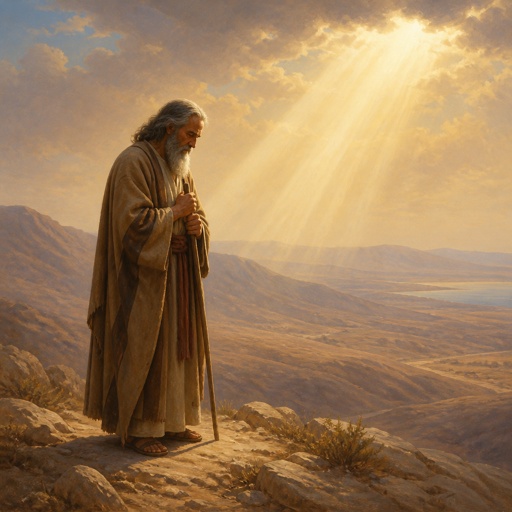
"And the LORD spake unto Moses that selfsame day, saying," - Deuteronomy 32:48

Jeremiah 48:13 - "And Moab shall be ashamed of Chemosh, as the house of Israel was ashamed of Beth-el their confidence."

Jeremiah 32:6 - "¶ And Jeremiah said, The word of the LORD came unto me, saying,"

Ezekiel 48:32 - "And at the east side four thousand and five hundred: and three gates; and one gate of Joseph, one gate of Benjamin, one gate of Dan."

Jeremiah 48:20 - "Moab is confounded; for it is broken down: howl and cry; tell ye it in Arnon, that Moab is spoiled,"

Jeremiah 48:21 - "And judgment is come upon the plain country; upon Holon, and upon Jahazah, and upon Mephaath,"

Jeremiah 48:43 - "Fear, and the pit, and the snare, shall be upon thee, O inhabitant of Moab, saith the LORD."

Jeremiah 48:24 - "And upon Kerioth, and upon Bozrah, and upon all the cities of the land of Moab, far or near."

Jeremiah 32:18
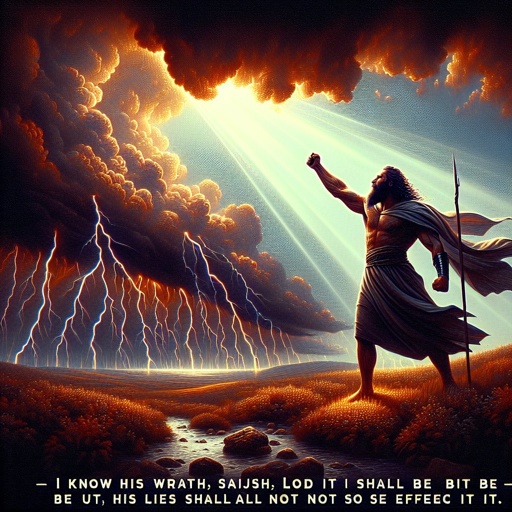
Jeremiah 48:30 - "I know his wrath, saith the LORD; but it shall not be so; his lies shall not so effect it."

Jeremiah 48:42 - "And Moab shall be destroyed from being a people, because he hath magnified himself against the LORD."

Jeremiah 48:19 - "O inhabitant of Aroer, stand by the way, and espy; ask him that fleeth, and her that escapeth, and say, What is done?"

Jeremiah 48:47 - "¶ Yet will I bring again the captivity of Moab in the latter days, saith the LORD. Thus far is the judgment of Moab."

Jeremiah 48:40 - "For thus saith the LORD; Behold, he shall fly as an eagle, and shall spread his wings over Moab."

Jeremiah 48:10 - "Cursed be he that doeth the work of the LORD deceitfully, and cursed be he that keepeth back his sword from blood."

Jeremiah 48:41 - "Kerioth is taken, and the strong holds are surprised, and the mighty men's hearts in Moab at that day shall be as the heart of a woman in her pangs."

Jeremiah 48:37 - "For every head shall be bald, and every beard clipped: upon all the hands shall be cuttings, and upon the loins sackcloth."

Jeremiah 48:27 - "For was not Israel a derision unto thee? was he found among thieves? for since thou spakest of him, thou skippedst for joy."