The Divine Inquiry: Understanding God's Righteous Judgment
“Shall I not visit for these things? saith the LORD: shall not my soul be avenged on such a nation as this?” — Jeremiah 5:29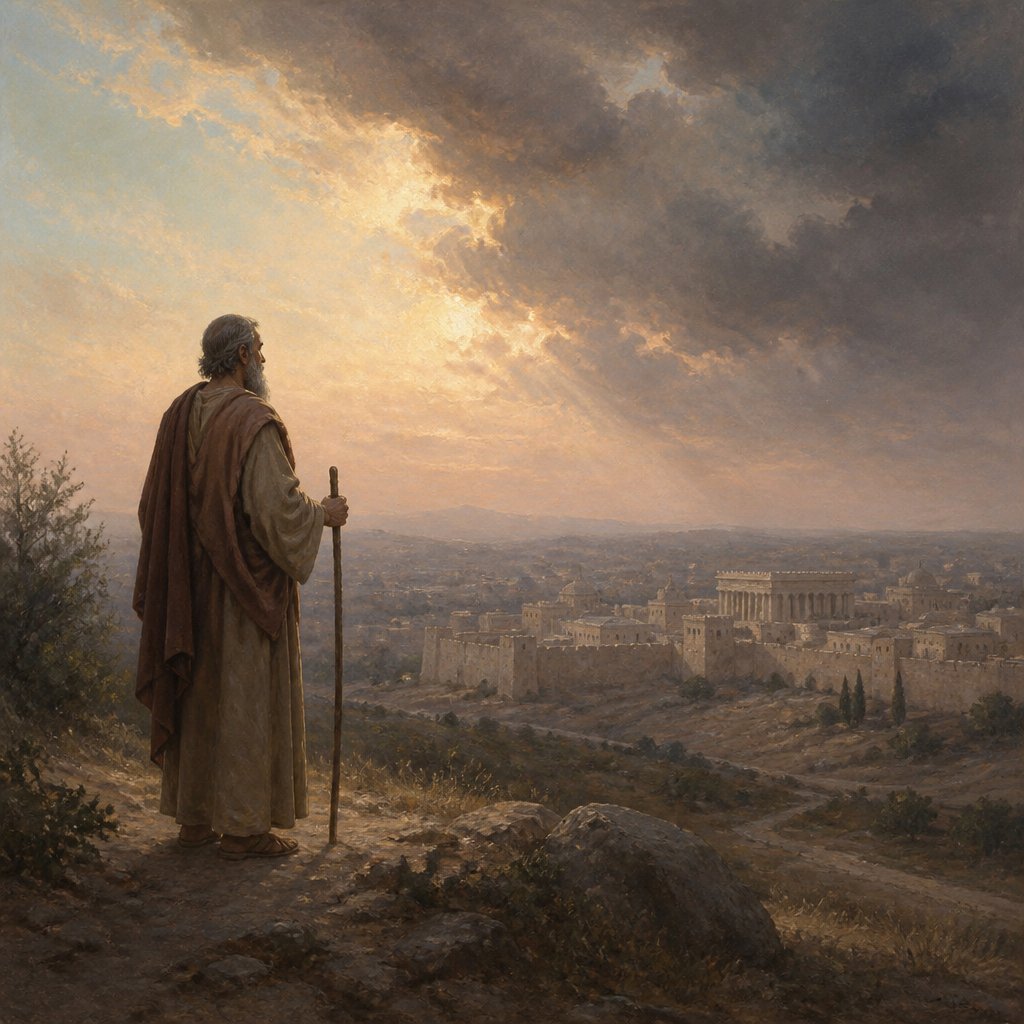
In the book of Jeremiah 5:29, we encounter a profound question posed by the Lord Almighty: "Shall I not visit for these things? saith the LORD: shall not my soul be avenged on such a nation as this?" This rhetorical inquiry leads us to a deeper understanding of God's justice, His holiness, and our call to repentance.
Jeremiah, often dubbed the ‘weeping prophet,’ was tasked with delivering God’s message to a people who had strayed far from His commandments. In the chapter leading up to this critical verse, the prophet details the moral decay, social injustices, idolatry, and spiritual unfaithfulness that plagued the nation of Israel. Instead of honoring their covenant with God, the people engaged in practices that made them distant from divine righteousness. In essence, they chose the fleeting pleasures of sin over the enduring joy that obedience to God brings.
The phrase "Shall I not visit for these things?" emerges from a God who is both loving and just. It echoes a sentiment that exists throughout Scripture—the idea that God observes human behavior and holds His people accountable for their actions. The term "visit" here should not be misunderstood as merely a casual or friendly encounter; rather, it signifies God’s active engagement with human affairs, particularly regarding judgment and divine retribution. The Lord is not indifferent to the injustices and sins of His people; He is a righteous judge who sees all, and His holiness demands a response to wrongdoing.
In the second part of the verse, the question "shall not my soul be avenged on such a nation as this?" illustrates the depth of God’s anguish over the sins of His people. His "soul" being involved communicates a personal investment—God is grieved by the immorality of His creation. The word "avenged," while often associated with vengeance in a negative context, here implies that there is an imperative for justice. God’s holiness cannot overlook sin; it demands restitution. His anger is not arbitrary; it is rooted in His love for righteousness and His desire for His people to return to the path of life.
In applying this to our lives today, we must wrestle with the notion that God’s standards of righteousness have not changed. The same cry for justice and holiness echoes through the ages. We may find ourselves living in a society that mirrors Israel's moral laxity. The cultural winds can sway us toward complacency, dulling our sensitivity to sin. Yet, we are called to reflect on our own lives in light of this verse. Are there areas where we have turned a blind eye to injustice? Have we allowed our actions to stray from God’s commands?
God’s call to repentance remains relevant and urgent. We must heed the questions posed by the Lord, recognizing that He is patient and merciful, but also just. The balance of His nature compels us to confront our sins and return to Him with sincere hearts. As James 4:8 instructs, "Draw nigh to God, and he will draw nigh to you." There is hope in repenting and turning back to our Lord, for His desire is not destruction but restoration.
In conclusion, Jeremiah 5:29 challenges us to consider the implications of our collective and personal choices as they relate to God’s righteousness. God is actively seeking justice, not merely for the sake of vengeance, but to restore the broken relationship with His people. Let us respond earnestly to His inquiry, seeking to align our lives with His will, understanding that His judgments are an expression of His love, and His calls for repentance are invitations to experience His grace. May we reflect His heart in our lives, pursuing justice, mercy, and humility in our walk with Him.
Get our apps


Artwork for Jeremiah 5:29

Jeremiah 5:29 - "Shall I not visit for these things? saith the LORD: shall not my soul be avenged on such a nation as this?"
"Shall I not visit for these things? saith the LORD: shall not my soul be avenged on such a nation as this?" - Jeremiah 5:29

Jeremiah 29:5 - "¶ Build ye houses, and dwell in them; and plant gardens, and eat the fruit of them;"

Jeremiah 29:29 - "And Zephaniah the priest read this letter in the ears of Jeremiah the prophet."
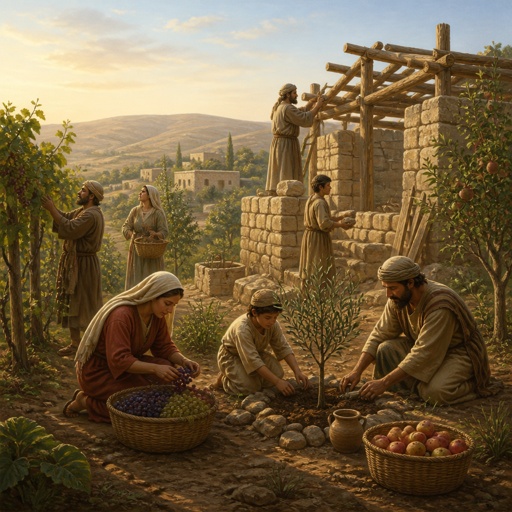
"¶ Build ye houses, and dwell in them; and plant gardens, and eat the fruit of them;" - Jeremiah 29:5
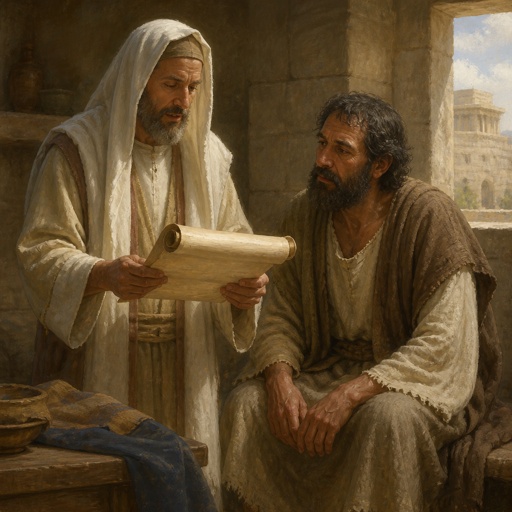
"And Zephaniah the priest read this letter in the ears of Jeremiah the prophet." - Jeremiah 29:29

Jeremiah 29:30 - "¶ Then came the word of the LORD unto Jeremiah, saying,"

Jeremiah 29:11-13

Jeremiah 29:11-13

Jeremiah 29:11-13

Jeremiah 29:11-13

Jeremiah 29:11

Jeremiah 29:11

Jeremiah 29:11

Jeremiah 29:11

Jeremiah 29: 4-14

Jeremiah 29: 4-14

Jeremiah 29: 4-14

Jeremiah 29: 4-14

Jeremiah 29: 4-14

Jeremiah 29:27 - "Now therefore why hast thou not reproved Jeremiah of Anathoth, which maketh himself a prophet to you?"

"¶ Then came the word of the LORD unto Jeremiah, saying," - Jeremiah 29:30

Jeremiah 29:11 sticker elements

Jeremiah 22:29 - "O earth, earth, earth, hear the word of the LORD."

Jeremiah 29:24 - "¶ Thus shalt thou also speak to Shemaiah the Nehelamite, saying,"

Genesis 29-5

Jeremiah 23:29 - "Is not my word like as a fire? saith the LORD; and like a hammer that breaketh the rock in pieces?"
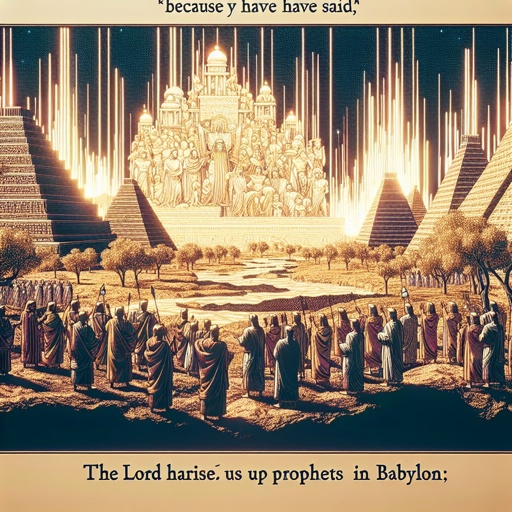
Jeremiah 29:15 - "¶ Because ye have said, The LORD hath raised us up prophets in Babylon;"

Jeremiah 6:29 - "The bellows are burned, the lead is consumed of the fire; the founder melteth in vain: for the wicked are not plucked away."

Jeremiah 29:11-13 building a healthy relationship with yourself