A Cry for Restoration: Understanding Jeremiah 7:29
“Cut off thine hair, O Jerusalem, and cast it away, and take up a lamentation on high places; for the LORD hath rejected and forsaken the generation of his wrath.” — Jeremiah 7:29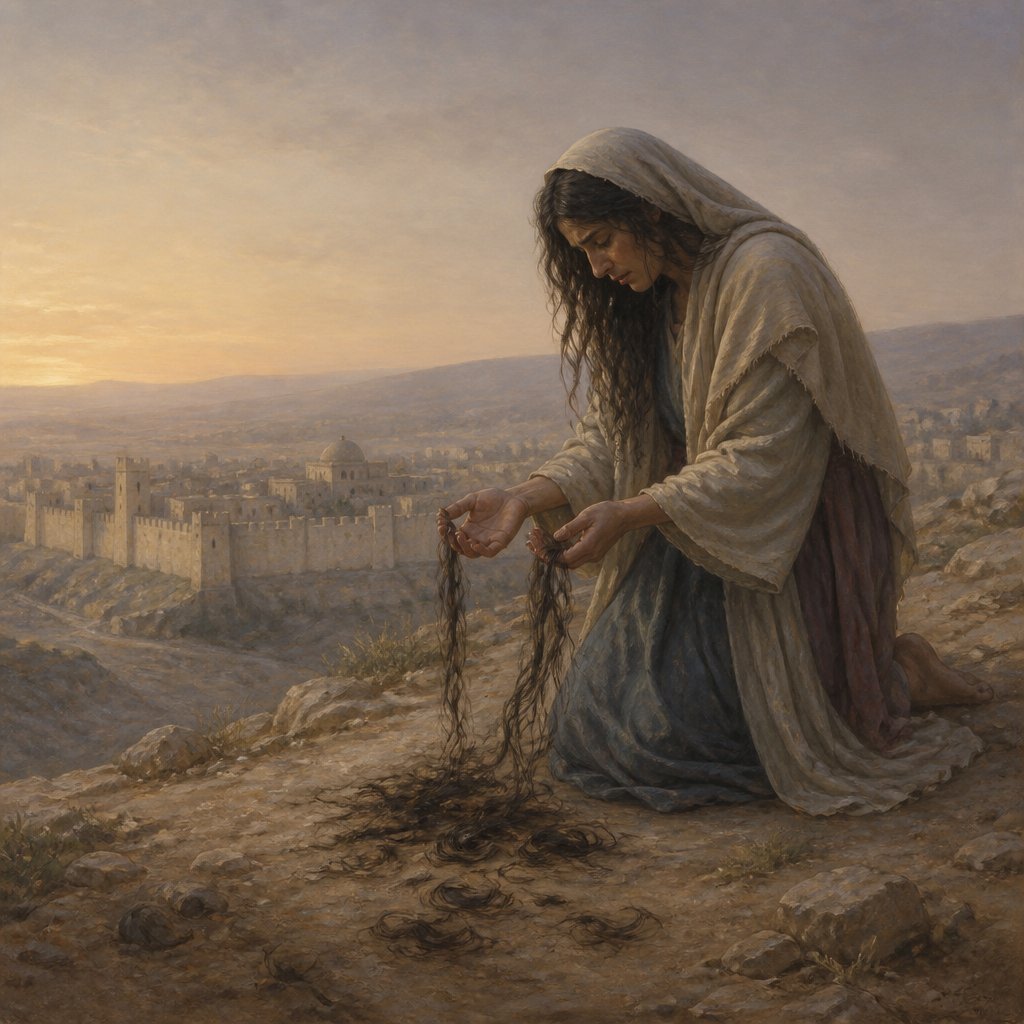
In the heart of the Old Testament, the book of Jeremiah offers us a poignant glimpse into the soul of a nation in turmoil—Jerusalem. The verse Jeremiah 7:29 reads: "Cut off thine hair, O Jerusalem, and cast it away, and take up a lamentation on high places; for the LORD hath rejected and forsaken the generation of his wrath." This verse resonates with profound intensity, and it calls us to reflect deeply on themes of loss, lamentation, and the covenantal relationship between humanity and God.
To understand the gravity of this call to action—"cut off thine hair"—we must first recognize the cultural background. In ancient Israel, the act of cutting one’s hair was a symbol of mourning and grief. It's not just a superficial action but one drenched in meaning, reflective of a deep sorrow for what was—and what could have been. As God commands Jerusalem to perform this action, He is not merely suggesting a ritualistic display; He is imploring His people to awaken to the reality of their spiritual state.
The mourning is indicative of a profound loss—not just the loss of beauty and pride in the physical sense, but a deep spiritual void that arises from the rejection of God. "The LORD hath rejected and forsaken the generation of his wrath" serves as a sobering reminder that continued disobedience and idolatry aptly lead to divine withdrawal. God, in His infinite love and justice, will not tolerate sin eternally; His holiness necessitates a response to it.
Consider the high places mentioned in the verse. They were sites of worship, often associated with idolatry and the worship of foreign gods. The lamentation directed to the high places signifies a recognition of misplaced devotion. Here is where we must pause and ask ourselves: where have we placed our allegiance? What altars are we constructing in our lives? Are they altars dedicated to our ambitions, our relationships, or false securities rather than firmly resting in the sufficiency of God?
As we unpack the implications of this verse, we encounter a heartfelt plea for restoration. God’s invitation is not merely for sorrow, but it beckons His people towards repentance and a return to covenant faithfulness. He does not delight in the destruction but desires His people to turn back to Him. This brings to mind the verse in 2 Chronicles 7:14, where God promises that if His people humble themselves and pray, He will hear from heaven and heal their land. The underlying theme is the divine hope that awaits those who may have deviated from His path.
In our modern context, Jeremiah 7:29’s message resonates loudly. Many of us grapple with the notion of divine rejection. We might feel forsaken due to life’s trials, personal sin, or societal crises. However, this lament does not need to be our end. Instead, it should drive us to restoration. God’s desire is for us to turn from false idols and align our hearts with His. It is an invitation—a beckoning for self-examination and a heartfelt return to His grace.
As we reflect upon this scripture, we are called to acknowledge where we have fallen short. Like Jerusalem, we must confront the reality of our spiritual lives. Are we participating in lamentation over our disobedience? Are we willing to lay our arrogance aside, cut off the pride that prevents confession, and surrender ourselves to the God who offers restoration?
Let this verse lead us into a season of reflection and lament, not just as an isolated act of remembrance but as a transformative journey back to the heart of our God. Should we take this to heart, we invite a renewed spirit—a generation not forsaken, but favored under His grace.
Get our apps


Artwork for Jeremiah 7:29

Jeremiah 7:29 - "¶ Cut off thine hair, O Jerusalem, and cast it away, and take up a lamentation on high places; for the LORD hath rejected and forsaken the generation of his wrath."
"¶ Cut off thine hair, O Jerusalem, and cast it away, and take up a lamentation on high places; for the LORD hath rejected and forsaken the generation of his wrath." - Jeremiah 7:29

Jeremiah 29:29 - "And Zephaniah the priest read this letter in the ears of Jeremiah the prophet."
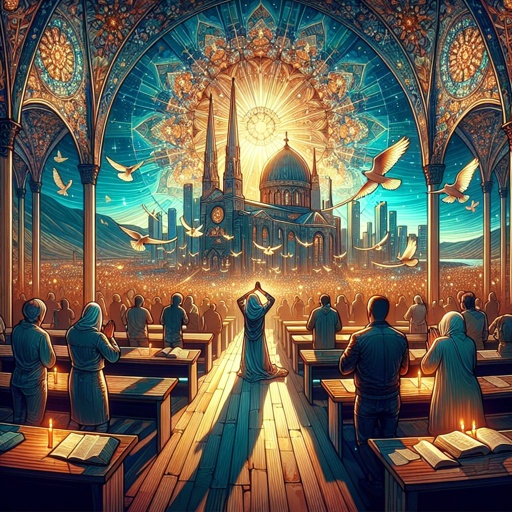
Jeremiah 29:7 - "And seek the peace of the city whither I have caused you to be carried away captives, and pray unto the LORD for it: for in the peace thereof shall ye have peace."
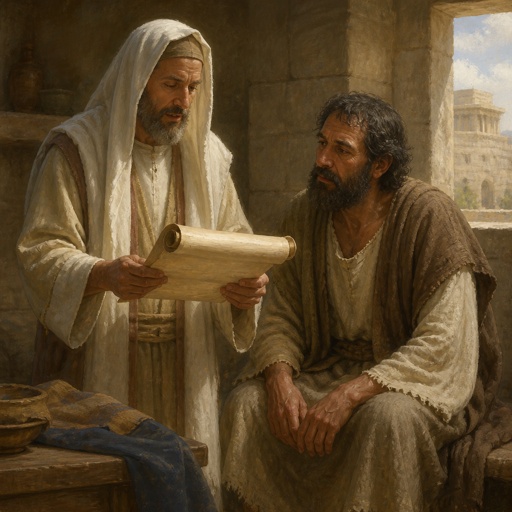
"And Zephaniah the priest read this letter in the ears of Jeremiah the prophet." - Jeremiah 29:29

Jeremiah 29:30 - "¶ Then came the word of the LORD unto Jeremiah, saying,"

Jeremiah 29:11-13

Jeremiah 29:11-13

Jeremiah 29:11-13

Jeremiah 29:11-13

Jeremiah 29:11

Jeremiah 29:11

Jeremiah 29:11

Jeremiah 29:11

Jeremiah 29: 4-14

Jeremiah 29: 4-14

Jeremiah 29: 4-14

Jeremiah 29: 4-14

Jeremiah 29: 4-14

Jeremiah 29:27 - "Now therefore why hast thou not reproved Jeremiah of Anathoth, which maketh himself a prophet to you?"

"¶ Then came the word of the LORD unto Jeremiah, saying," - Jeremiah 29:30

Jeremiah 29:11 sticker elements

Jeremiah 22:29 - "O earth, earth, earth, hear the word of the LORD."

Jeremiah 29:24 - "¶ Thus shalt thou also speak to Shemaiah the Nehelamite, saying,"

Numbers 29:7

Genesis 29-7

Jeremiah 29:5 - "¶ Build ye houses, and dwell in them; and plant gardens, and eat the fruit of them;"

Jeremiah 7:1 - "The word that came to Jeremiah from the LORD, saying,"

Matthew 7:24-29

Matthew 7:24-29