The Fleeting Nature of Earthly Gains
“There shall none of his meat be left; therefore shall no man look for his goods.” — Job 20:21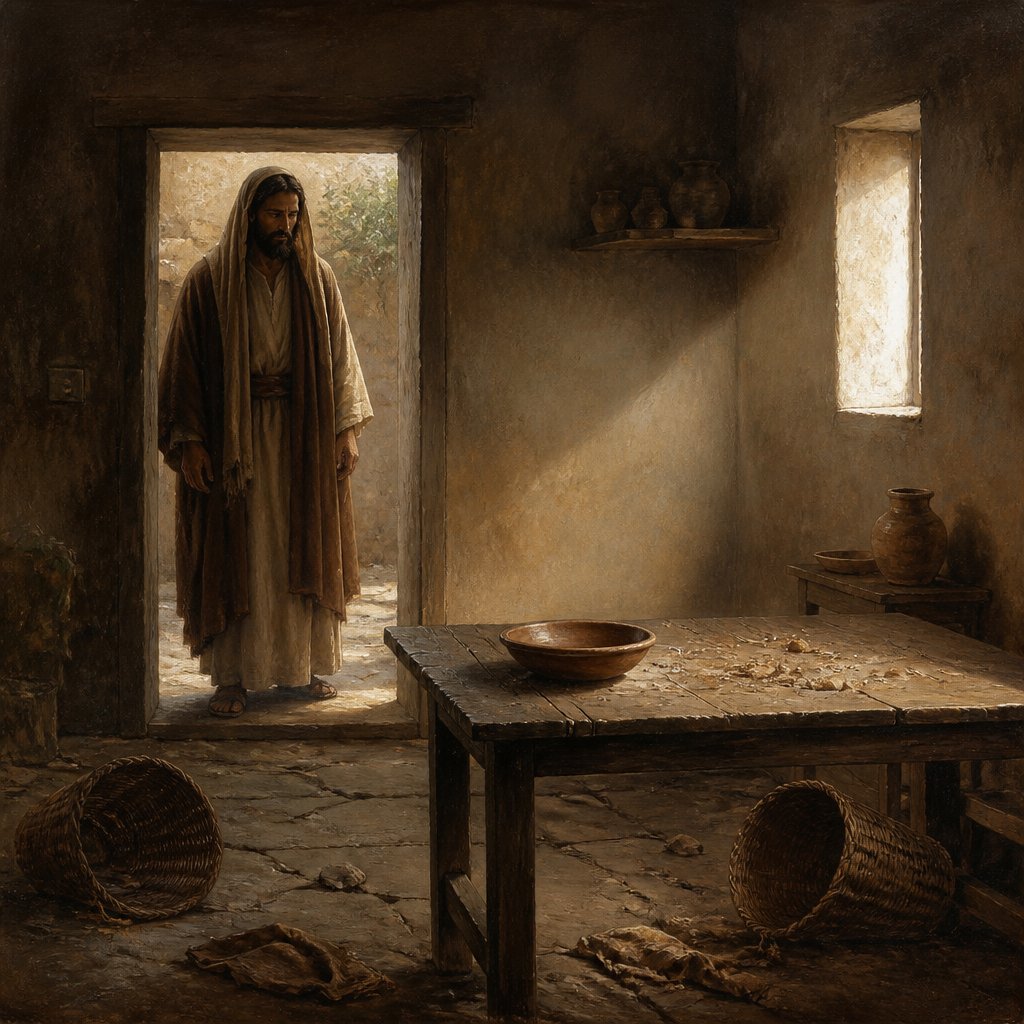
In Job 20:21, the King James Version of the Bible reveals a profound truth about the fleeting nature of earthly possessions: "There shall none of his meat be left; therefore shall no man look for his goods." This verse encapsulates a key principle regarding wealth and materialism that is often counterintuitive to our contemporary mindset. In a world that promotes accumulation and the relentless pursuit of possessions, the biblical narrative consistently serves as a sobering reminder of the transitory nature of earthly goods.
The Book of Job is a profound exploration of suffering and the righteousness of God. Job, a man of profound integrity and wealth, experiences unimaginable loss. His so-called friends, who come to visit him in his suffering, engage in a deep theological discussion about the nature of wealth and the consequences of sin. Job 20 addresses one of his friends, Zophar, who asserts that the fate of the wicked is not shaped by the passing pleasures they enjoy, but through a swift judgment that leads to their ultimate ruin.
When Zophar claims, "There shall none of his meat be left," he articulates a truth that echoes throughout scripture—the precariousness of relying on material possessions. Meat, in biblical times, often represented abundance, provision, and prosperity. However, Zophar’s claim emphasizes that all the earthly nourishment one might gather will ultimately be worthless in the light of divine judgment. This brings us to contemplate our own lives and aspirations: How much do we invest in transient gains, only to be confronted with the perfect wisdom of God, which reveals the folly of placing our hope in temporal treasure?
Jesus teaches us about the fleeting nature of possessions in Matthew 6:19-21 (KJV), saying, "Lay not up for yourselves treasures upon earth, where moth and rust doth corrupt, and where thieves break through and steal: But lay up for yourselves treasures in heaven, where neither moth nor rust doth corrupt, and where thieves do not break through nor steal: For where your treasure is, there will your heart be also." Job 20:21 serves as a sobering reminder that wealth and goods will not endure; they cannot withstand the vicissitudes of life.
The concept of loss is not merely a punitive action taken by God; rather, it serves as an awakening, pushing us to re-evaluate the place we allow earthly wealth to occupy in our hearts. As Zophar concludes that extit{“therefore shall no man look for his goods,”} it suggests that when judgment comes, all longing for earthly rewards fades away in the realization of what is at stake. There is a time when earthly comfort will not provide solace or security, and we must come to terms with the inevitable truth that all that is collected will be left behind.
Paul echoes this sentiment in 1 Timothy 6:7-8 (KJV), stating, "For we brought nothing into this world, and it is certain we can carry nothing out. And having food and raiment let us be therewith content." When we align ourselves with the truth that our identity and worth are not tied to material possessions, we can begin to live a life that is unshackled from the anxiety that often accompanies the pursuit of wealth.
As we reflect on Job 20:21, we are beckoned to examine our lives and decide what treasures we are accumulating. This week, let us focus not on what we possess but on the richness of our relationship with God. Let us strive to invest in that which lasts—love, service, and faith—thus ensuring that our hearts remain anchored where true treasures are found. In doing so, we prepare our souls to embrace a life of purpose, focused on eternal rather than fleeting gains.
Get our apps


Artwork for Job 20:21

Job 20:21 - "There shall none of his meat be left; therefore shall no man look for his goods."
"There shall none of his meat be left; therefore shall no man look for his goods." - Job 20:21

Job 3:20-21 - "Job 3:20-21: Why is light given to those in misery, and life to the bitter of soul, to those who long for death that does not come, who search for it more than for hidden treasure?"

Job 21:20 - "His eyes shall see his destruction, and he shall drink of the wrath of the Almighty."

"Job 3:20-21: Why is light given to those in misery, and life to the bitter of soul, to those who long for death that does not come, who search for it more than for hidden treasure?" - Job 3:20-21
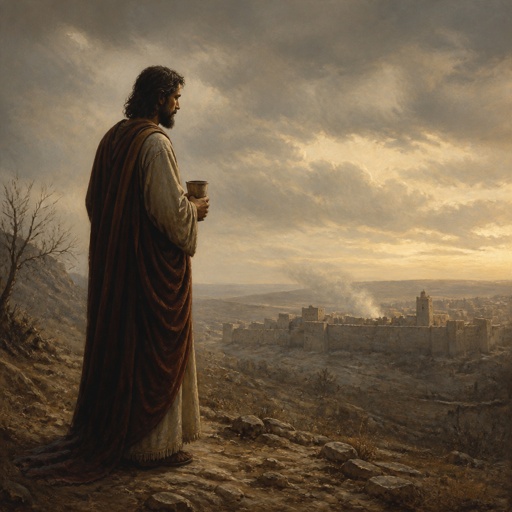
"His eyes shall see his destruction, and he shall drink of the wrath of the Almighty." - Job 21:20

Job 21:1 - "But Job answered and said,"

"But Job answered and said," - Job 21:1

Job 1:21

Job 1:20

Job 1:20

Job 1:21

Job 1:20 - "Then Job arose, and rent his mantle, and shaved his head, and fell down upon the ground, and worshipped,"

Job 20:5 - "That the triumphing of the wicked is short, and the joy of the hypocrite but for a moment?"

Job 20:1 - "Then answered Zophar the Naamathite, and said,"

Job 20:20 - "Surely he shall not feel quietness in his belly, he shall not save of that which he desired."

Luke 13:20-21

Luke 13:20-21
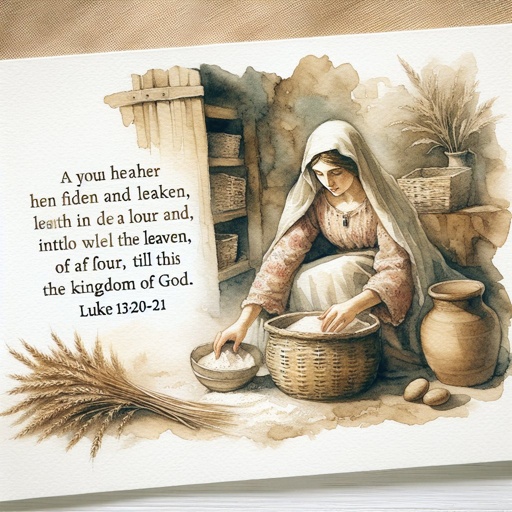
Luke 13:20-21

Luke 13:20-21

Luke 13:20-21

Job 21:21 - "For what pleasure hath he in his house after him, when the number of his months is cut off in the midst?"

Genesis 21-20

John 20:21

Job 28:20 - "Whence then cometh wisdom? and where is the place of understanding?"

Job 21:12 - "They take the timbrel and harp, and rejoice at the sound of the organ."

Job 21:8 - "Their seed is established in their sight with them, and their offspring before their eyes."

Job 21:2 - "Hear diligently my speech, and let this be your consolations."

Job 36:20 - "Desire not the night, when people are cut off in their place."

Job 21:13 - "They spend their days in wealth, and in a moment go down to the grave."