The Bitter Sweetness of Unconfessed Sin
“Though he spare it, and forsake it not; but keep it still within his mouth:” — Job 20:13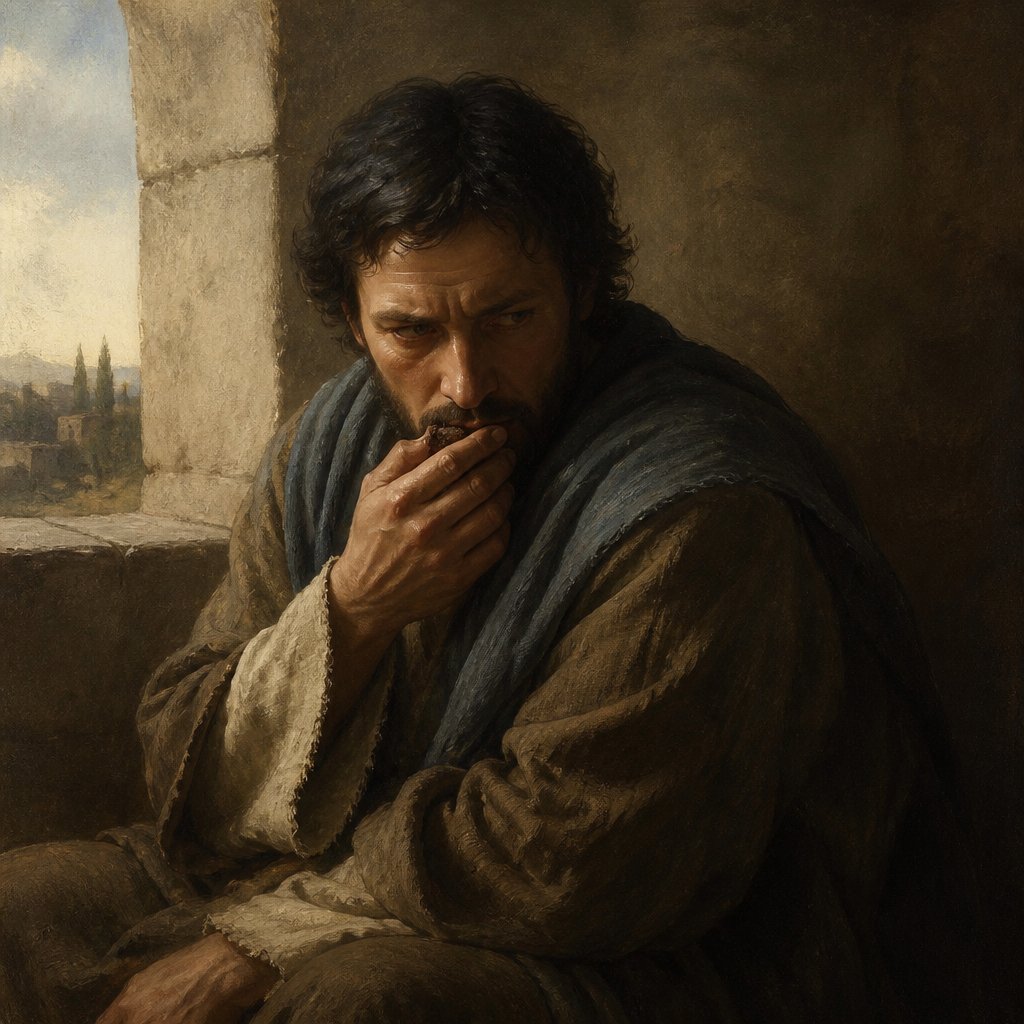
In the book of Job, we encounter the struggles of a righteous man who experiences immense suffering and loss. Job is a timeless character who embodies the struggle between faith and despair. Our focus today is on Job 20:13, which reads, "Though he spare it, and forsake it not; but keep it still within his mouth." This verse holds profound implications for understanding the nature of sin, the heart’s inclinations, and the intricate workings of conscience.
This verse appears within the context of Zophar's speech to Job. Zophar, one of Job's friends, is articulating the perspective that wickedness leads to ruin. The phrase "Though he spare it" speaks to the tendency of a person who knows they have committed wrong but chooses to hide it or preserve it internally rather than confronting it honestly and seeking repentance. Zophar is indicating that holding onto such a sin, even mentally or emotionally, is dangerous.
Imagine the tension of holding a hot ember in the mouth; it's painful, fierce, and could bring about damage if held too long. Sin held in the mouth—untested, unspoken—becomes a bitter taste that overwhelms one's spirit. The internalization of sin can wreak havoc on the soul, creating unrest and division between one's self and God. When we carry unconfessed sins, we neglect the peace that comes through humility and repentance.
The act of forsaking is crucial in Zophar's assertion, suggesting an intentional choice to abandon the sin rather than carrying it forward in silence. It beckons us to consider our own lives: are we clinging to something that should be let go? Each unresolved sin acts as a stumbling block that hinders our relationship with God, like heavy chains binding us when we could be free. Those who continue in unconfessed sin within their hearts risk a deep disconnection from God; they remain trapped in a cycle of guilt and shame.
In Psalm 32:3-4, the psalmist echoes this sentiment: "When I kept silence, my bones waxed old through my roaring all the day long. For day and night thy hand was heavy upon me: my moisture is turned into the drought of summer." The silence of unconfessed sin creates a desolate landscape in our spiritual lives. It is not just the act of sinning that burdens us; it is the failure to acknowledge and confront that sin through confession.
The divine call to repentance is an invitation to life—Jesus assures us that "If we confess our sins, he is faithful and just to forgive us our sins, and to cleanse us from all unrighteousness" (1 John 1:9). This promise reassures us that no sin is too great or too grotesque that cannot be met with God’s grace. We must bring forth our sins from the shadows into the light—this vulnerability is a pathway to renewal.
As followers of Christ, we are called not merely to acknowledge sin but to act upon it with courage and honesty. This involves a fresh start, a release of the burden we carry, choosing spiritual health over the false comfort of secrecy. It offers a chance to experience the sweetness of God’s forgiveness, which far outweighs any bitterness we may feel lingering in our hearts.
Thus, let us reflect on this scripture, recognizing the perilousness of harboring unconfessed sin. Instead of keeping it within our mouths, may we find the strength to lay it at the foot of the cross, allowing Christ to transform our brokenness into beauty. In this exchange, we discover true freedom—release from the bitterness of sin and a path laid bare before us that leads to wholeness in Christ.
Get our apps


Artwork for Job 20:13

Job 20:13 - "Though he spare it, and forsake it not; but keep it still within his mouth:"
"Though he spare it, and forsake it not; but keep it still within his mouth:" - Job 20:13

Job 13:20 - "Only do not two things unto me: then will I not hide myself from thee."

"Only do not two things unto me: then will I not hide myself from thee." - Job 13:20

Job 1:20

Job 1:20

Job 3:20-21 - "Job 3:20-21: Why is light given to those in misery, and life to the bitter of soul, to those who long for death that does not come, who search for it more than for hidden treasure?"

Job 1:20 - "Then Job arose, and rent his mantle, and shaved his head, and fell down upon the ground, and worshipped,"

Job 20:5 - "That the triumphing of the wicked is short, and the joy of the hypocrite but for a moment?"

Job 20:1 - "Then answered Zophar the Naamathite, and said,"

Job 20:20 - "Surely he shall not feel quietness in his belly, he shall not save of that which he desired."

Job 28:20 - "Whence then cometh wisdom? and where is the place of understanding?"

Job 39:13-25

Job 2:11-13

Job 2:11-13

Job 2:11-13

Job 36:20 - "Desire not the night, when people are cut off in their place."

Job 20:4 - "Knowest thou not this of old, since man was placed upon earth,"

Job 20:17 - "He shall not see the rivers, the floods, the brooks of honey and butter."

Luke 13:20-21

Luke 13:20-21

Job 13:13 - "Hold your peace, let me alone, that I may speak, and let come on me what will."

Luke 13:20-21

Luke 13:20-21
Luke 13:20-21

Genesis 46:13 - "¶ And the sons of Issachar; Tola, and Phuvah, and Job, and Shimron."

Job 4:20 - "They are destroyed from morning to evening: they perish for ever without any regarding it."

Job 3:20 - "Wherefore is light given to him that is in misery, and life unto the bitter in soul;"

Job 29:20 - "My glory was fresh in me, and my bow was renewed in my hand."

Job 22:20 - "Whereas our substance is not cut down, but the remnant of them the fire consumeth."