What does Job 20:13 mean?
“Though he spare it, and forsake it not; but keep it still within his mouth:” — Job 20:13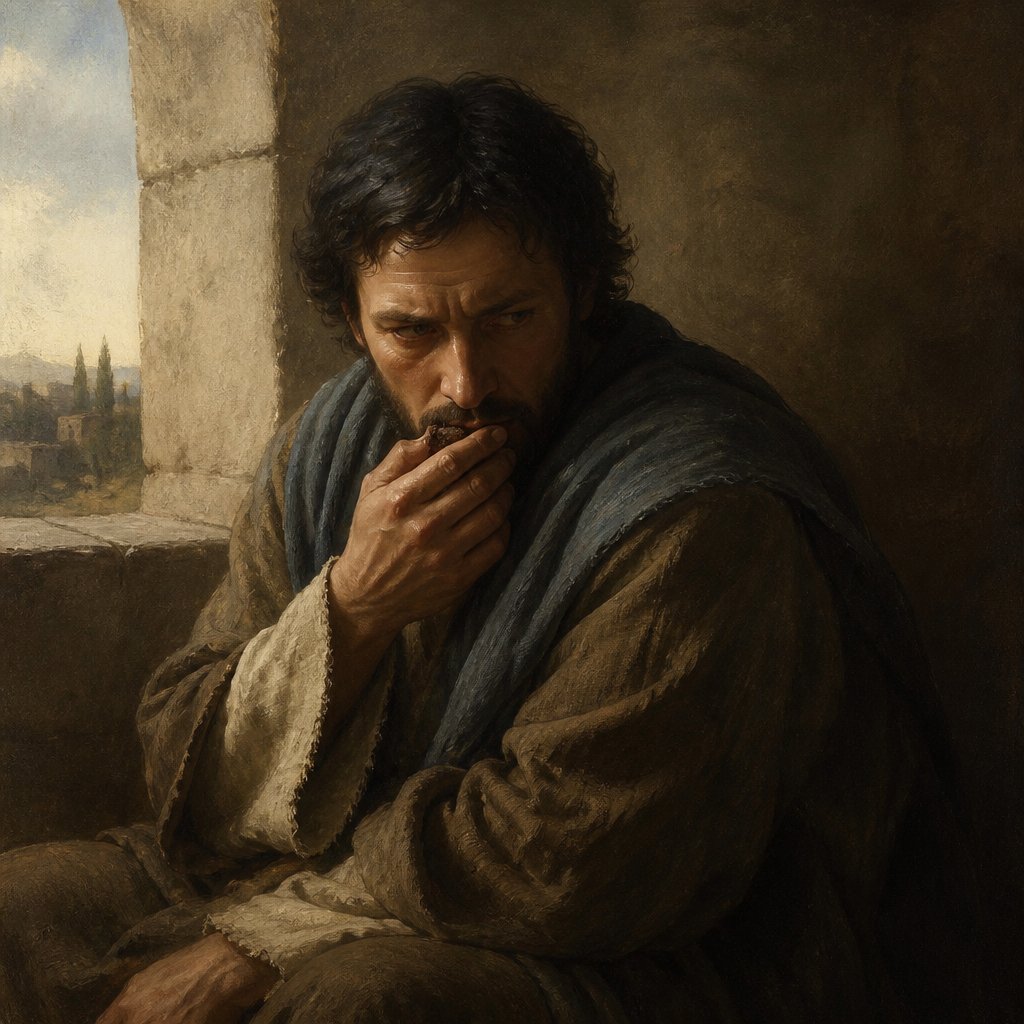
Job 20:13 in the King James Version (KJV) of the Bible reads, "Though he spare it, and forsake it not; but keep it still within his mouth." This verse is part of a passage in the book of Job, in which the character Zophar speaks to Job, attempting to convince him of the consequences of wickedness and the rewards of righteousness.
To fully understand the meaning and context of this verse, it is important to understand the broader narrative of the book of Job. Job is a righteous man who experiences severe suffering and loss, including the deaths of his children and the destruction of his wealth and health. Throughout the book, Job struggles to understand the reasons for his suffering and to maintain his faith in God. Zophar, along with Job's other friends, attempts to convince him that his suffering is a result of his own sin.
In Job 20, Zophar delivers a speech emphasizing the fate of the wicked. He describes the fleeting nature of the wicked person's prosperity and the ultimate judgment they will face. The verse, "Though he spare it, and forsake it not; but keep it still within his mouth," is a part of Zophar's description of the wicked person's indulgence in sin and the subsequent consequences.
The verse can be understood as a warning about the consequences of holding on to sin and wickedness. The imagery of keeping something within one's mouth implies that the wicked person continues to savor and hold on to their sinful ways. Despite the potential for punishment and judgment, the wicked person refuses to let go of their sinful desires and actions.
One of the key themes in this verse is the contrast between righteousness and wickedness. Zophar uses vivid language to contrast the temporary pleasure of sin with the ultimate judgment that awaits the wicked. The verse serves as a warning to Job, reminding him of the potential consequences of turning away from God and indulging in sinful behavior.
The broader context of the book of Job also adds depth and meaning to this verse. Throughout the book, Job grapples with the problem of suffering and the apparent injustice of his situation. Zophar's speech, including the verse in question, reflects the ongoing theological dialogue between Job and his friends. The book of Job raises profound questions about the nature of suffering, the character of God, and the relationship between righteousness and prosperity.
In addition to its thematic significance, the verse also contains symbolism and imagery that adds depth to its meaning. The imagery of keeping something within one's mouth can be interpreted as symbolic of the way in which the wicked person holds on to their sinful desires and actions, refusing to relinquish them despite the potential consequences. This image conveys the idea of the wicked person's unwillingness to let go of their sinful ways, even in the face of judgment and punishment.
In conclusion, Job 20:13 in the King James Version of the Bible is a verse that carries profound meaning within the broader context of the book of Job. It serves as a warning about the consequences of holding on to sin and wickedness, and it contributes to the ongoing theological dialogue between Job and his friends. The verse contains vivid imagery and symbolism that deepens its thematic significance, emphasizing the contrast between righteousness and wickedness and the potential consequences of turning away from God.
Get our apps


Artwork for Job 20:13

Job 20:13 - "Though he spare it, and forsake it not; but keep it still within his mouth:"
"Though he spare it, and forsake it not; but keep it still within his mouth:" - Job 20:13

Job 13:20 - "Only do not two things unto me: then will I not hide myself from thee."

"Only do not two things unto me: then will I not hide myself from thee." - Job 13:20

Job 1:20

Job 1:20

Job 3:20-21 - "Job 3:20-21: Why is light given to those in misery, and life to the bitter of soul, to those who long for death that does not come, who search for it more than for hidden treasure?"

Job 1:20 - "Then Job arose, and rent his mantle, and shaved his head, and fell down upon the ground, and worshipped,"

Job 20:5 - "That the triumphing of the wicked is short, and the joy of the hypocrite but for a moment?"

Job 20:1 - "Then answered Zophar the Naamathite, and said,"

Job 20:20 - "Surely he shall not feel quietness in his belly, he shall not save of that which he desired."

Job 28:20 - "Whence then cometh wisdom? and where is the place of understanding?"

Job 39:13-25

Job 2:11-13

Job 2:11-13

Job 2:11-13

Job 36:20 - "Desire not the night, when people are cut off in their place."

Job 20:4 - "Knowest thou not this of old, since man was placed upon earth,"

Job 20:17 - "He shall not see the rivers, the floods, the brooks of honey and butter."

Luke 13:20-21

Luke 13:20-21

Job 13:13 - "Hold your peace, let me alone, that I may speak, and let come on me what will."

Luke 13:20-21

Luke 13:20-21
Luke 13:20-21

Genesis 46:13 - "¶ And the sons of Issachar; Tola, and Phuvah, and Job, and Shimron."

Job 4:20 - "They are destroyed from morning to evening: they perish for ever without any regarding it."

Job 3:20 - "Wherefore is light given to him that is in misery, and life unto the bitter in soul;"

Job 29:20 - "My glory was fresh in me, and my bow was renewed in my hand."

Job 22:20 - "Whereas our substance is not cut down, but the remnant of them the fire consumeth."