The Divine Artisan: Understanding Our Creation in God’s Image
“Did not he that made me in the womb make him? and did not one fashion us in the womb?” — Job 31:15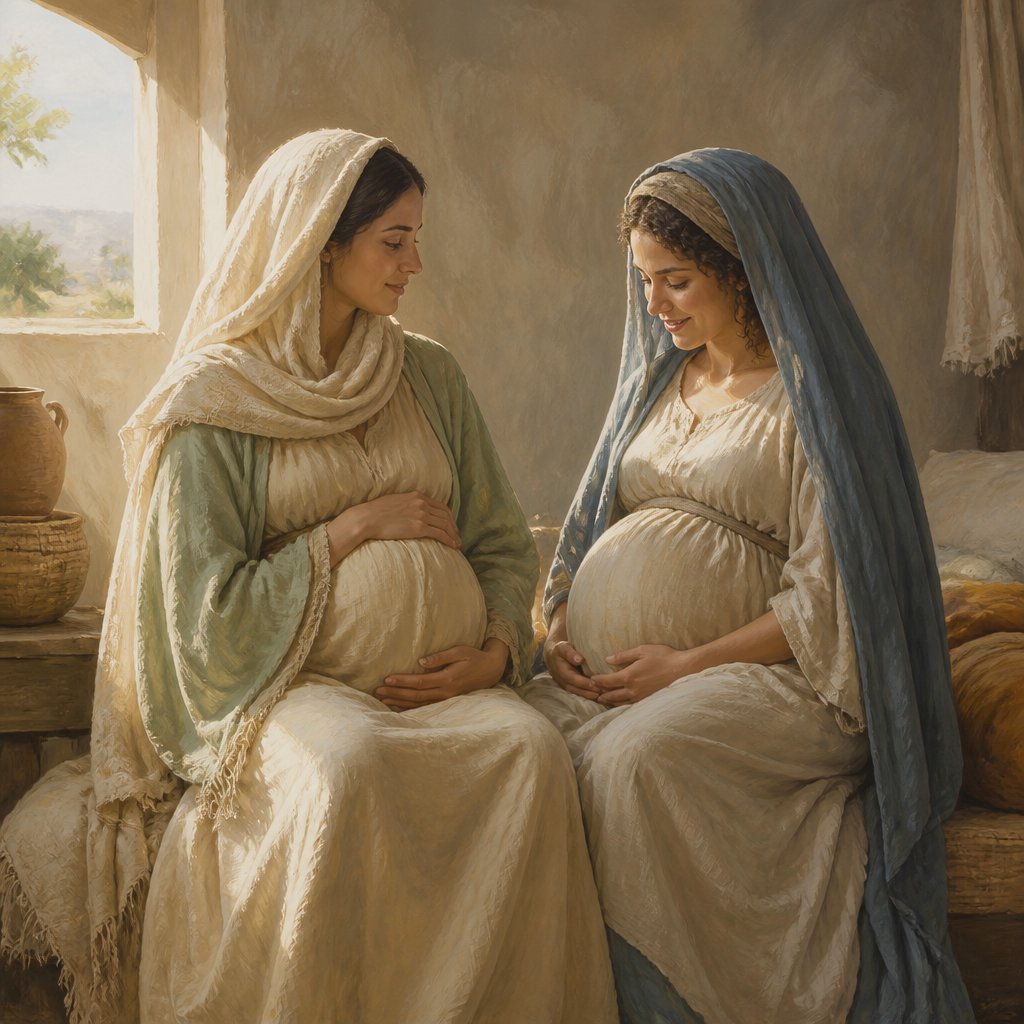
The verse from the book of Job, 31:15, reads, "Did not he that made me in the womb make him? and did not one fashion us in the womb?" This thought-provoking query posed by Job not only reflects his introspective nature but also delivers a profound theological truth regarding the sanctity of life and the unity of mankind as creations of the same Divine craftsman.
When Job speaks these words, he is enveloped in grief and suffering, having faced immense trials that challenged his understanding of divine justice and his own worth. Yet, even in his state of despair, Job reaffirms a fundamental belief: that every human being is intricately crafted by the same Creator. In a world that sometimes prioritizes status, wealth, and power, Job’s declaration reminds us that our dignity comes from being made in the image of God, regardless of our circumstances or those of others.
The acknowledgment that God has fashioned us all, whether an affluent prince or a lowly servant, prompts us to reflect on the nature of our relationships with one another. If God has made each of us in His image, then how should we treat one another? The value we place on human life should not be dependent upon social constructs or material possessions but rather rooted in the understanding that we are all reflections of our Creator.
Furthermore, Job’s rhetorical question can also be seen as an advocacy for empathy and compassion towards others. When we realize that the person standing before us—be it a friend, a stranger, or even an enemy—shares the same divine origin, we are compelled to treat them with respect and love. In the realm of our everyday interactions, this creates a culture of honor and dignity that transcends societal divides.
As we delve deeper into this verse, we come to another layer of significance—God’s intentional design. The intimate act of being formed in the womb signifies not only our creation but God’s care and involvement in our lives from the very beginning. The womb is a sacred place where God shapes us, giving each of us unique gifts, personalities, and purposes. It is a reminder that there is intentionality in every life conceived; thus, every life has a purpose ordained by God.
In a society where topics like abortion and assisted reproduction are passionately debated, Job 31:15 serves as a profound reminder of our origins. It underscores the belief that all life, at every stage of development, is precious and deserving of protection. As Christians, it challenges us to stand for the voiceless and advocate for those who cannot advocate for themselves, embracing life in all its forms.
Moreover, such considerations lead us to a personal introspection. If God has brought us into this world with purpose, how then are we living out that purpose? Are we aware of the God-given potential within us, and are we utilizing our gifts for His glory? Being fashioned in the womb brings with it a call to action, prompting us to engage with our communities, serve others, and shine the light of Christ into the world.
Finally, let us not forget the assurance that God remains involved in our lives beyond birth. We are not only His creations but also His beloved children. Like Job, we often face trials that can cloud our perception of His involvement and care for us. Yet, we can take solace in knowing that He who formed us in the womb continues to craft our lives with precision and love. No matter the challenges we endure, we are reminded of His faithfulness and the eternal relationship we can have with Him.
As we meditate on this profound verse from Job, let us commit to recognizing the value of every life, celebrating the divine artistry in each person we encounter, and living out our God-given purpose with confidence and grace.


