The Great Equalizer: Finding Freedom in Life's Trials
“The small and great are there; and the servant is free from his master.” — Job 3:19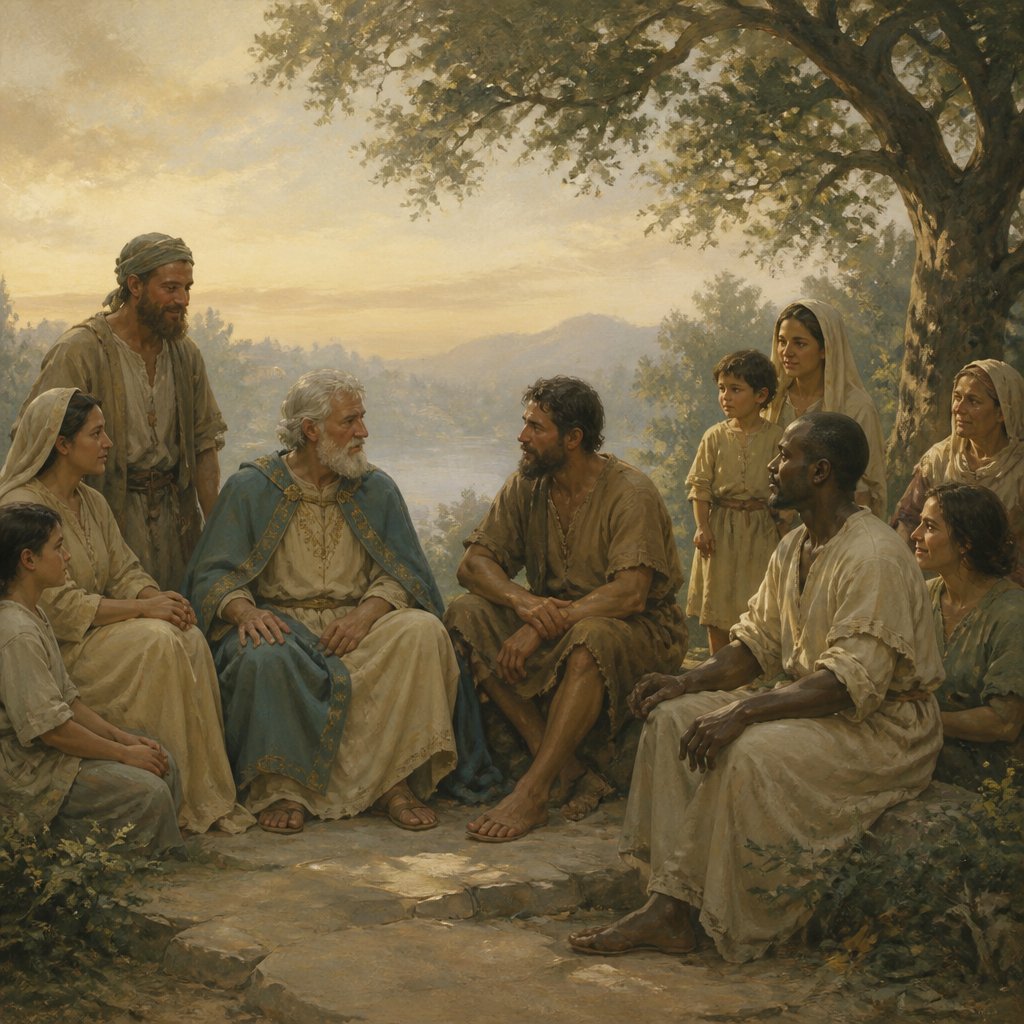
The profound words of Job 3:19 in the King James Version resonate deeply within the tumultuous narrative of Job’s life: "The small and great are there; and the servant is free from his master." This verse, though short, encapsulates the reality of human experience, particularly in moments of suffering and loss. In a world where social status often defines our identities, Job's lamentation serves as a crucial reminder that in the realm of suffering, all distinctions fall away.
As we delve into this verse, it is essential to remember the context in which it was spoken. Job, a man who enjoyed wealth, health, and the support of a loving family, suddenly found himself stripped of everything that mattered to him. His friends came to console him, but their words soon turned to accusatory jabs, suggesting that Job's suffering must be a direct result of some hidden sin. However, Job's response shifts the focus from guilt to the stark reality of his condition: he is now at a point where the roles of the high and the low, the master and the servant, are rendered meaningless in the face of death and suffering.
Job begins to reflect on the common fate that awaits all humanity. Whether one is rich and powerful, or poor and marginalized, death comes for all. The small and the great, the servants and the masters alike find themselves at the same threshold. This sobering truth can be both intimidating and liberating. On one hand, it confronts us with the uncomfortable reality of mortality and the fleeting nature of earthly success. On the other hand, it brings a sense of profound equality amongst humanity.
In God’s kingdom, the traditional hierarchies that we clothe ourselves in are stripped away. Jesus spoke often of this radical equality: in Matthew 20:16, He reminds us, "So the last shall be first, and the first last." In our trials, we may find freedom from the chains of societal expectations and judgments. The servant, often deemed less important, is now liberated from his master's demands; he is free to wrestle with his pain, seek answers, and find solace in the divine.
The notion that suffering brings everyone to a place of equal standing challenges us to reconsider how we view others and ourselves. When we are struggling with our own burdens, it can be tempting to stay isolated within our pain, feeling misunderstood or disregarded. Yet, Job teaches us a different perspective—recognizing that everyone suffers allows us to connect at a deeper level with those around us.
In times of grief and pain, it's important to remind ourselves that our worth is not determined by our social standing, career success, or even the world's perceptions. Rather, we are defined by our relationship with God and the love we extend to others. This is the freedom Job speaks of; it liberates us from the fear of judgment, allowing us to fully present ourselves to the Lord—all our questions, doubts, and raw emotions.
As we leave the comforts of our positions in life and acknowledge our shared humanity, we align ourselves more closely with the heart of God, who sees us all as His children. In Him, we find our identity, purpose, and strength beyond our external circumstances. Job’s journey calls us deeper into understanding the nature of God—a God who walks with us in our times of despair. He remains our constant, unfettered by the societal class systems that so often govern our lives.
Ultimately, Job 3:19 urges us to embrace our commonality as we navigate the valleys of suffering together. It beckons us to remember that our true freedom is found in God—a freedom that transcends life’s trials, liberates us from our earthly roles, and invites us into a more profound understanding of love and grace. Let us ponder this truth as we support one another in our shared human experience, pursuing a deeper relationship with God and with each other.
Get our apps


Artwork for Job 3:19

Job 3:19 - "The small and great are there; and the servant is free from his master."
"The small and great are there; and the servant is free from his master." - Job 3:19

Job 19:3 - "These ten times have ye reproached me: ye are not ashamed that ye make yourselves strange to me."

Job 19:1 - "Then Job answered and said,"

"Then Job answered and said," - Job 19:1

Job 3:2 - "And Job spake, and said,"

Job 18-19

Job 40:3 - "¶ Then Job answered the LORD, and said,"

Job 19:19 - "All my inward friends abhorred me: and they whom I loved are turned against me."
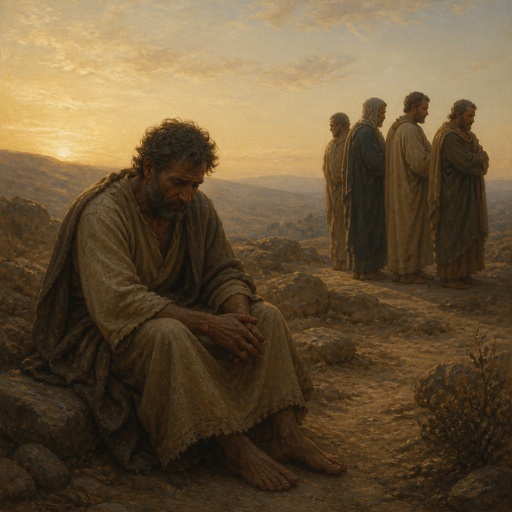
"These ten times have ye reproached me: ye are not ashamed that ye make yourselves strange to me." - Job 19:3

Job 3:1 - "After this opened Job his mouth, and cursed his day."

"And Job spake, and said," - Job 3:2

Job 8:19 - "Behold, this is the joy of his way, and out of the earth shall others grow."

Job 12:19 - "He leadeth princes away spoiled, and overthroweth the mighty."

Job 22:19 - "The righteous see it, and are glad: and the innocent laugh them to scorn."

Job 19:24 - "That they were graven with an iron pen and lead in the rock for ever!"

"¶ Then Job answered the LORD, and said," - Job 40:3

Job 6:19 - "The troops of Tema looked, the companies of Sheba waited for them."

Job 1:3

Job 28:3

Job 1:3

Job 28:3

Job 28:3

Job 1:3

Job 19:22 - "Why do ye persecute me as God, and are not satisfied with my flesh?"

Job 28:19 - "The topaz of Ethiopia shall not equal it, neither shall it be valued with pure gold."

Job 36:19 - "Will he esteem thy riches? no, not gold, nor all the forces of strength."

Job 19:4 - "And be it indeed that I have erred, mine error remaineth with myself."

Job 3:20-21 - "Job 3:20-21: Why is light given to those in misery, and life to the bitter of soul, to those who long for death that does not come, who search for it more than for hidden treasure?"

Job 19:14 - "My kinsfolk have failed, and my familiar friends have forgotten me."