What does Job 3:19 mean?
“The small and great are there; and the servant is free from his master.” — Job 3:19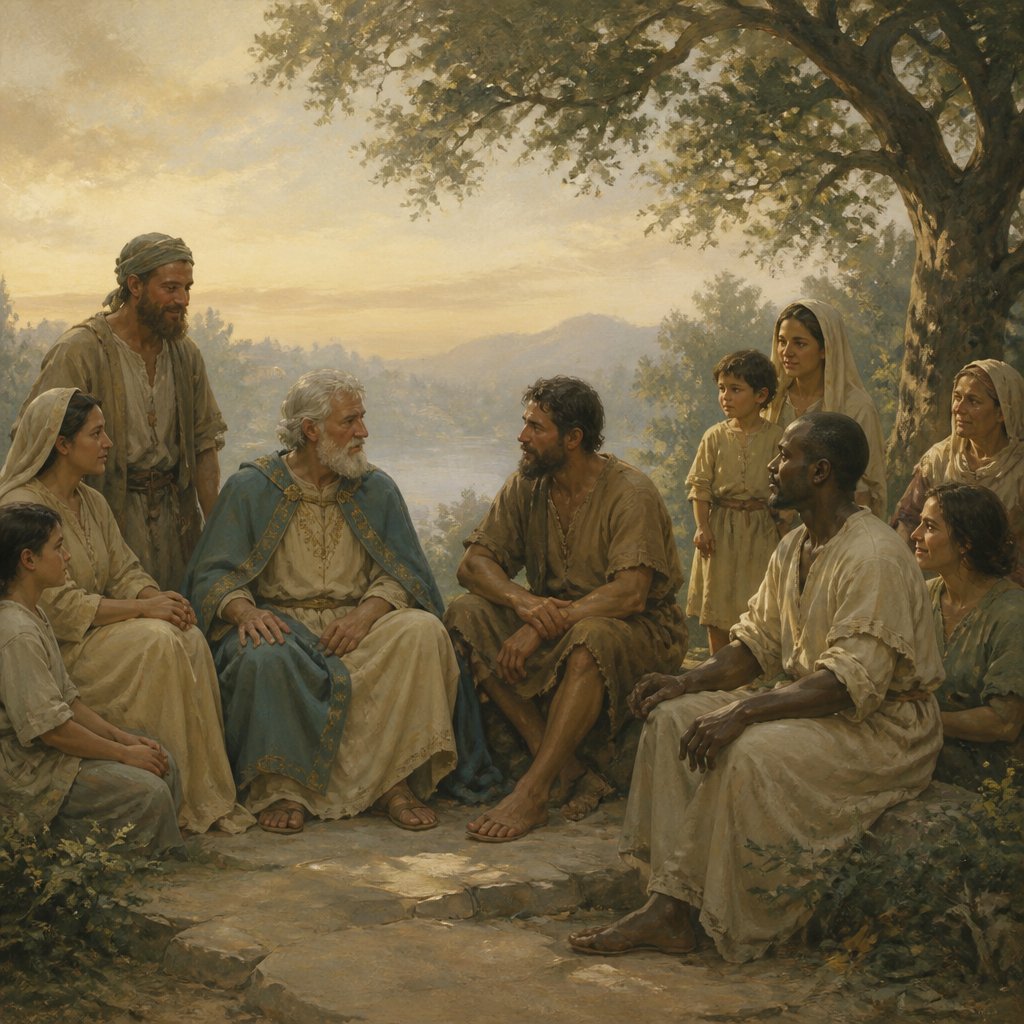
Job 3:19 (KJV) states: "The small and great are there; and the servant is free from his master."
The Book of Job is one of the most profound and enigmatic books in the Bible, filled with complex themes and deep philosophical questions about suffering, faith, and the nature of God. This particular verse comes from Job's lamentation after he has been struck with a series of tragic losses, including the deaths of his children, the loss of his wealth, and his own physical afflictions. In this verse, Job is expressing a longing for death, believing that in the afterlife, everyone, regardless of their social status, will be equal.
The theme of equality in death is central to this verse. Job acknowledges that in the realm of death, there is no distinction between the small and great. This speaks to the universal nature of death, as it is something that all people, regardless of their position in life, must ultimately face. This notion of equality in death is a powerful reminder of the transitory nature of earthly life and the futility of placing too much value on worldly possessions and status.
The phrase "and the servant is free from his master" further emphasizes the theme of equality in death. In the afterlife, the societal hierarchies that dictate the relationships between servants and masters will cease to exist. This conveys the idea that in death, all individuals will be released from the burdens and constraints of earthly societal structures, suggesting a form of liberation from the inequalities and injustices of the world.
This verse also touches upon the theme of the afterlife. Job's lamentation reflects a deep longing for release from the suffering and struggles of his earthly life. His belief in the equality of all individuals in death points to a hope for a transcendent realm where the disparities and hardships of this world are overcome. This theme of hope in the face of suffering is a central aspect of Job's narrative, as he grapples with the age-old question of why the righteous suffer and where to find meaning and hope in the midst of adversity.
In the context of the broader Book of Job, this verse is part of Job's impassioned plea to God, expressing his profound anguish and despair. Job's suffering prompts him to question the justice and fairness of God, leading to a series of philosophical debates and reflections on the nature of suffering and faith. This verse captures Job's deep emotional turmoil and his desperate longing for relief from his overwhelming pain.
Symbolically, this verse serves as a powerful reminder of the transitory nature of life and the universal experience of death. It echoes the biblical teachings about the fleeting nature of earthly existence and the need to focus on spiritual, rather than material, concerns. The idea of equality in death also carries with it a message of humility and the recognition of the fundamental equality of all human beings before God.
In conclusion, Job 3:19 is a poignant and profound reflection on the themes of equality in death, hope in the afterlife, and the universal experience of suffering. This verse encapsulates the deep existential and spiritual questions that the Book of Job grapples with, offering a timeless meditation on the nature of human existence and the complexities of faith. The verse serves as a reminder of the need for humility, compassion, and trust in the face of life's trials and tribulations.
Get our apps


Artwork for Job 3:19

Job 3:19 - "The small and great are there; and the servant is free from his master."
"The small and great are there; and the servant is free from his master." - Job 3:19

Job 19:3 - "These ten times have ye reproached me: ye are not ashamed that ye make yourselves strange to me."

Job 19:1 - "Then Job answered and said,"

"Then Job answered and said," - Job 19:1

Job 3:2 - "And Job spake, and said,"

Job 18-19

Job 40:3 - "¶ Then Job answered the LORD, and said,"

Job 19:19 - "All my inward friends abhorred me: and they whom I loved are turned against me."
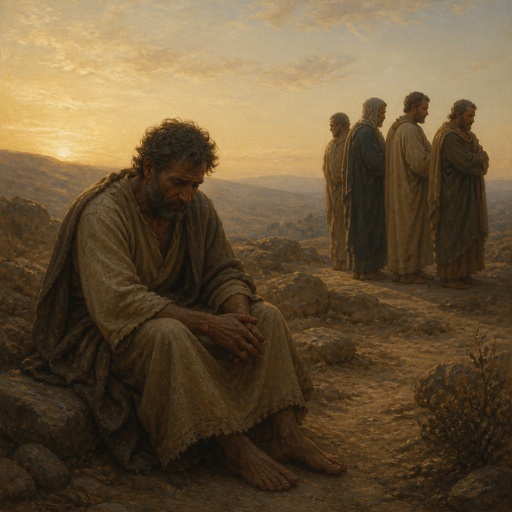
"These ten times have ye reproached me: ye are not ashamed that ye make yourselves strange to me." - Job 19:3

Job 3:1 - "After this opened Job his mouth, and cursed his day."

"And Job spake, and said," - Job 3:2

Job 8:19 - "Behold, this is the joy of his way, and out of the earth shall others grow."

Job 12:19 - "He leadeth princes away spoiled, and overthroweth the mighty."

Job 22:19 - "The righteous see it, and are glad: and the innocent laugh them to scorn."

Job 19:24 - "That they were graven with an iron pen and lead in the rock for ever!"

"¶ Then Job answered the LORD, and said," - Job 40:3

Job 6:19 - "The troops of Tema looked, the companies of Sheba waited for them."

Job 1:3

Job 28:3

Job 1:3

Job 28:3

Job 28:3

Job 1:3

Job 19:22 - "Why do ye persecute me as God, and are not satisfied with my flesh?"

Job 28:19 - "The topaz of Ethiopia shall not equal it, neither shall it be valued with pure gold."

Job 36:19 - "Will he esteem thy riches? no, not gold, nor all the forces of strength."

Job 19:4 - "And be it indeed that I have erred, mine error remaineth with myself."

Job 3:20-21 - "Job 3:20-21: Why is light given to those in misery, and life to the bitter of soul, to those who long for death that does not come, who search for it more than for hidden treasure?"

Job 19:14 - "My kinsfolk have failed, and my familiar friends have forgotten me."