The Burden of Sin: Seeking Restoration in Suffering
“I have sinned; what shall I do unto thee, O thou preserver of men? why hast thou set me as a mark against thee, so that I am a burden to myself?” — Job 7:20
In the depths of human experience, we often grapple with the weight of our own sins and the consequent burden they create within our lives. Job 7:20 presents a poignant illustration of this struggle: "I have sinned; what shall I do unto thee, O thou preserver of men? why hast thou set me as a mark against thee, so that I am a burden to myself?" This verse captures Job's desperate plea; it is a heart-wrenching acknowledgment of guilt, a cry for relief, and a profound question that resonates through the ages.
When we read these words, we are drawn into Job's anguish. Here is a man who once lived in prosperity and now faces unimaginable suffering. In moments of profound distress, it is natural for us to ponder our relationship with God, especially regarding our sins. Job, undoubtedly aware of his imperfections, asks God how he might rectify his situations. This question frames our understanding of sin—not merely as a legalistic infraction but as an act that affects our relationship with the Creator.
The very notion of sin carries with it a heavy weight. Job's sorrow was compounded by the belief that his troubles were directly connected to his failure to live righteously. Yet, in this moment of lament, Job seeks not just answers, but also redemption. We, too, may feel burdened by our sins, and in times of suffering, it is easy to assume that God is angry at us, targeting us as a 'mark against Him.' But what if, instead of viewing God primarily as a judge, we saw Him as a "preserver of men"? This shifts the focus from judgment to salvation, from condemnation to compassion.
Job’s question "what shall I do unto thee" reflects a deep yearning for reconciliation. It echoes the spirit of penance, suggesting that he is ready to confront and confess his sins. Likewise, we are invited to bring our sins before God without pretense. We do not have to carry the burden alone. Instead, we can shoulder our sins at the foot of the cross, understanding that Christ bore our burdens and paid the price for our transgressions. The Apostle Paul reminds us in Romans 8:1, "There is therefore now no condemnation to them which are in Christ Jesus." The invitation is to turn our face towards God, to take our burdens to Him, and to trust in His merciful nature.
Job’s lament, when he states that he has become a "burden to myself," resonates with many who feel overwhelmed by their sin. This statement can paint a vivid picture of how sin complicates our existence and introduces unwanted shackles. Yet, it can also serve as a vital turning point; acknowledging our burdens is the first step toward resolution. It’s in the honest confession of our struggles that we meet the grace of God, which offers not condemnation, but restoration.
As believers, we must remember that God, as the preserver of men, longs for us to come to Him in our weakness. He desires for us to recognize both our shortcomings and His infinite capacity for love and forgiveness. In the sacred journey of life, seasons of trial serve as moments to reflect on our relationship with Him. Just as He did for Job—who eventually experienced new blessings—He stands poised to renew our lives when we turn to Him in humility and repentance.
As we meditate on Job 7:20, let us resolve to lift our burdens to the Lord, acknowledge our sins, and embrace His forgiveness. We are reminded that while sin may attempt to shape our identity as a 'burden,' God’s grace defines us as beloved children. As we walk through life’s trials, let us do so with the knowledge that we are never beyond the reach of God’s preserving love. May we draw strength from His promise and approach Him with confidence, knowing that in our honesty, we will discover healing and restoration.
Get our apps


Artwork for Job 7:20

Job 7:20 - "I have sinned; what shall I do unto thee, O thou preserver of men? why hast thou set me as a mark against thee, so that I am a burden to myself?"

"I have sinned; what shall I do unto thee, O thou preserver of men? why hast thou set me as a mark against thee, so that I am a burden to myself?" - Job 7:20

Job 20:7 - "Yet he shall perish for ever like his own dung: they which have seen him shall say, Where is he?"

Job 1:20

Job 1:20

Job 3:20-21 - "Job 3:20-21: Why is light given to those in misery, and life to the bitter of soul, to those who long for death that does not come, who search for it more than for hidden treasure?"

Job 1:20 - "Then Job arose, and rent his mantle, and shaved his head, and fell down upon the ground, and worshipped,"

Job 20:5 - "That the triumphing of the wicked is short, and the joy of the hypocrite but for a moment?"

Job 20:1 - "Then answered Zophar the Naamathite, and said,"

Job 20:20 - "Surely he shall not feel quietness in his belly, he shall not save of that which he desired."

Job 28:20 - "Whence then cometh wisdom? and where is the place of understanding?"

Job 34:7 - "What man is like Job, who drinketh up scorning like water?"

Job 1:7

Job 1:7

Job 1:7

Job 36:20 - "Desire not the night, when people are cut off in their place."

Job 20:4 - "Knowest thou not this of old, since man was placed upon earth,"

"Yet he shall perish for ever like his own dung: they which have seen him shall say, Where is he?" - Job 20:7

Job 20:17 - "He shall not see the rivers, the floods, the brooks of honey and butter."

Job 7:7 - "O remember that my life is wind: mine eye shall no more see good."

Job 4:20 - "They are destroyed from morning to evening: they perish for ever without any regarding it."

Job 3:20 - "Wherefore is light given to him that is in misery, and life unto the bitter in soul;"

Job 29:20 - "My glory was fresh in me, and my bow was renewed in my hand."

Job 22:20 - "Whereas our substance is not cut down, but the remnant of them the fire consumeth."

Job 33:20 - "So that his life abhorreth bread, and his soul dainty meat."

Job 38:4-7

Job 6:20 - "They were confounded because they had hoped; they came thither, and were ashamed."

Job 20:13 - "Though he spare it, and forsake it not; but keep it still within his mouth:"

Job 12:20 - "He removeth away the speech of the trusty, and taketh away the understanding of the aged."
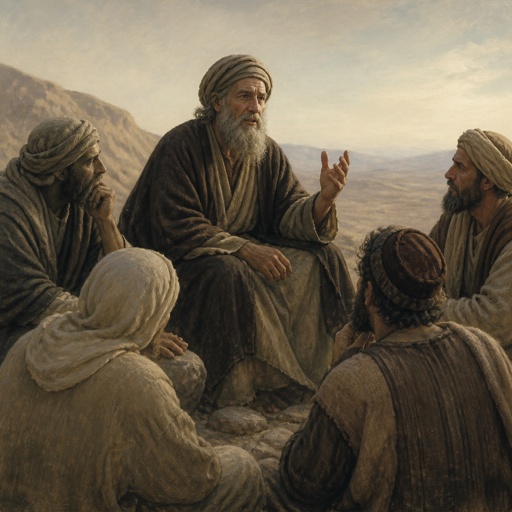
"Then answered Zophar the Naamathite, and said," - Job 20:1