Understanding Our Identity in Christ
“And they asked him, What then? Art thou Elias? And he saith, I am not. Art thou that prophet? And he answered, No.” — John 1:21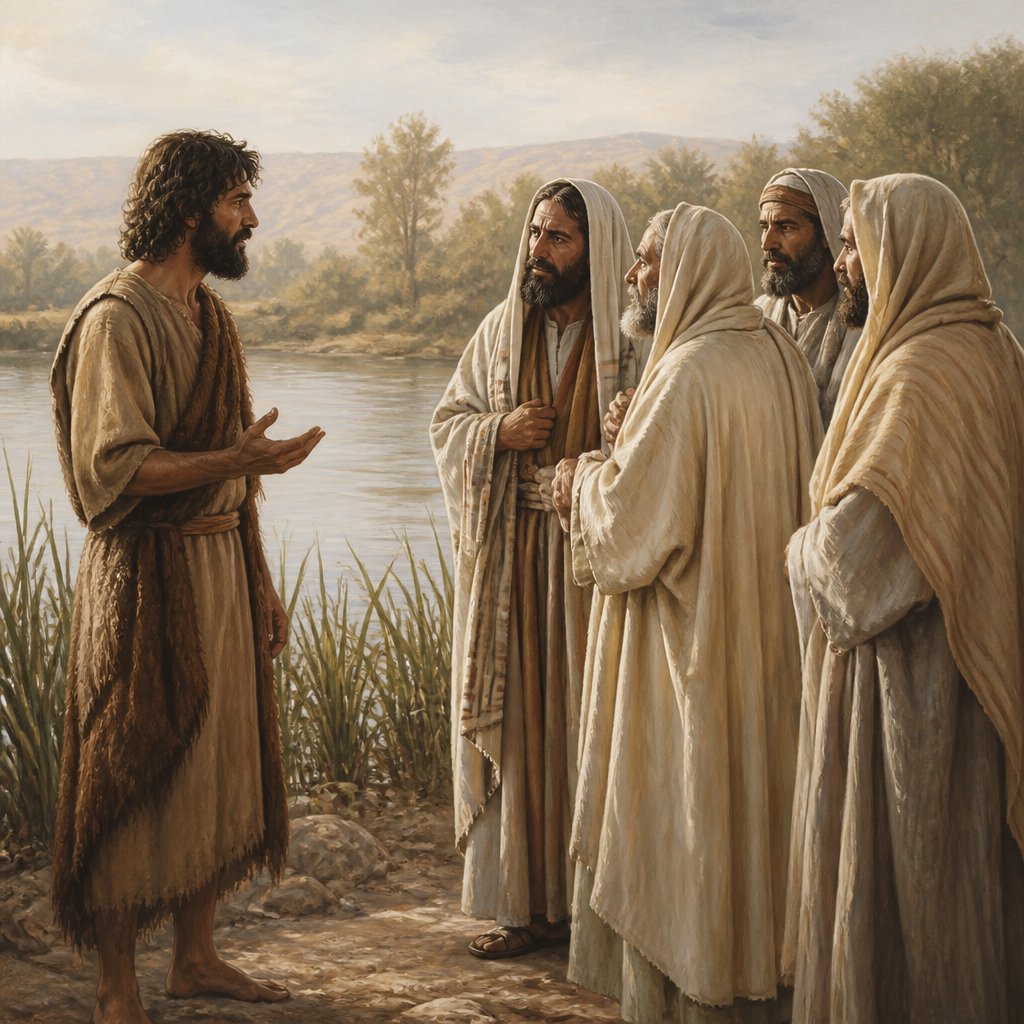
The inquiry posed to John the Baptist in John 1:21—"And they asked him, What then? Art thou Elias? And he saith, I am not. Art thou that prophet? And he answered, No"—reveals a profound exploration of identity and purpose in the life of a believer. In this brief yet powerful exchange, we see not only the profound humility of John but also the importance of knowing who we are in relation to who God is.
In a world where identity can often be clouded by expectation and misunderstanding, John the Baptist serves as a striking example of clarity and conviction. It is vital to understand the context of this passage. The authorities and the people of Israel had long awaited a prophetic voice, someone to herald the coming of the Messiah. They wondered if this enigmatic figure—John—might be the reincarnation of an earlier prophet, such as Elijah (Elias) or perhaps even the prophet Moses had prophesied about.
As readers of this text, we must pause and consider the nature of John’s response. Instead of claiming greatness or seeking to elevate his stature, he firmly declares, "I am not." This is a powerful statement reflecting the essence of humility before God. John understood that his mission was to point others towards Christ, not to gain followers for himself. In doing so, he embodied the instruction found in 2 Corinthians 5:20, where Paul writes, "Now then we are ambassadors for Christ, as though God did beseech you by us: we pray you in Christ's stead, be ye reconciled to God."
John knew that true fulfillment and purpose do not come from being someone else or seeking the titles that the world would assign to him. Instead, his identity and mission were intrinsically linked to Jesus. Each of us faces the challenge of defining ourselves against worldly measures. Are we successful? Are we popular? Are we recognized for our contributions? The temptation is to allow these markers to dictate our value and identity. Yet, the example we see in John’s refusal to falsely identify himself serves as a call to reject such comparisons.
The question, “Art thou Elias?” suggests a significant expectation. Elijah was seen as a cornerstone figure, a prophet with immense authority. But John does not allow himself to be boxed into that identity. He knows that while his role is important, he is not the fulfillment of that expectation. This highlights the importance of knowing our specific calling from God. Each believer has a unique purpose designed by God; differentiating our calling helps us to stay focused on our own assignments rather than chasing after others’ designs or comparisons.
Moreover, when John is asked, "Art thou that prophet?" and responds with, "No," it once again demonstrates his clarity of purpose. Rather than claiming titles, he consistently points away from himself and towards Christ. His life serves as a living testimony for us today, challenging us to seek our identity in God rather than in societal constructs. This is echoed in Galatians 2:20, where Paul shares, "I am crucified with Christ: nevertheless I live; yet not I, but Christ liveth in me: and the life which I now live in the flesh I live by the faith of the Son of God, who loved me, and gave himself for me."
In conclusion, John the Baptist's response illustrates the significance of humility and clarity regarding our identity in Christ. In our quest for purpose, we must ask ourselves: Who does God say I am? Am I living in a way that reflects my identity as His child? As we navigate the complexities of identity, let us remember John’s unwavering commitment to his role. May we aim to replicate this by consciously embracing our God-given purpose and leading others towards Christ, ensuring that all glory be given to the one who deserves it—our Lord and Savior.
Get our apps


Artwork for John 1:21

John 1:21 - "And they asked him, What then? Art thou Elias? And he saith, I am not. Art thou that prophet? And he answered, No."
"And they asked him, What then? Art thou Elias? And he saith, I am not. Art thou that prophet? And he answered, No." - John 1:21

John 21:6

John 21:6

John 14:15-21

1 John 5:21 - "Little children, keep yourselves from idols. Amen."

1 John 3:21 - "Beloved, if our heart condemn us not, then have we confidence toward God."

John 21:1 - "After these things Jesus shewed himself again to the disciples at the sea of Tiberias; and on this wise shewed he himself."

1 John 4:21 - "And this commandment have we from him, That he who loveth God love his brother also."

1 John 2:21 - "I have not written unto you because ye know not the truth, but because ye know it, and that no lie is of the truth."

John 20:21

john 21:9

"Little children, keep yourselves from idols. Amen." - 1 John 5:21

John 21:21 - "Peter seeing him saith to Jesus, Lord, and what shall this man do?"

John 21:6

John 21:17

John 21:25

John 21:6

"And this commandment have we from him, That he who loveth God love his brother also." - 1 John 4:21

John 21:15-19

John 2:21 - "But he spake of the temple of his body."
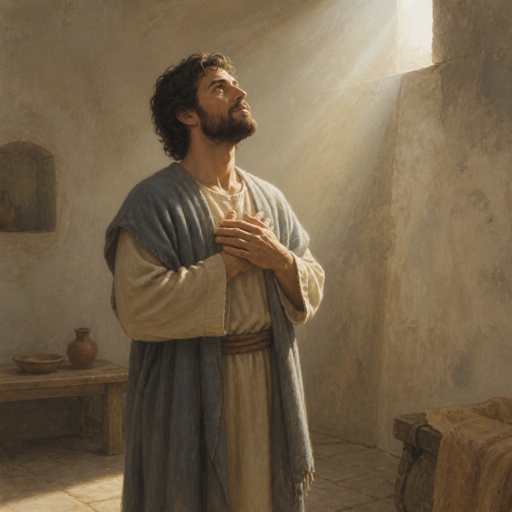
"Beloved, if our heart condemn us not, then have we confidence toward God." - 1 John 3:21

John 21:13 - "Jesus then cometh, and taketh bread, and giveth them, and fish likewise."

numbers 21:8-9 & John 3:14
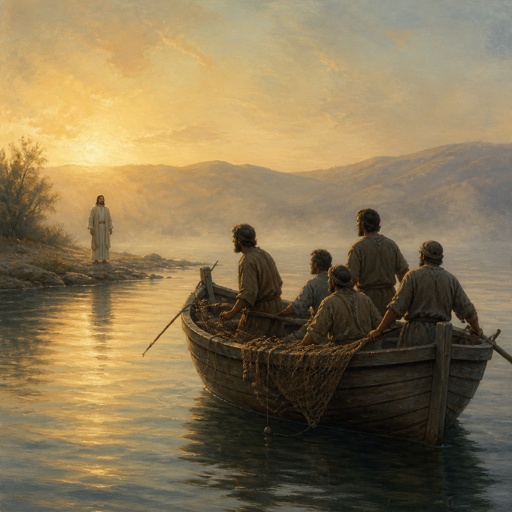
"After these things Jesus shewed himself again to the disciples at the sea of Tiberias; and on this wise shewed he himself." - John 21:1

John 21:4 - "But when the morning was now come, Jesus stood on the shore: but the disciples knew not that it was Jesus."

John 6:21 - "Then they willingly received him into the ship: and immediately the ship was at the land whither they went."

1 John 3:21-22 - "Beloved, if our heart does not condemn us, we have confidence before God; and whatever we ask we receive from Him, because we keep His commandments and do the things that are pleasing in His sight."

"Peter seeing him saith to Jesus, Lord, and what shall this man do?" - John 21:21

"And this commandment have we from him, That he who loveth God love his brother also." - 1 John 4:21