The Infallible Word: A Deeper Understanding of John 10:35
“If he called them gods, unto whom the word of God came, and the scripture can not be broken;” — John 10:35
In the heart of Gospel of John lies a profound statement about the nature of God's Word, articulated in John 10:35: "If he called them gods, unto whom the word of God came, and the scripture cannot be broken;" This verse serves as an essential reminder of the supreme authority and unalterable truth of the Scriptures, emphasizing several key aspects of our faith that are crucial for our spiritual journey.
Firstly, it's vital to understand the context in which Jesus speaks this statement. He is addressing a group of Jews who have accused Him of blasphemy for claiming to be the Son of God. By referencing the scripture where God calls certain leaders "gods," Jesus asserts that the term can be applied in a limited sense to those who have received the divine message, highlighting the gravity and authority bestowed upon them. More importantly, He draws attention to the indomitable essence of the Scriptures, signaling that what God has declared cannot be undone. The phrase "the scripture cannot be broken" underscores the divine integrity and inerrancy of God's Word. God’s declarations stand firm through times of trial and triumph.
When we consider the implications of this verse, we must allow it to influence how we engage with the Scriptures today. The Bible is not merely a document of historical facts or moral stories; it is the living Word of God, and through it, we are confronted with God’s nature, His commandments, and the offer of salvation through Jesus Christ. Therefore, if we approach the Bible with any skepticism or dismissiveness, we risk undermining our relationship with God and the truths He communicates to humanity.
In this rapidly changing world, where opinions and ideologies shift like the wind, holding fast to the unchanging truth of Scripture is paramount. As quoted in James 1:17, "Every good gift and every perfect gift is from above, and cometh down from the Father of lights, with whom is no variableness, neither shadow of turning." The Word of God remains a steadfast anchor for our souls, providing guidance, comfort, and the revelation of His character.
Furthermore, John 10:35 echoes the theme of God's communication to His people. "Unto whom the word of God came" points to the chosen individuals who faithfully received and proclaimed God’s revelations. This reminds us that we are also called to be vessels through which God’s Word is shared. In Matthew 28:19-20, known as the Great Commission, Jesus instructs His followers to "go therefore and make disciples of all nations, baptizing them in the name of the Father and of the Son and of the Holy Spirit." As recipients of God’s Word, we have the privilege and responsibility to pass it on, knowing it cannot fail in its purpose.
Moreover, the confidence that "the scripture cannot be broken" should embolden us in our faith. In times of uncertainty, doubt, or fear, we can cling to the promises found in Scripture, knowing they are not merely transient words but firm foundations upon which we can stand. Romans 4:21 illustrates the unwavering faith of Abraham, stating, "And being fully persuaded that, what he had promised, he was able also to perform." Just as Abraham’s faith rested upon the promises of God, so should ours be firmly grounded in His Word.
In conclusion, John 10:35 invites us into a deeper relationship with the Word of God—one that recognizes its divine authority and unbreakable nature. As we read, study, and meditate upon Scripture, let us embrace its life-giving power and be inspired to share it with others. May we cultivate an unwavering faith that reflects our belief in the reliability of God's Word, so that through us, others may also come to know the truth that cannot be broken.
Get our apps


Artwork for John 10:35

John 10:35 - "If he called them gods, unto whom the word of God came, and the scripture cannot be broken;"

"If he called them gods, unto whom the word of God came, and the scripture cannot be broken;" - John 10:35

Mark 10:35 Then James and John, the sons of Zebedee, came to Him,

Mark 10:35-45

Mark 10:35 - "¶ And James and John, the sons of Zebedee, come unto him, saying, Master, we would that thou shouldest do for us whatsoever we shall desire."

Mark 10:35-45

John (11:35) Jesus wept.

Mark 10:35 Then James and John, the sons of Zebedee, came to Him, saying, “Teacher, we want You to do for us whatever we ask.”

John (11:35) Jesus wept.

John (11:35) Jesus wept.

John (11:35) Jesus wept.
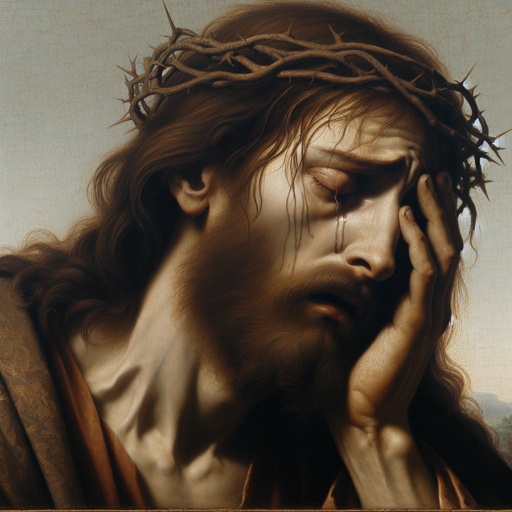
John (11:35) Jesus wept.

John (11:35) Jesus wept.

John 11:35

John 11:35
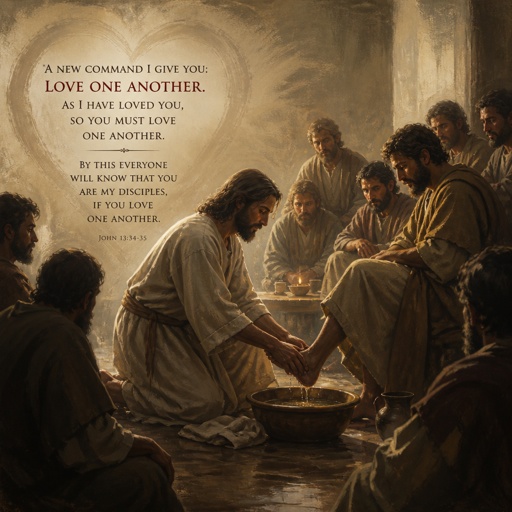
John 13: 34-35

John 1:35 - "¶ Again the next day after John stood, and two of his disciples;"

John (11:35) Jesus wept.
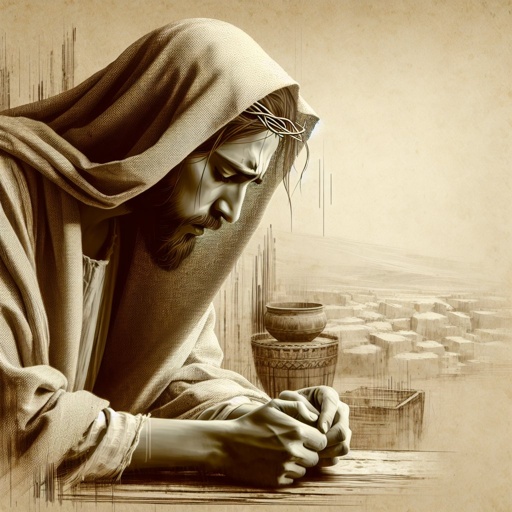
John 11:35 - "Jesus wept."

John (11:35) Jesus wept.

John (11:35) Jesus wept.

John (11:35) Jesus wept.

John (11:35) Jesus wept.

John (11:35) Jesus wept.

John (11:35) Jesus wept.
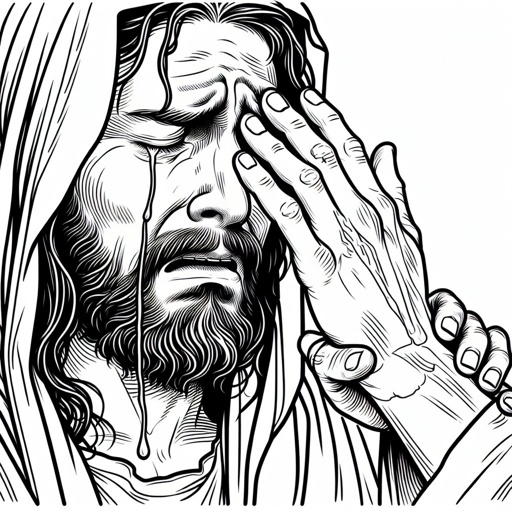
John (11:35) Jesus wept.

John 13:31-35

"Jesus wept." - John 11:35

John 8:35 - "And the servant abideth not in the house for ever: but the Son abideth ever."

Isaiah 35:8-10