Hope in the Midst of Grief: The Promise of Resurrection
“Jesus saith unto her, Thy brother shall rise again.” — John 11:23
John 11:23 declares, "Jesus saith unto her, Thy brother shall rise again." This assurance was spoken to Martha as she mourned the death of her brother Lazarus—an event that unfolded in a very human context of grief, confusion, and deep sorrow.
As we delve into this passage, we see the evocative interplay between faith and despair, between the stark reality of death and the liberating hope found in Christ. This moment takes place amid the emotional chaos that often accompanies loss. Martha’s faith shines through in her interaction with Jesus; she confesses that she believes in the resurrection of the dead, yet her immediate experience of loss clouds her understanding of what His words entail.
Martha’s heartbreak is relatable and stands in contrast to the glorious promise Jesus makes: "Thy brother shall rise again." This proclamation is not simply a future event but a profound revelation of God's redemptive purpose and power. Here, Jesus is affirming that death is not the end. In our own lives, we often confront circumstances that feel terminal—relationships strained beyond repair, dreams dashed, and hopes buried under the weight of disappointment and loss. Yet, in the words of Jesus, we find a source of strength and reassurance.
As we reflect on this verse, it compels us to consider the nature of our faith in times of trial. Martha recognized that Jesus could have intervened before Lazarus died, expressing her belief with the words, "If thou hadst been here, my brother had not died" (John 11:21). Similar sentiments may echo in our hearts during seasons of difficulty: if only God had acted sooner or if only circumstances had been different. However, Jesus challenges Martha—and us—to look beyond present circumstances to a greater reality that transcends our understanding.
The question then arises: What does it mean for us today that our "brother shall rise again"? For Martha, it meant restoring her brother to life physically, illustrating God's absolute power over death. For us, this can symbolize the restoration of brokenness in various aspects of our lives. It encourages us to bring our circumstances—our griefs, losses, and fears—to Him with the faith that He holds power over all things, including death itself.
The response from Martha is also worth examining. She acknowledges Jesus’ statement through her belief in the resurrection that would occur at the last day (John 11:24). However, Jesus then declares, "I am the resurrection and the life: he that believeth in me, though he were dead, yet shall he live" (John 11:25). This powerful revelation not only points to a future event but also asserts that the essence of life is found in Him. Christ positions Himself as the answer to our deepest longings and the ultimate resurrection, providing hope in the midst of the shadows cast by despair.
Thus, we can take away several essential truths from this scripture. First, Jesus is deeply compassionate, acknowledging our pain and suffering when we face grief. Second, His ability to resurrect is not limited to physical death alone but encompasses the restoration of our spirits and relationships.
In our darkest hours, when grief seems insurmountable, let us remember that Christ meets us in our sorrow and lifts our sight to the eternal promises that await us. May we remember that with Christ, there is always a promise of hope, healing, and resurrection. Let us trust that whatever situations appear dead in our lives, He has the authority and the love to bring forth new life.
Therefore, let us hold fast to this promise: "Thy brother shall rise again."
We, too, shall see a rise in hope, faith, and renewal in trusting His perfect timing and infinite power.
Get our apps


Artwork for John 11:23

John 11:23 - "Jesus saith unto her, Thy brother shall rise again."

"Jesus saith unto her, Thy brother shall rise again." - John 11:23

John 3:23 - "¶ And John also was baptizing in Aenon near to Salim, because there was much water there: and they came, and were baptized."

John 14:23-29

John 14:23-29

John 14:23-29

John 10:23 - "And Jesus walked in the temple in Solomon's porch."

John (11:35) Jesus wept.

Genesis 23:11

luke 11:23

John 15:23 - "He that hateth me hateth my Father also."
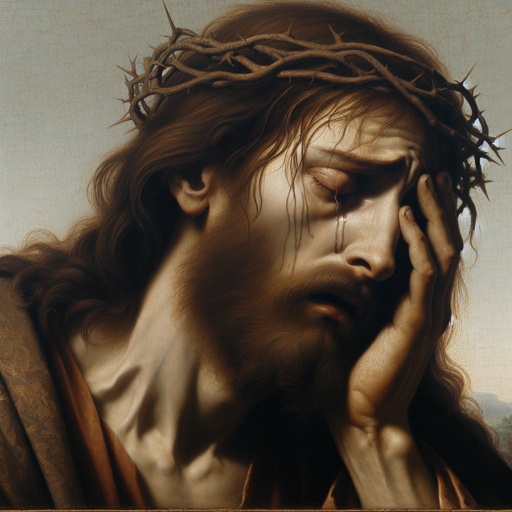
John (11:35) Jesus wept.

John (11:35) Jesus wept.

John 11:35

John 15.1-11

John 11:35

luke 11:23

Deuteronomy 11:23

luke 11:23

luke 11:23

John (11:35) Jesus wept.

John (11:35) Jesus wept.

John (11:35) Jesus wept.

John 9:23 - "Therefore said his parents, He is of age; ask him."

John (11:35) Jesus wept.

John (11:35) Jesus wept.

John (11:35) Jesus wept.
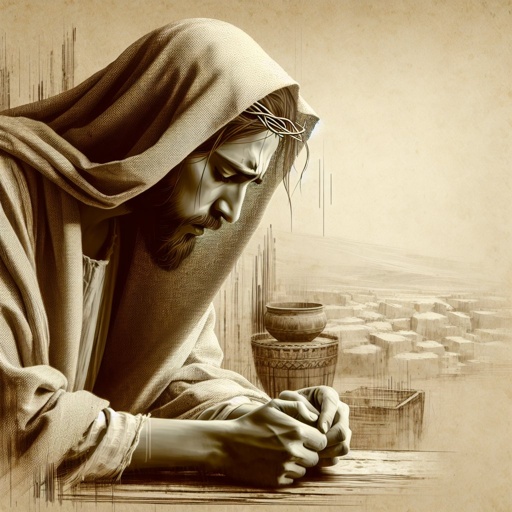
John 11:35 - "Jesus wept."

John (11:35) Jesus wept.

John (11:35) Jesus wept.