Believing Beyond the Grave: A Testament of Faith
“She saith unto him, Yea, Lord: I believe that thou art the Christ, the Son of God, which should come into the world.” — John 11:27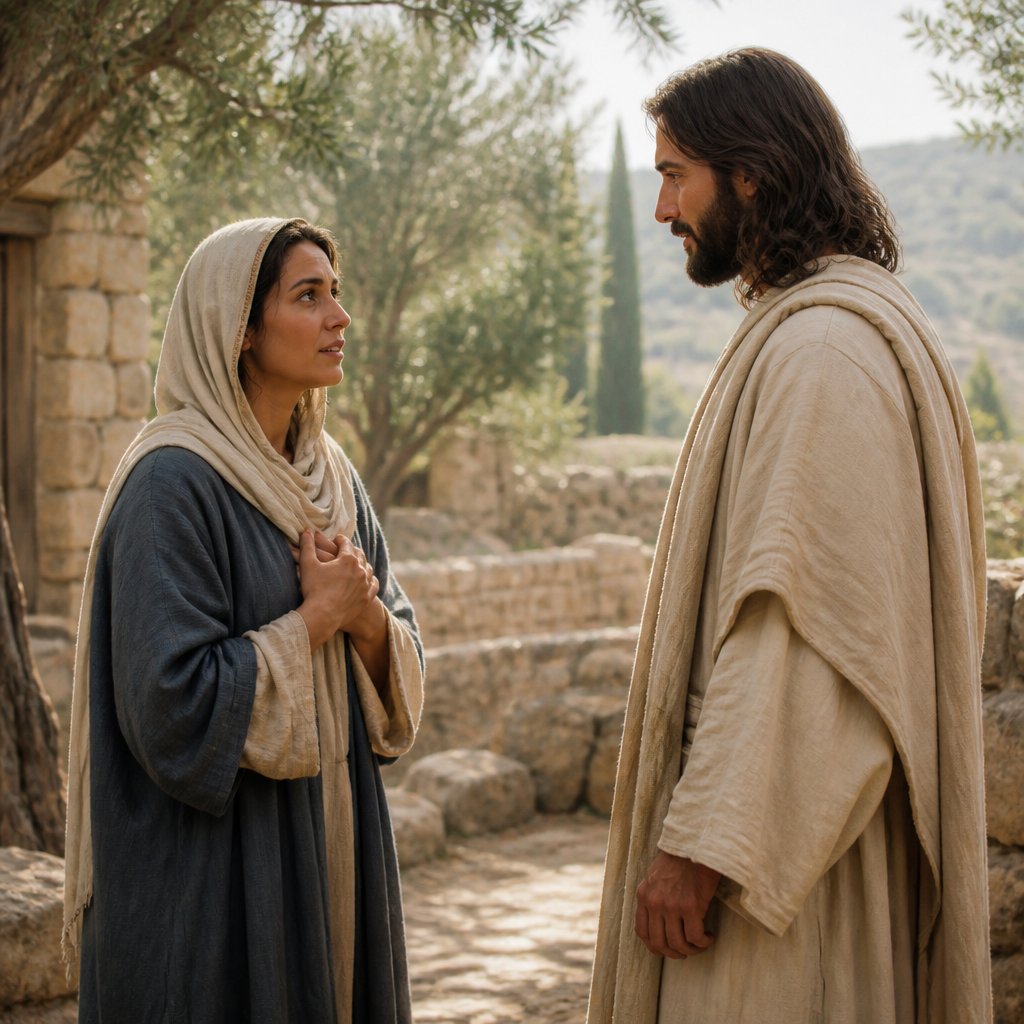
In the heart of John's Gospel lies a powerful proclamation of faith rendered by Martha, the sister of Lazarus, who had died shortly before this moment. The verse of focus, John 11:27, reads, "She saith unto him, Yea, Lord: I believe that thou art the Christ, the Son of God, which should come into the world." This statement is not merely an acknowledgment of Jesus' identity but, more profoundly, an urgent declaration of hope amidst despair.
As we delve deeper into this scripture, it is vital to understand the context. Lazarus has died, and Martha, grappling with grief, encounters Jesus, who has arrived four days after her brother's burial. The weight of sorrow hangs thick in the air, yet amidst this sadness, a conversation begins. Martha first expresses her disappointment that Jesus didn't arrive sooner to prevent her brother's death. However, her lament quickly transforms into an act of faith.
When Martha responds to Jesus, saying, "Yea, Lord: I believe that thou art the Christ," she acknowledges Jesus as the Messiah. The term "Christ" embodies not just the expectation of the Jewish people for a redeemer but also denotes Jesus' role as the anointed one who has come into the world for redemption and salvation. She believes that He possesses the divine authority necessary to redefine her situation—a profound insight in a moment marked by loss.
Martha's faith is both raw and real. It reveals a layered understanding of Jesus’ identity and mission, understanding that goes beyond mere intellectual assent. Her declaration of faith amidst tragedy demonstrates a personal connection with Jesus. She believes in Him not just as a distant divine figure, but intimately as the Son of God—a sovereign being with the power to reconcile life, hope, and even death itself.
In this scene, Martha embodies a crucial aspect of genuine faith: the ability to believe despite the circumstances. How often do we find ourselves in situations that challenge our belief? The pressures of life—loss, illness, heartbreak—can make it easy to forget or doubt the power of Christ. Yet here is Martha, who, despite her tragedy, positions her belief in Jesus as the most significant anchor of her identity and hope. Her declaration is a reminder that faith is not the absence of doubt; it is the choice to trust in Jesus when it seems most difficult.
The phrase "which should come into the world" indicates a forward-looking faith, firmly rooted in Old Testament prophecies. Martha aligns herself with the promises of God, recognizing that Jesus is the fulfillment of those ancient prophecies. This perspective invites us to see beyond our immediate troubles and reflect on the greater narrative—a God who has been at work throughout history to bring about redemption. It encourages us to see our struggles as part of a larger story of faith and hope.
Moreover, this passage serves as a poignant reminder that Jesus meets us where we are. He does not chastise Martha for her feelings of disappointment; instead, He engages her in a conversation that leads her from a place of sorrow to a promise of resurrection and hope. As we navigate our doubts and trials, understanding Jesus as the compassionate Savior can help us open up to Him, laying before Him our own griefs and questions.
As you meditate on John 11:27, consider your own understanding of who Jesus is in your life today. Are you willing to declare your belief in Him, even in the midst of your struggles? Allow Martha's faith to inspire you; her words can echo in your heart as a proclamation of belief that brings comfort and courage. Let us step forth in faith, claiming our belief in Jesus Christ, the Son of God, who has the power to transform our circumstances and breathe hope into our darkest moments.
Get our apps


Artwork for John 11:27
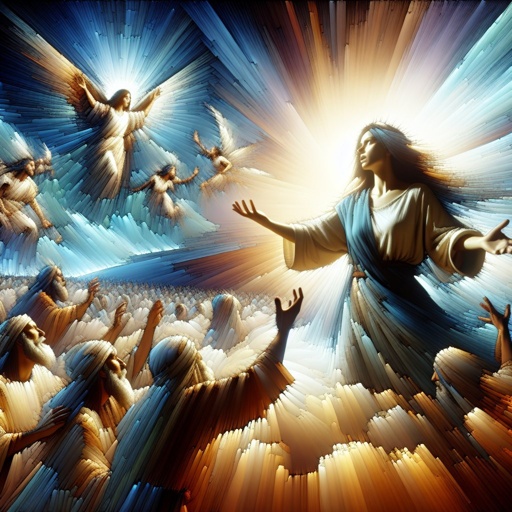
John 11:27 - "She saith unto him, Yea, Lord: I believe that thou art the Christ, the Son of God, which should come into the world."
"She saith unto him, Yea, Lord: I believe that thou art the Christ, the Son of God, which should come into the world." - John 11:27

John 20:27

John 20:27

John 19:25-27

1 John 2:27

John 3:27 - "John answered and said, A man can receive nothing, except it be given him from heaven."

1 John 2:27

John 19:25-27

John 19:26-27

1 John 2:27

1 John 2:27

John 18:27 - "Peter then denied again: and immediately the cock crew."

John 8:27 - "They understood not that he spake to them of the Father."

John 19:25-27 with emphasis on Mary

John (11:35) Jesus wept.
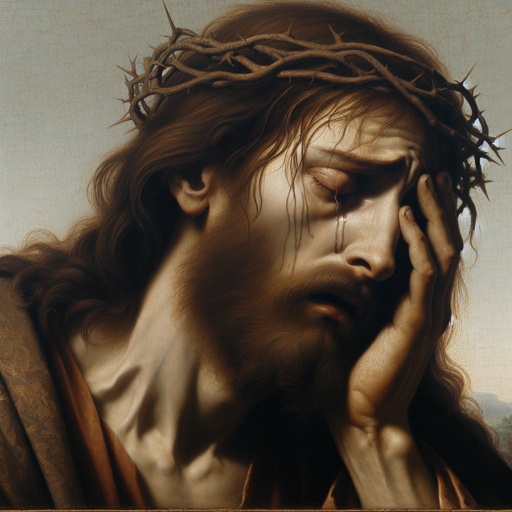
John (11:35) Jesus wept.

John (11:35) Jesus wept.

John 11:35

John 15.1-11

John 11:35

John (11:35) Jesus wept.

John (11:35) Jesus wept.

John (11:35) Jesus wept.

1 Chronicles 11:27 - "Shammoth the Harorite, Helez the Pelonite,"

John 10:27 - "My sheep hear my voice, and I know them, and they follow me:"

John (11:35) Jesus wept.
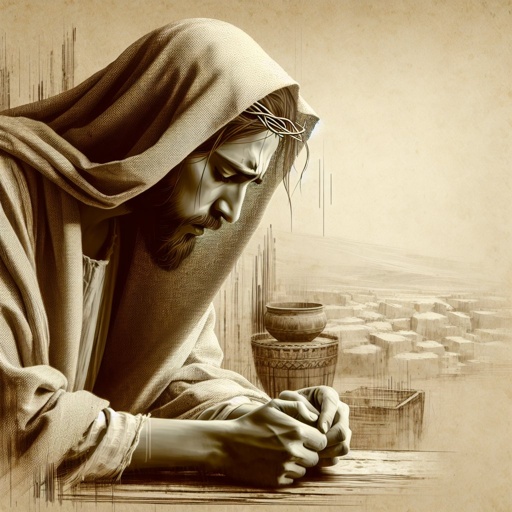
John 11:35 - "Jesus wept."
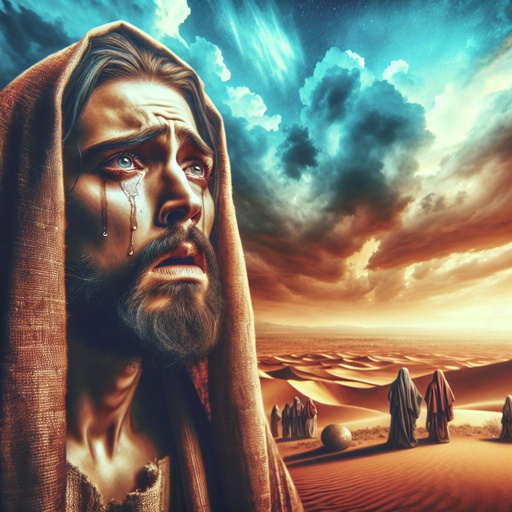
John (11:35) Jesus wept.

John (11:35) Jesus wept.