Where Have You Laid Him? A Journey to Compassion
“And said, Where have ye laid him? They said unto him, Lord, come and see.” — John 11:34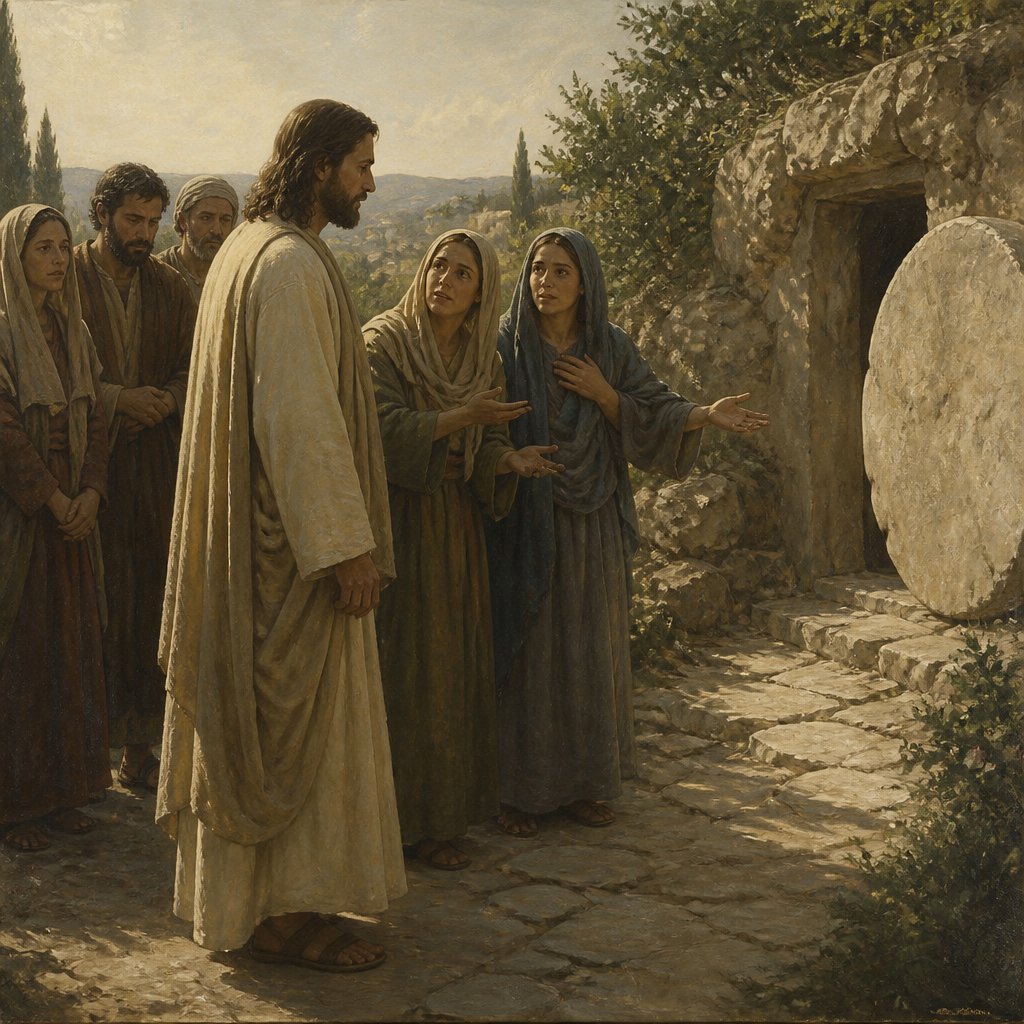
In the quiet moments of our lives, we often wrestle with deeper questions—questions that probe us to examine where we truly lay our loved ones, our hopes, and our faith. The profound verse from John 11:34 reads, "And said, Where have ye laid him? They said unto him, Lord, come and see." In this moment, we witness a divine curiosity that encapsulates the heart of Jesus as He approaches the tomb of Lazarus, a friend who has passed away. Here lies an opportunity for us to explore the layers of grief, compassion, and the hope that cradles our despair.
Jesus, fully God and fully man, experiences emotions commonly felt by humanity: grief, sadness, and empathy. When His friend Lazarus dies, Jesus does not simply rush to perform a miracle. Instead, He stops to inquire, asking where Lazarus has been laid. This inquiry is not a mere formality; it opens a window into the heart of Jesus, showcasing His desire to fully understand the pain and situation His friends are grappling with.
The question, "Where have ye laid him?" resonates on multiple levels. Jesus transitions from heavenly power to intimate engagement. He is not above our struggles. He chooses to come near and confront the reality of death and sorrow with those He loves. This question serves as a reminder that Jesus journeys alongside us in our grief; He does not distant Himself from our pain.
When Martha and Mary, Lazarus’s sisters, lead Jesus to the tomb, they embody an essential aspect of our own spiritual journey. They invite Jesus into their sorrow. Similarly, we are called to bring our woundedness, our loss, and our confusion to the Lord. Are we willing to lead Jesus to the depths of our grief? When faced with our trials, do we respond to Him with honesty, acknowledging where we have laid our hopes and loved ones?
The act of showing Jesus where Lazarus is not just an invitation to physical space; it symbolizes a surrender of emotion and hope. Martha’s response, "Lord, come and see," indicates a profound yet simple faith. In the face of her loss, she invites Jesus into her pain, demonstrating trust that He can see and perhaps even remedy her suffering. She does not merely dictate her need; she presents her vulnerability. There is strength in acknowledging our weaknesses and bringing them to Jesus' feet. When we tell Him about the losses we endure, we are not just sharing information; we are developing an intimate relationship based on trust and reliance.
In our times of sorrow, the Lord prompts us to ask questions that may seem insignificant at first but can usher in healing. How often do we hear His invitation to come and show Him where we are hurting? Where do we bury our dreams, our relationships, and our faith? The places in our lives where we feel loss can become sacred ground when we invite Jesus into them.
In our fast-paced world, it is easy to brush aside emotions—to bury grief instead of acknowledging it. Yet, just as Jesus approached the tomb, He enters into our darkness with compassion that transcends understanding. The verse ultimately reminds us that Jesus does not remain at a distance; He comes close to witness our afflictions, and He cares deeply about what we lay down in our lives.
As we meditate on this passage, let us ask ourselves, where have we laid our hopes, our burdens, and our trust? As we contemplate our own lives, may we find comfort in the knowledge that He desires to walk with us, sharing our burdens and offering the hope of resurrection and healing. Jesus can transform our tombs of sorrow into places of encounter, where life emerges even from death, and where hope can blossom anew. Let us therefore invite Him into our hearts, into our lives, and into our spaces of deepest need.
Get our apps


Artwork for John 11:34

John 11:34 - "And said, Where have ye laid him? They said unto him, Lord, come and see."
"And said, Where have ye laid him? They said unto him, Lord, come and see." - John 11:34
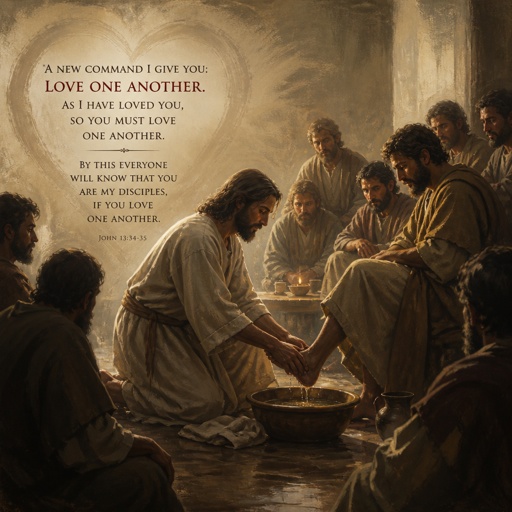
John 13: 34-35

John 1:34 - "And I saw, and bare record that this is the Son of God."

John 6:34 - "Then said they unto him, Lord, evermore give us this bread."

Nehemiah 11:34 - "Hadid, Zeboim, Neballat,"

John 13:34 Love Hope Strength Bless

John 13:34 Love Hope Strength Bless

John 13:34 Love Hope Strength Bless

John 13:34 Love Hope Strength Bless

John 10:34 - "Jesus answered them, Is it not written in your law, I said, Ye are gods?"

John 19:34 - "But one of the soldiers with a spear pierced his side, and forthwith came there out blood and water."

John 5:34 - "But I receive not testimony from man: but these things I say, that ye might be saved."

John 4:34 - "Jesus saith unto them, My meat is to do the will of him that sent me, and to finish his work."

"Hadid, Zeboim, Neballat," - Nehemiah 11:34

John 18:34 - "Jesus answered him, Sayest thou this thing of thyself, or did others tell it thee of me?"

John 7:34 - "Ye shall seek me, and shall not find me: and where I am, thither ye cannot come."

1 Chronicles 11:34 - "The sons of Hashem the Gizonite, Jonathan the son of Shage the Hararite,"

Numbers 11:34 - "And he called the name of that place Kibroth-hattaavah: because there they buried the people that lusted."

"And I saw, and bare record that this is the Son of God." - John 1:34

John 3:34 - "For he whom God hath sent speaketh the words of God: for God giveth not the Spirit by measure unto him."

John 8:34 - "Jesus answered them, Verily, verily, I say unto you, Whosoever committeth sin is the servant of sin."

Images that depicts the verse Matthew 27:11-34

John 9:34 - "They answered and said unto him, Thou wast altogether born in sins, and dost thou teach us? And they cast him out."

Romans 11:34 - "For who hath known the mind of the Lord? or who hath been his counsellor?"

John (11:35) Jesus wept.

John (11:35) Jesus wept.

John (11:35) Jesus wept.

John 11:35

John 15.1-11