The Dilemma of the Heart: Confronting Christ's Miracles
“Then gathered the chief priests and the Pharisees a council, and said, What do we? for this man doeth many miracles.” — John 11:47
In John 11:47, we encounter a pivotal moment in the Gospels that highlights the profound tension between spiritual authority and divine revelation. The verse states, "Then gathered the chief priests and the Pharisees a council, and said, What do we? for this man doeth many miracles." This moment occurs just after the miraculous raising of Lazarus, a sign that unequivocally demonstrates Jesus’s authority over life and death. As we explore this passage, we unearth deep lessons pertinent not only to the religious leaders of that day but also to us as modern believers.
### A Gathering of Concern and Fear
The context of this verse reveals a meeting marked by anxiety and fear among the chief priests and Pharisees. They were the custodians of religious law and tradition, deeply invested in their religious structure and authority. Instead of recognizing Jesus’s miracles as signs pointing to His divinity, they viewed them as threats to their established order. Herein lies a dilemma: the fear of change can blur our vision of truth.
The question posed, "What do we?" encapsulates their moment of crisis. It’s an admission of their helplessness in the face of something extraordinary that challenges their understanding and power. Similarly, we face moments of existential crisis when our faith is confronted by truths we find uncomfortable or inconvenient. The Pharisees were confronted not only with a miracle worker but with the very divine character of God displayed before them incarnate.
### The Nature of Miracles
Miracles are often misunderstood. They are not mere supernatural acts but are testimonies of God’s presence and power. This miracle of raising Lazarus was a clear declaration of Jesus as the Resurrection and the Life—a precursor to the ultimate miracle of His own resurrection. The chief priests and Pharisees, however, chose to focus on the implications of Jesus’s power rather than acknowledging the profound truth of who He was.
This invites us to reflect: how do we react to the miracles in our lives? Are we quick to rationalize them away, explaining them with natural phenomena, or do we pause in reverence for the hand of God at work? In the face of miracles, our hearts reveal their true posture.
### A Call to Divine Recognition
The Pharisees’ response calls for an inner examination of our own recognition of Jesus in our lives. Are we, like them, gathering councils to debate and dissect His miracles and teachings, or are we surrendering to the transforming truth of Christ? It is easy to become preoccupied with the logistics of faith—the commitments, the traditions, the rituals—and miss the living essence of Jesus among us.
In asking, "What do we?" they stood at a crossroad of opportunity. They could choose to embrace the truth and risk their positions or to fight to maintain the status quo. Each day, we too are given choices. Will we embrace the miracles of Jesus in our lives? Will we allow those miracles to reshape our understanding of God and of ourselves?
### The Choice of Faith
The Pharisees ultimately chose to reject the truth in favor of preserving their way of life. Yet Jesus's message was radical, calling His followers into a new way of being, characterized by love, grace, and transformation. When we reflect on this incident, let it serve as a reminder of the choices we face when we encounter Christ.
As we go through our daily lives, let us pray for clear eyes to see the miracles around us and hearts open to the transformative power of Christ. Let us gather not in council to debate His works but in worship to acknowledge His glory. Let us echo the words of the disciples, affirming our faith in the one who does many miracles and brings new life.
### Conclusion
In closing, may we not just recount the miracles of Jesus from a distance but engage with them deeply, allowing our faith to bring about change within us. Let us choose to follow and acknowledge the one who can raise the dead, heal the sick, and perform what seems impossible. Let our lives testify to the great works of God, for in doing so, we reflect the essence of true faith.
Get our apps


Artwork for John 11:47

John 11:47 - "¶ Then gathered the chief priests and the Pharisees a council, and said, What do we? for this man doeth many miracles."

"¶ Then gathered the chief priests and the Pharisees a council, and said, What do we? for this man doeth many miracles." - John 11:47

John 7:47 - "Then answered them the Pharisees, Are ye also deceived?"

1 Chronicles 11:47 - "Eliel, and Obed, and Jasiel the Mesobaite."

John 5:47 - "But if ye believe not his writings, how shall ye believe my words?"

John 1:47 - "Jesus saw Nathanael coming to him, and saith of him, Behold an Israelite indeed, in whom is no guile!"

John 8:47 - "He that is of God heareth God's words: ye therefore hear them not, because ye are not of God."

John 6:47 - "Verily, verily, I say unto you, He that believeth on me hath everlasting life."

"Then answered them the Pharisees, Are ye also deceived?" - John 7:47

Ezekiel 47:11 - "But the miry places thereof and the marishes thereof shall not be healed; they shall be given to salt."

John 12:47 - "And if any man hear my words, and believe not, I judge him not: for I came not to judge the world, but to save the world."

Luke 11:47 - "Woe unto you! for ye build the sepulchres of the prophets, and your fathers killed them."

"Eliel, and Obed, and Jasiel the Mesobaite." - 1 Chronicles 11:47

Leviticus 11:47 - "To make a difference between the unclean and the clean, and between the beast that may be eaten and the beast that may not be eaten."

"Verily, verily, I say unto you, He that believeth on me hath everlasting life." - John 6:47

"But if ye believe not his writings, how shall ye believe my words?" - John 5:47

Genesis 47:11 - "¶ And Joseph placed his father and his brethren, and gave them a possession in the land of Egypt, in the best of the land, in the land of Rameses, as Pharaoh had commanded."

John 4:47 - "When he heard that Jesus was come out of Judaea into Galilee, he went unto him, and besought him that he would come down, and heal his son: for he was at the point of death."

"Verily, verily, I say unto you, He that believeth on me hath everlasting life." - John 6:47

"Jesus saw Nathanael coming to him, and saith of him, Behold an Israelite indeed, in whom is no guile!" - John 1:47

"He that is of God heareth God's words: ye therefore hear them not, because ye are not of God." - John 8:47

philippians 4:7

Ephesians 4:7

philippians 4:7

"But the miry places thereof and the marishes thereof shall not be healed; they shall be given to salt." - Ezekiel 47:11

John (11:35) Jesus wept.

Luke 15: 4-7

Numbers 4:7-8

2 Timothy 4 7
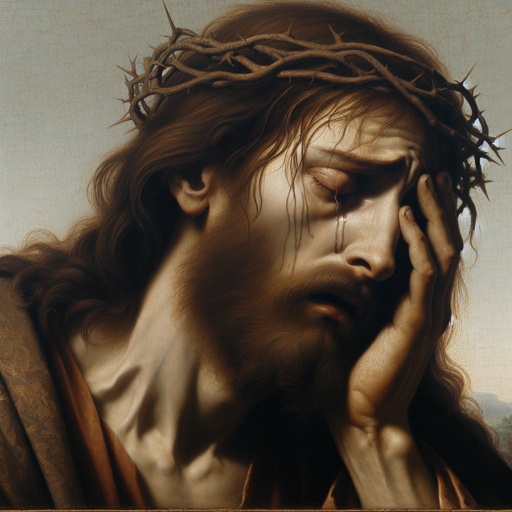
John (11:35) Jesus wept.