The Greater Good: Sacrifice for Salvation
“Nor consider that it is expedient for us, that one man should die for the people, and that the whole nation perish not.” — John 11:50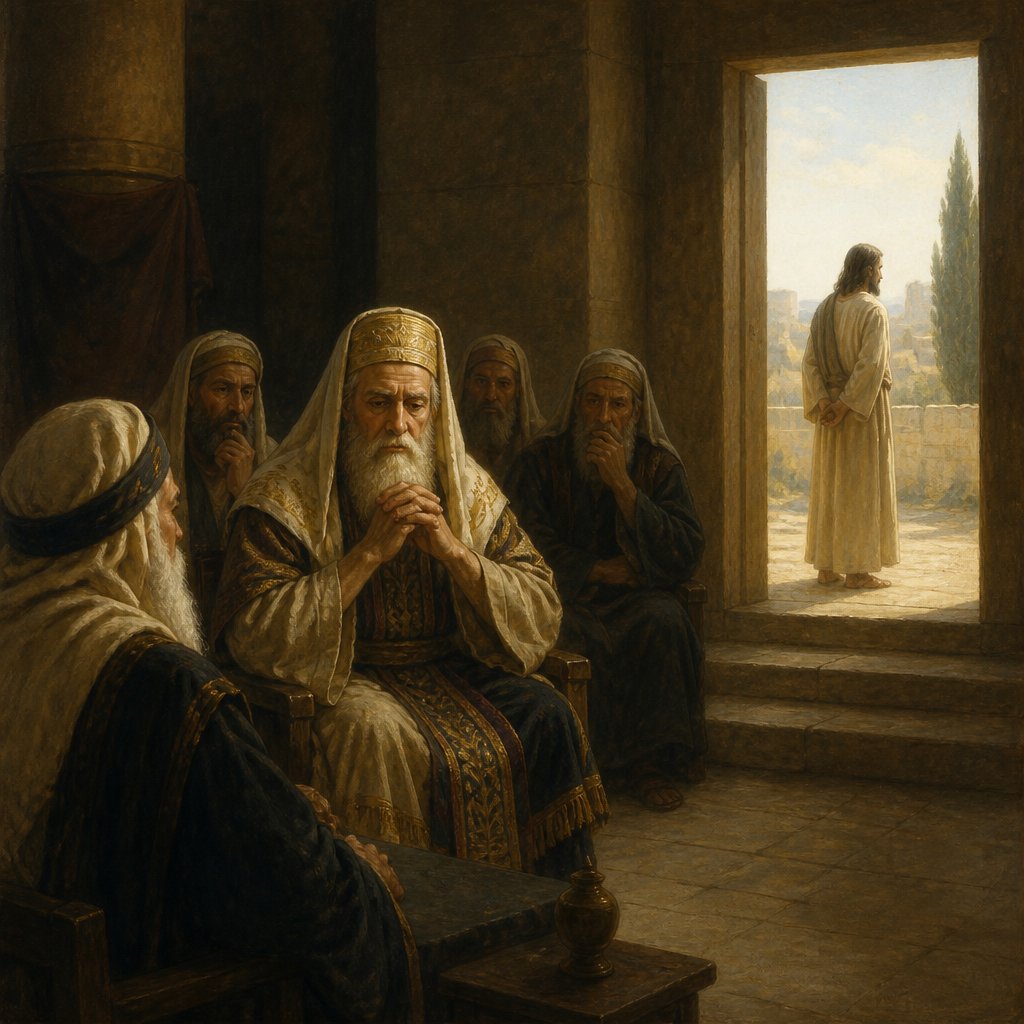
The words spoken by Caiaphas in John 11:50, "Nor consider that it is expedient for us, that one man should die for the people, and that the whole nation perish not," echo profound theological truths about sacrifice, the nature of leadership, and divine providence. This statement, borne out of political calculation, unveils layers of meaning that resonate deeply with our Christian faith.
In this passage, Caiaphas, the high priest, reflects a sentiment that appears to embrace the value of sacrifice for the greater good. Although his motives were ultimately self-serving, driven by fear of losing status and control, the prophecy he unknowingly articulated opens the door to understanding God’s divine plan for humanity through Christ’s ultimate sacrifice.
To fully appreciate the significance of Caiaphas’s words, we must consider what it means for one to die for many. The sacrificial system established within the Mosaic Law focused on animal sacrifices that would atone for the sins of the people, but these were temporal and incomplete. The blood of goats and bulls served as a covering but not as a true solution to the sinful condition of mankind. Caiaphas unwittingly stood at the precipice of heavenly revelation, bespeaking the truth that a single, perfect sacrifice was necessary to fulfill the requirements of divine justice and grace.
The enormity of Christ’s sacrifice cannot be overstated. He embodies the lamb of God, prophesied throughout the Old Testament, who would take away the sins of the world (John 1:29). Jesus, the ultimate high priest, would lay down His life as the once-and-for-all atonement, not only for Israel but for all of humanity. In choosing to experience death, He bore the weight of our collective sin, thus ensuring that we would not perish but have everlasting life (John 3:16). The crucifixion of Christ, while tragic and filled with suffering, reveals the depths of God’s love and the severity of sin.
Furthermore, the word "expedient" holds a significant connotation that extends beyond mere practicality. It challenges us to reflect on what it means to consider actions that may be uncomfortable or counterintuitive in light of our spiritual responsibilities. As followers of Christ, we too are called to consider the greater good of the Kingdom. In our daily lives, we must sometimes sacrifice our own desires, ambitions, and comforts for the sake of others. This selflessness echoes the heart of Christ’s teachings and actions.
Caiaphas’s quote urges us to grapple with the concept of leadership, service, and the moral choices that influence the trajectory of those we lead. Just as he orchestrated a plan based on circumstantial urgency, we are often faced with critical decisions where we must weigh our personal gain against the welfare of our community. Will we choose the path that preserves our status, or will we step forward into the uncomfortable territory of advocating for love, compassion, and justice?
The request for Christ’s death underscores a truth we must wrestle with: the willingness to accept suffering for the sake of others. Philippians 2:5-8 reminds us, "Let this mind be in you, which was also in Christ Jesus: Who, being in the form of God, thought it not robbery to be equal with God: But made himself of no reputation, and took upon him the form of a servant...he humbled himself, and became obedient unto death, even the death of the cross." As we meditate on this powerful call to sacrificial love, may we respond with a renewed commitment to honor Christ’s example in our own lives, recognizing that every act of kindness, every choice for justice, and every moment of vulnerability is a reflection of His unwavering love.
In conclusion, Caiaphas’s inadvertent proclamation serves as a reminder of the profound heights of God’s wisdom and the depths of His love for us. May we embrace the calling to live sacrificially, not only accepting Christ’s gift of salvation but also sharing that love and light with a world in desperate need of hope. Let us repeatedly consider the essence of this sacrifice, allowing it to guide our actions, thoughts, and prayers as we walk in the footsteps of our Savior.
Get our apps


Artwork for John 11:50

John 11:50 - "Nor consider that it is expedient for us, that one man should die for the people, and that the whole nation perish not."
"Nor consider that it is expedient for us, that one man should die for the people, and that the whole nation perish not." - John 11:50

John 8:50 - "And I seek not mine own glory: there is one that seeketh and judgeth."

John 7:50 - "Nicodemus saith unto them, (he that came to Jesus by night, being one of them,)"

John 6:50 - "This is the bread which cometh down from heaven, that a man may eat thereof, and not die."

Psalms 50:11 - "I know all the fowls of the mountains: and the wild beasts of the field are mine."

Luke 11:50 - "That the blood of all the prophets, which was shed from the foundation of the world, may be required of this generation;"

John 12:50 - "And I know that his commandment is life everlasting: whatsoever I speak therefore, even as the Father said unto me, so I speak."
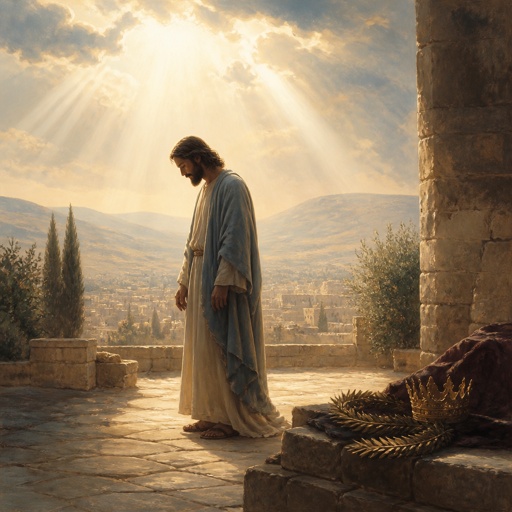
"And I seek not mine own glory: there is one that seeketh and judgeth." - John 8:50

John 6:50 - "This is the bread which cometh down from heaven, that a man may eat thereof, and not die."

John 6:50 - "This is the bread which cometh down from heaven, that a man may eat thereof, and not die."

John 4:50 - "Jesus saith unto him, Go thy way; thy son liveth. And the man believed the word that Jesus had spoken unto him, and he went his way."
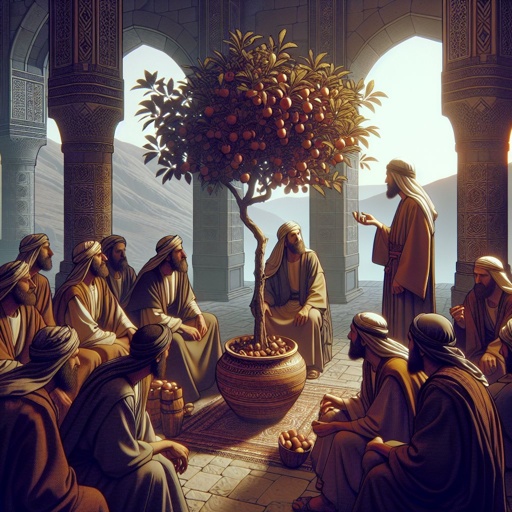
John 1:50 - "Jesus answered and said unto him, Because I said unto thee, I saw thee under the fig tree, believest thou? thou shalt see greater things than these."

"This is the bread which cometh down from heaven, that a man may eat thereof, and not die." - John 6:50
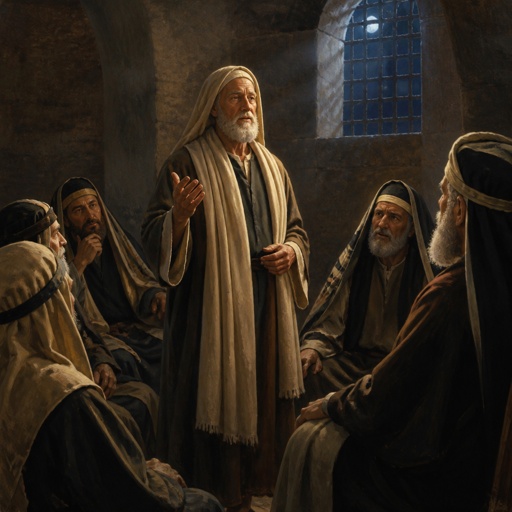
"Nicodemus saith unto them, (he that came to Jesus by night, being one of them,)" - John 7:50

Jeremiah 50:11 - "Because ye were glad, because ye rejoiced, O ye destroyers of mine heritage, because ye are grown fat as the heifer at grass, and bellow as bulls;"

"I know all the fowls of the mountains: and the wild beasts of the field are mine." - Psalms 50:11

Psalm 50:10-11 - "For every beast of the forest is mine, and the cattle upon a thousand hills. I know all the fowls of the mountains: and the wild beasts of the field are mine."

Genesis 50:11 - "And when the inhabitants of the land, the Canaanites, saw the mourning in the floor of Atad, they said, This is a grievous mourning to the Egyptians: wherefore the name of it was called Abel-mizraim, which is beyond Jordan."

John (11:35) Jesus wept.

"That the blood of all the prophets, which was shed from the foundation of the world, may be required of this generation;" - Luke 11:50

John (11:35) Jesus wept.

John (11:35) Jesus wept.

John 11:35

John 15.1-11

John 11:35

John (11:35) Jesus wept.

John (11:35) Jesus wept.

John (11:35) Jesus wept.

John (11:35) Jesus wept.